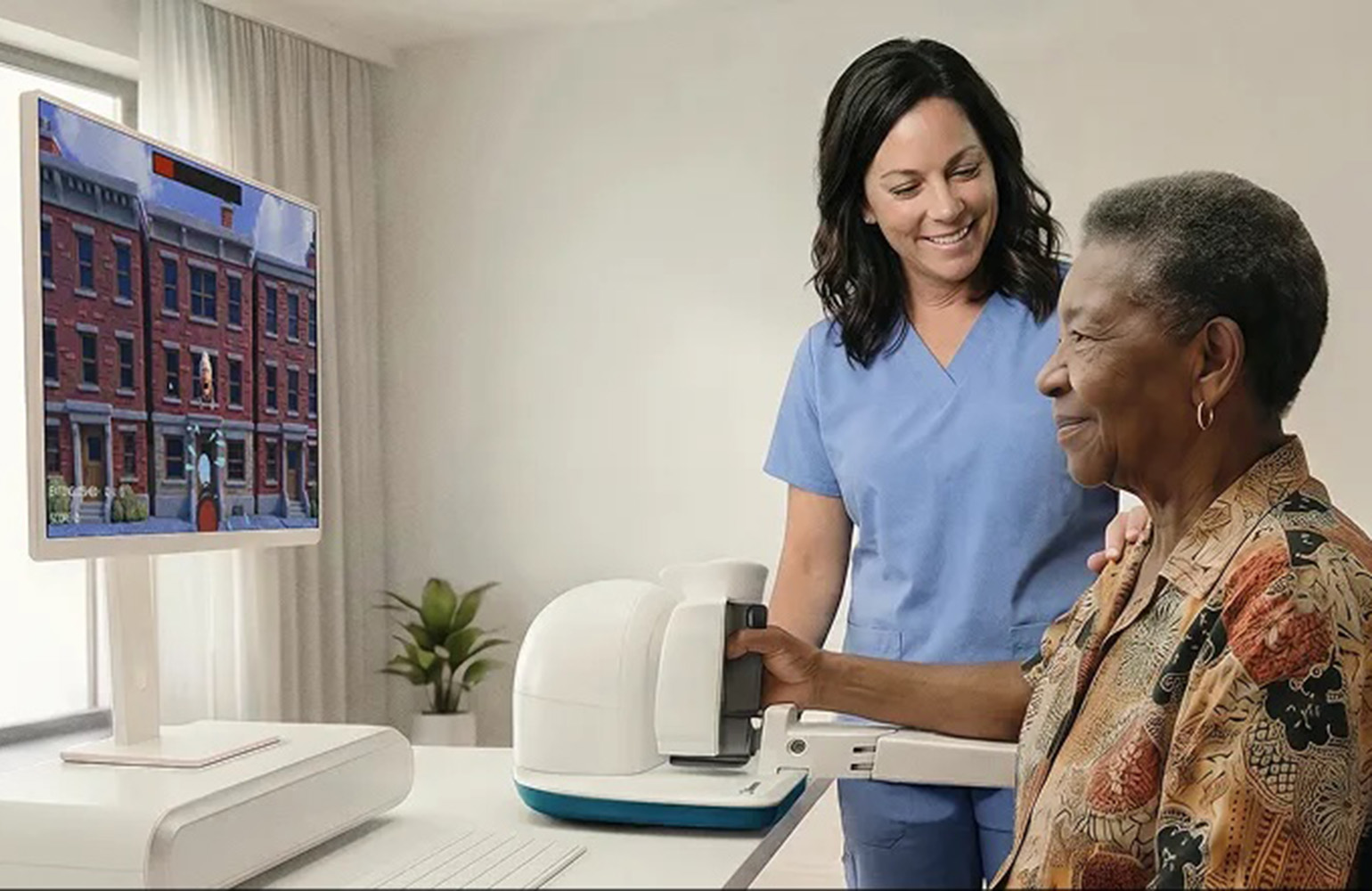
How robotics is revolutionizing stroke rehabilitation
Bioxtreme’s Plaxtreme system used Error Augmentation-based technology for upper limb rehabilitation. | Source: Bioxtreme Someone in the U.S. experiences a stroke every 40 seconds. For many survivors, the rehabilitation journey is extremely long and defined by physical limitations, inconsistent access to therapy, and the challenge of rebuilding neural pathways that have been disrupted or damaged. A new generation of technology that is revolutionizing stroke recovery is now augmenting tradit
Get smart on it
Robotic rehabilitation systems are technology tools that help stroke survivors recover motor function by guiding them through controlled, repetitive movements and providing real-time feedback. These systems matter because stroke recovery traditionally faces challenges with inconsistent access to therapy and difficulty rebuilding neural pathways, while robots can provide intensive, personalized treatment both in clinical settings and at home. The systems use techniques like error augmentation, which intentionally amplifies movement mistakes so the brain learns to correct them more effectively, and AI algorithms that adjust therapy in real time based on each patient's individual progress and needs. As healthcare systems struggle with rising demand for neurological care and resource shortages, robotic rehabilitation is emerging as a way to extend treatment access beyond hospitals and clinics, particularly for patients in rural or underserved areas with transportation or geographic barriers to traditional therapy.
Related news
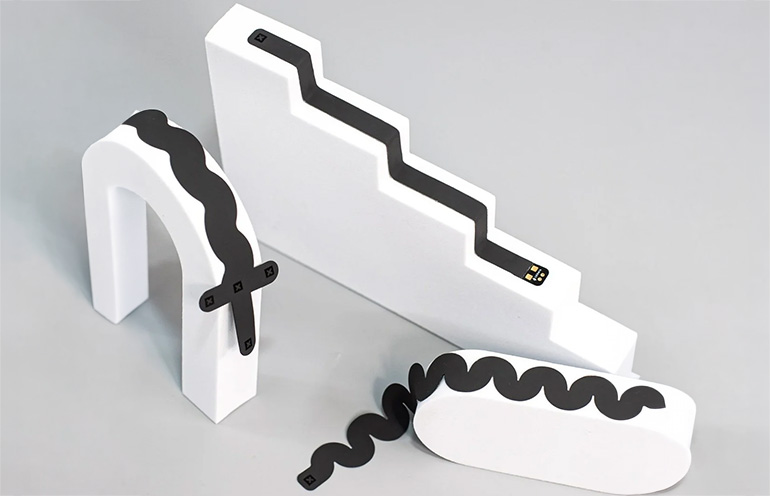
Unichem acquires Loomia to accelerate entry into the humanoid ‘skin’ market
Loomia’s Smart Skin Tactile Sensing Dev Kit includes both capacitive and force-sensitive resistor sensors. Source: Loomia Sensing “skin” is among the technologies in development around physical AI including humanoid robots. Materials company Uni-Chem Co. this month acquired Loomia Technologies Inc. to enter the market for “electronic skin” for humanoids, as well as the market for interior materials for smart mobility. Flexible electronics maker Loomia previously par
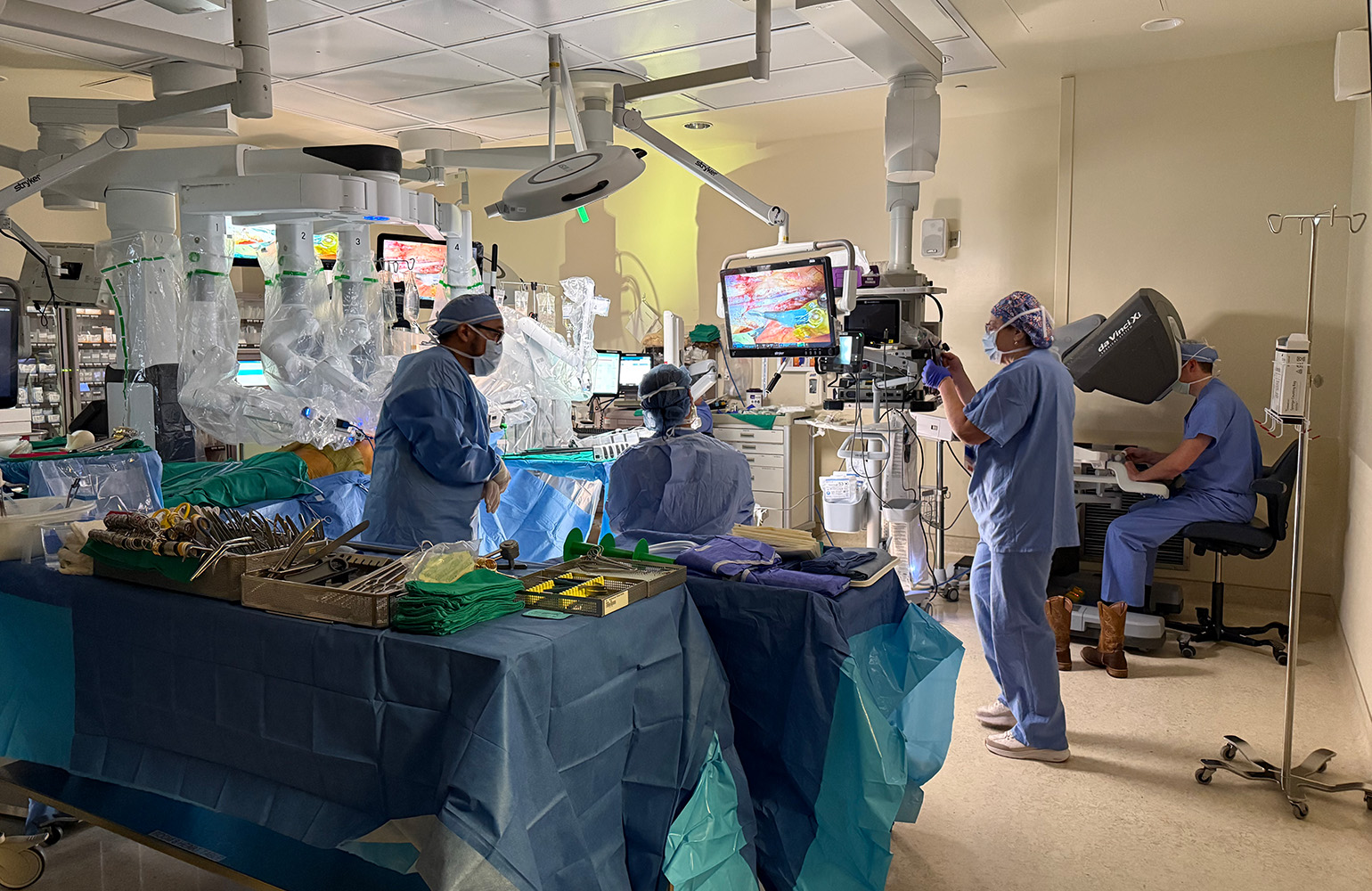
Surgeons use da Vinci surgical robot to perform common cardiac surgery
Surgeons at El Camino Health Heart and Vascular Institute prepare for surgery. | Source: El Camino Health Heart and Vascular Institute Coronary artery bypass grafting, or CABG, is the most common type of cardiac surgery in the world. Despite this, and the heavily invasive nature of the surgery, only 1% of these procedures are performed with the help of robots. At the El Camino Health Heart and Vascular Institute (HVI), surgeons are now performing CABG with Intuitive Surgical‘s da Vinci rob