How robotics and physical AI can responsibly tackle key physical security challenges
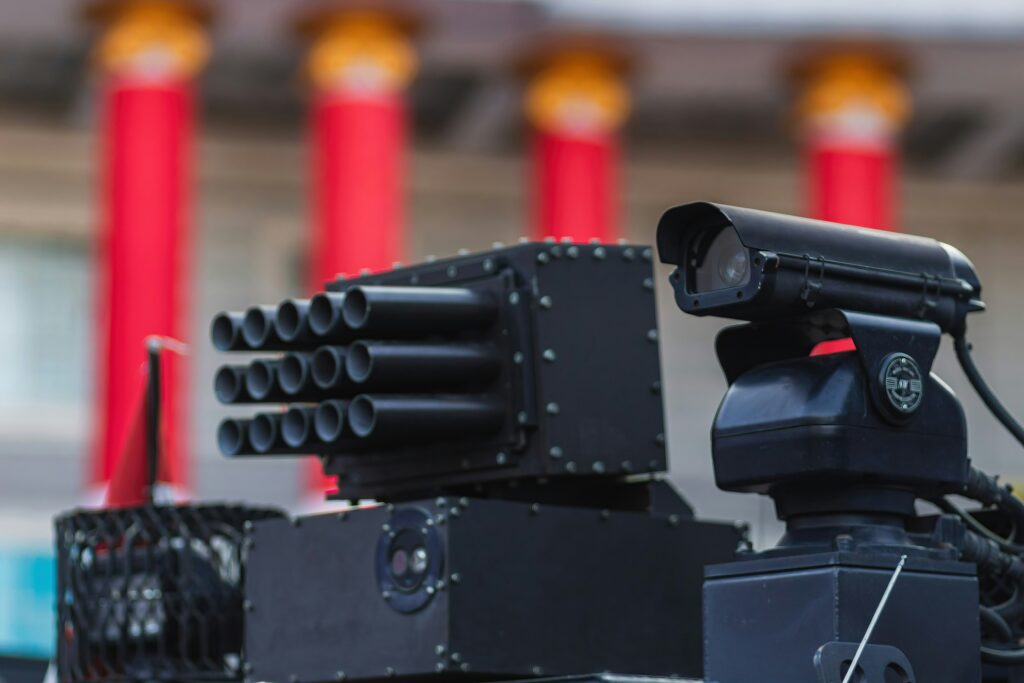
Security sensors in Yogyakarta, Indonesia. Credit: Krisna Azie, Unsplash Robotics and artificial intelligence are deeply intertwined technologies. Where the former serves as the “body,” the latter provides the “brain,” with organizations continuing to develop the technology from traditionally rigid machinery into smart, adaptive agents designed to enhance productivity and operational efficiency. In particular, the evolving sector of physical security can benefit from the
Get smart on it
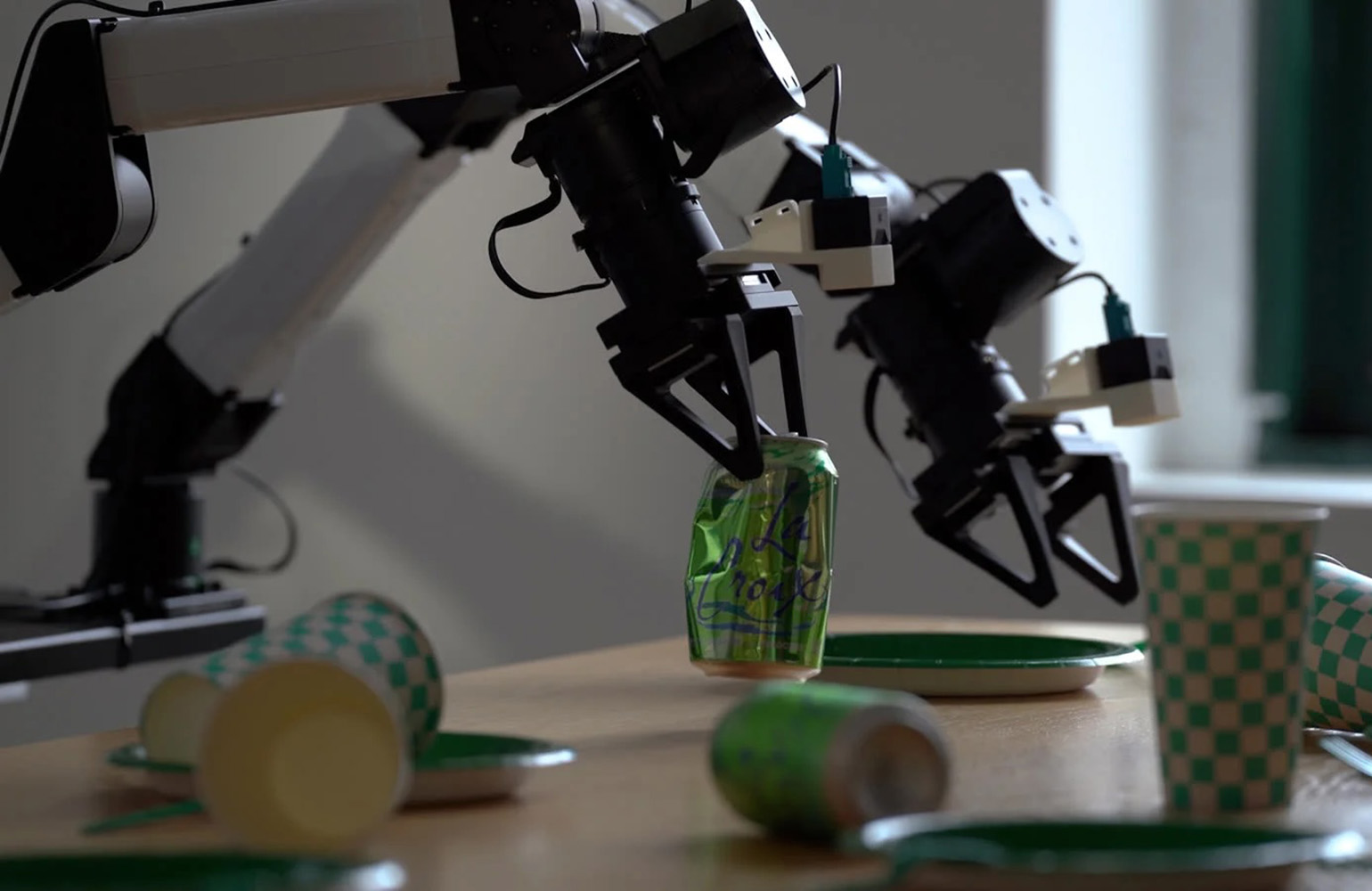
Robotics equipped with physical AI, where robots act as the "body" and AI provides the "brain," are being developed to address physical security challenges for critical infrastructure like data centers and manufacturing plants. Organizations face growing security risks from cyber-physical convergence, legacy technology constraints, and global volatility, where connected security systems can be vulnerable if attackers compromise central platforms. Physical AI and robotics can help by using adaptive smart sensors and machine learning to detect anomalies and threats proactively rather than just reacting to incidents, with capabilities including integration with existing systems, pattern recognition from large volumes of data, and continuous learning against evolving threats. These technologies are already deployed in hospitals, shopping malls, and education campuses worldwide and are expected to form a frontline layer in creating comprehensive, responsive security strategies.
Related news
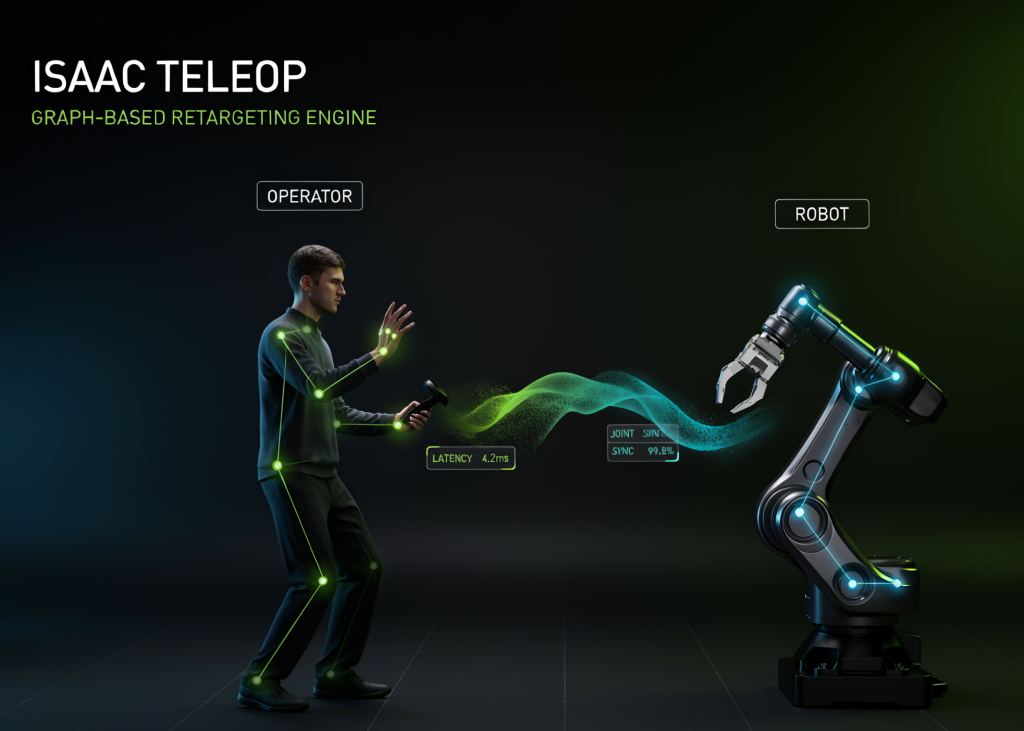
Inside NVIDIA’s IsaacTeleop: From Hand and Controller Tracking to Robot Actions with the Graph-Based Retargeting Engine
In this tutorial, we work through the retargeting engine at the core of NVIDIA IsaacTeleop, the framework that turns XR hand tracking and motion-controller input into commands for simulated and real robots. Rather than plugging in a headset, we build every input ourselves in NumPy, so each step runs on a plain Colab CPU and prints what it computes. We start with the type system every node speaks, generate synthetic hand and controller data, write our own retargeter with live-tunable parameters,
The physical AI race will be won in the patent office
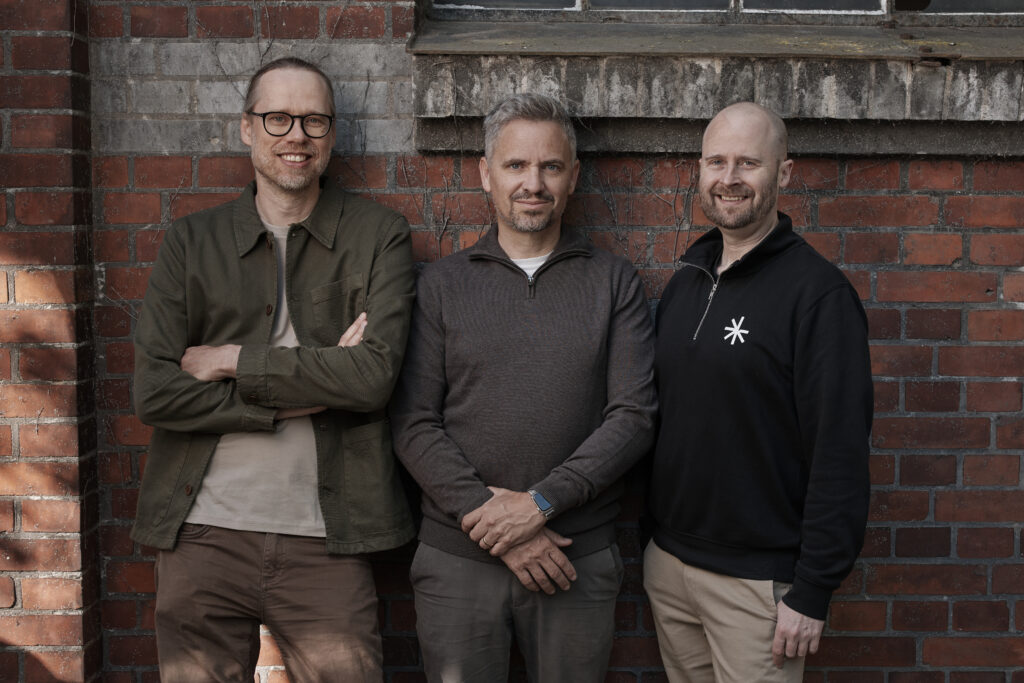
Lightbringer’s co-founders and board members, from left: CTO Markus Andreasson, CEO Dominic Davies, and CCO Ola Wassvik. Source: Lightbringer Developments in AI, machine learning, and automation have given robots capabilities that would have seemed extraordinary a decade ago. As competition intensifies, the physical AI race is becoming less likely to be won by whoever builds the best robot, and more likely to be won by whoever owns the technology that determines its behavior. This is a par