How Integrated Actuators Improve Humanoid Robot Joint Performance and System Integration
Humanoid robots have become an important area of research in robotics, attracting attention from universities, research institutions, and technology companies. Compared with traditional industrial robots that usually perform repetitive tasks in controlled environments, humanoid robots are designed to operate in more complex scenarios where balance, flexibility, and interaction capabilities are required. To achieve human-like movements, humanoid robots need dozens of joints working together, incl
Get smart on it
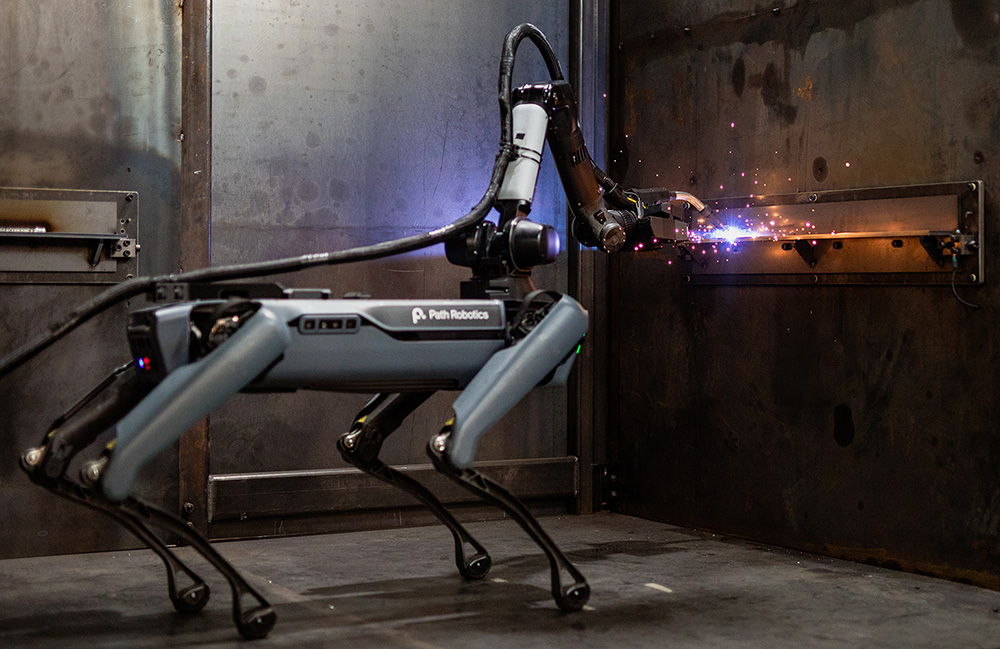
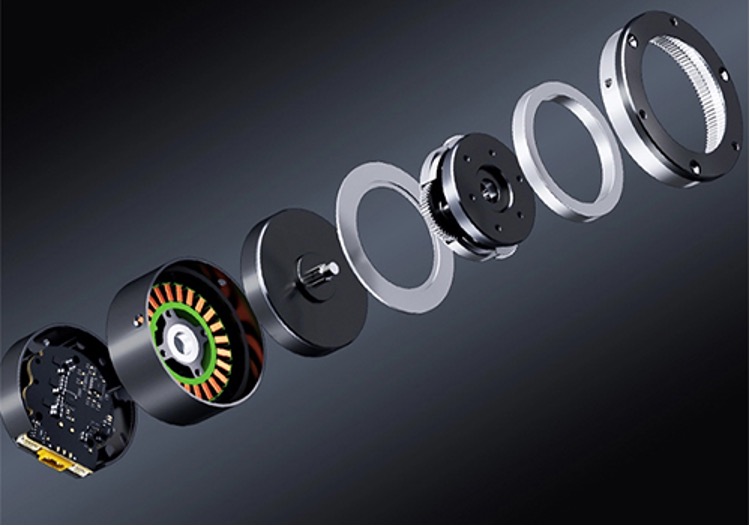
Humanoid robots need many joints throughout their bodies to move like humans, and each joint requires an actuator, which is the component that converts electrical energy into controlled mechanical motion. Designing actuators for humanoid robots is challenging because they must provide sufficient power while remaining compact and lightweight, maintain precise control for dynamic movements like walking and balancing, and simplify system integration by combining multiple separate components into single modules. Integrated actuators combine the motor, gearbox, encoder, and control electronics into one compact unit, which reduces assembly complexity, wiring requirements, and the overall weight of the robot while improving consistency across different joints. This approach matters because lighter robots require less energy and place lower mechanical loads on structures, yet still need enough torque and control accuracy to handle dynamic movements.
Related news

Experts look ahead at the next 20 years of robotics at RoboBusiness
From left to right: Rodney Brooks, Jonathan Hurst, and Ken Goldberg. Robotics has evolved from a promising technology into a critical business tool across manufacturing, logistics, healthcare, agriculture, defense, and beyond. At RoboBusiness 2026, which takes place Oct. 20 and 21 in Santa Clara, Calif., industry leaders will reflect on the breakthroughs that defined the past two decades. In the show’s opening keynote session, as RoboBusiness marks its 20th anniversary, leaders in robotics
Tacta Systems takes aim at high-skilled manufacturing work with TactaBot
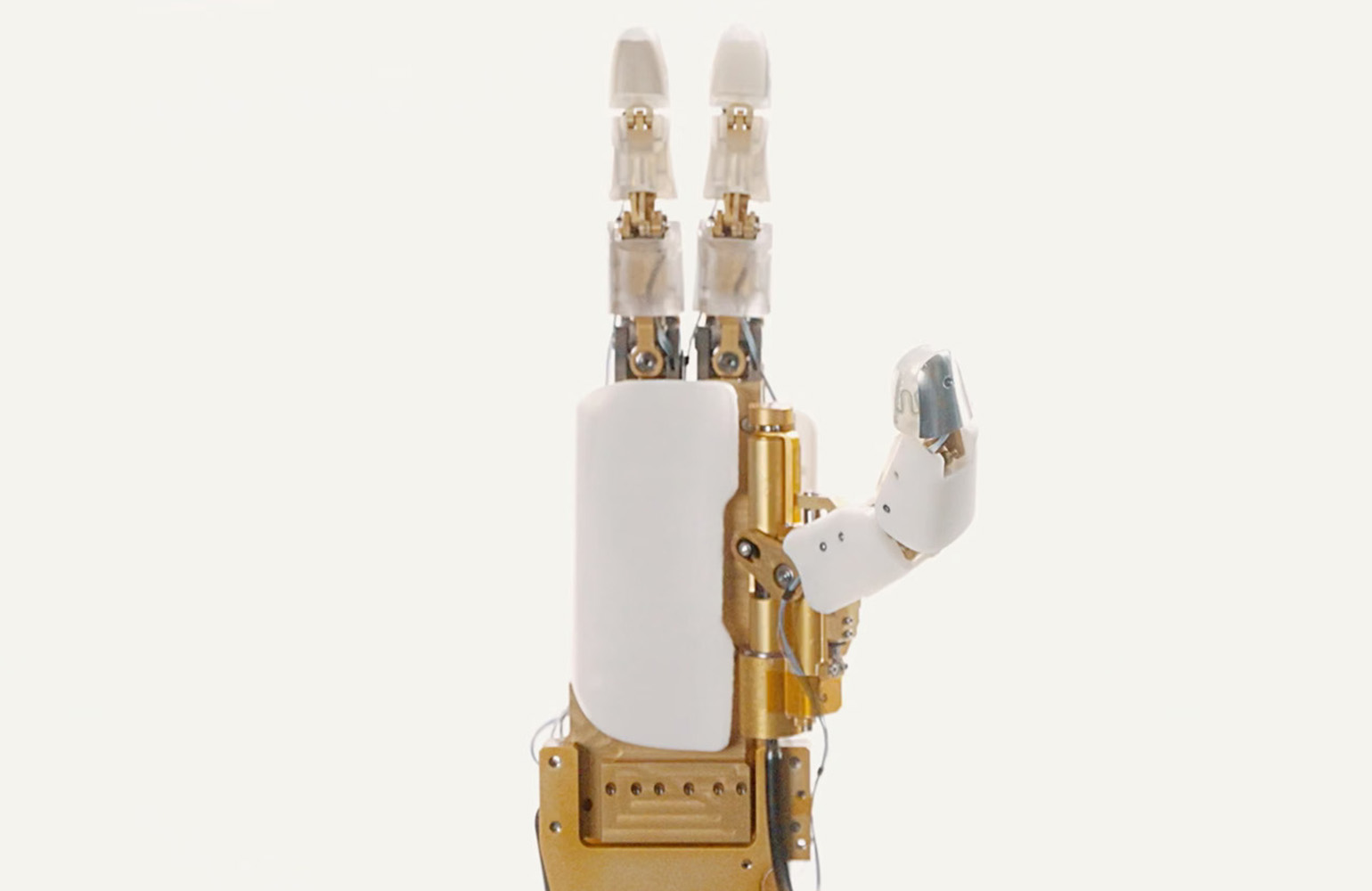
Tacta’s robotic hand comes in three- and five-finger configurations. | Source: Tacta Systems Tacta Systems last week launched the TactaBot, which includes the company’s Tacta Hand, Skill Capture system, and a Dexterous Intelligence AI model. These three components work together to create capable, scalable, and adaptable robotic hands for high-value work. “We have vison-only robots and a variety of different robots that do really good work today, which is moving objects and so on, but