How better grippers can unlock physical AI
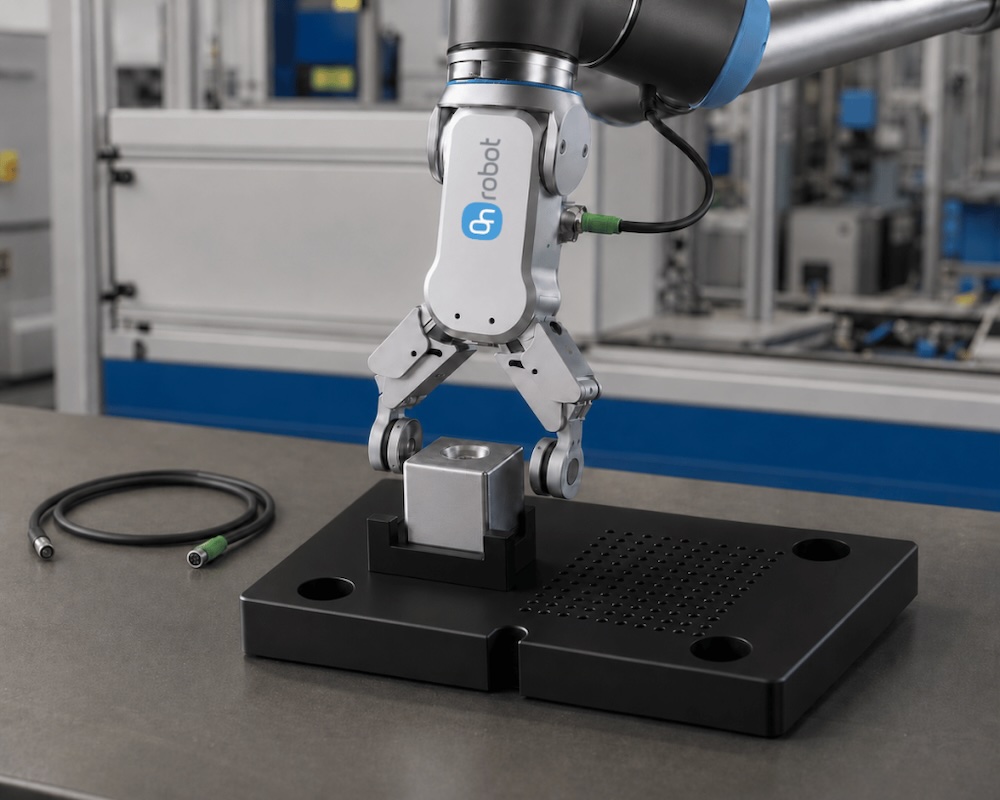
Models can generate actions, but hardware must execute those actions. | Credit: OnRoot Physical AI promises robots that can perceive, act and adapt in the real world with far less task-specific engineering than traditional automation. It’s a compelling proposition: robots powered by AI models trained on vast amounts of data, capable of improving over time and operating effectively in far less structured environments. But how do we get there? As AI systems move from the digital to the physical wo
Make your prediction
Will a major robotics company announce a gripper product line designed for physical AI models by October 2026?
Resolves by Oct 31, 2026
Your prediction
50% · 50/50 coin flip
NOYES
Get smart on it
Physical AI refers to robots that can perceive, act, and adapt in the real world with less task-specific engineering than traditional automation, but these intelligent systems depend on more than just software models. The grippers and end-of-arm tools that robots use to interact with physical objects are critical to whether AI models can actually execute their decisions reliably in unstructured environments. For physical AI to work effectively, these tools must handle real-world variation in parts and conditions, provide feedback through sensing during manipulation, capture contact data that complements vision and simulation, and offer flexibility to switch between different types of grippers for different tasks. This makes the hardware layer of manipulation as important to physical AI's success as the AI models themselves.
Related news
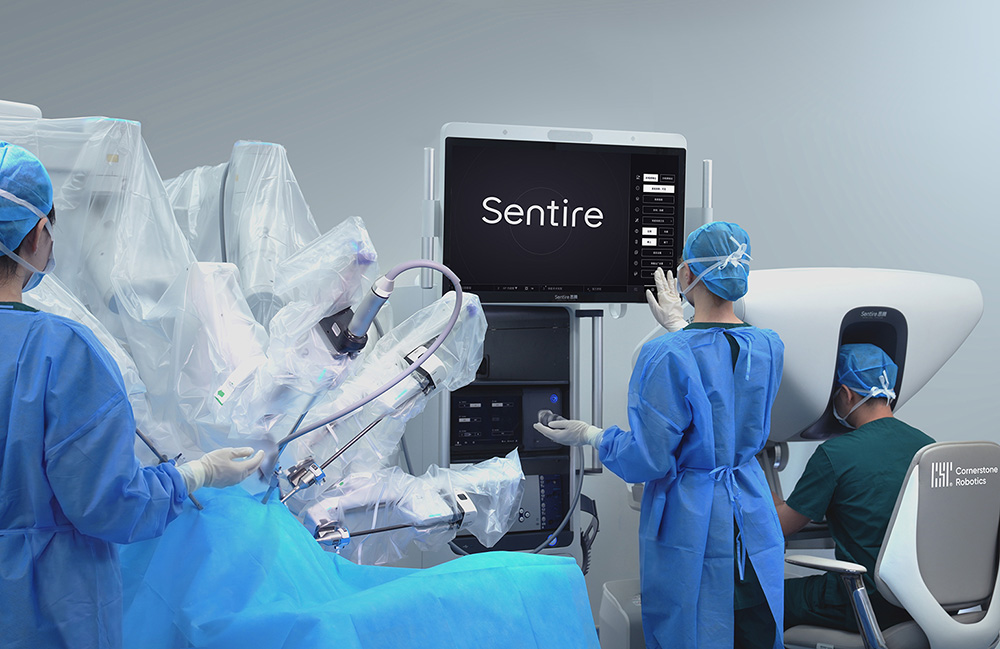
Medtronic invests $700M in surgical partner Cornerstone Robotics
Sentire combines clinical workflows with integrated engineering, software, and imaging technologies. | Source: Cornerstone Robotics Medtronic PLC today announced a new partnership with Cornerstone Robotics Ltd. that includes a $700 million investment. Medtronic has also gained the rights to distribute Cornerstone Robotics’ Sentire surgical system in select markets outside the U.S. where the system is approved. Medtronic will distribute Sentire alongside its own Hugo robotic-assisted surger
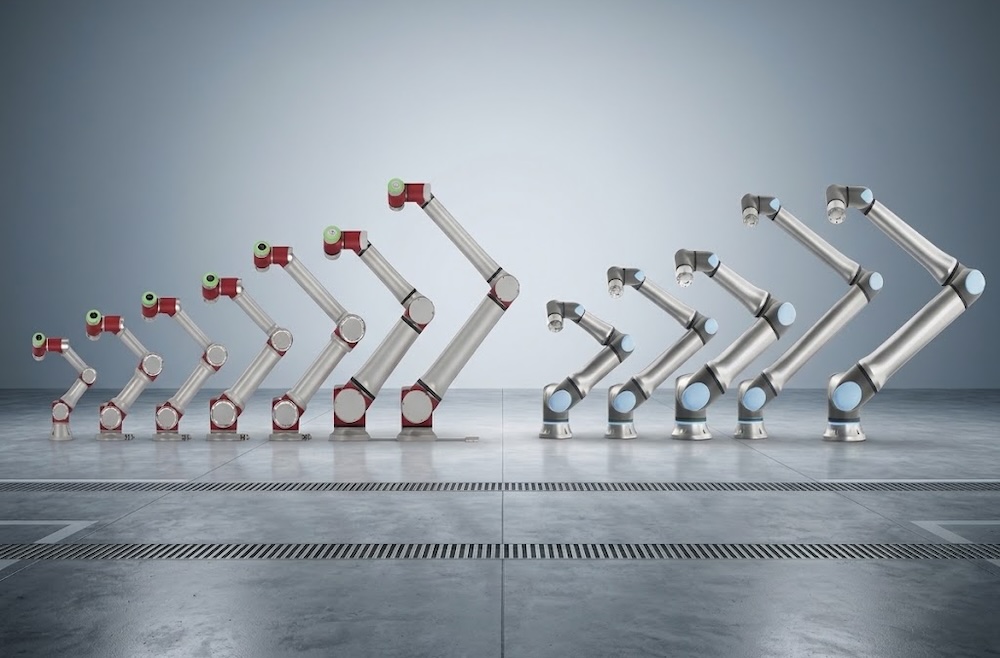
JAKA hits Teradyne Robotics back over patent dispute
Collaborative robot arms from JAKA Robotics (left) and Universal Robots. Get the popcorn ready. The patent fight between Teradyne Robotics and JAKA Robotics has turned into a full-blown public brawl. Teradyne, parent company of Universal Robots, sued JAKA’s German subsidiary last week, alleging infringement of patents covering hardware and software used in its cobot arms. Today, JAKA hit back, saying it has gone to court seeking injunctive relief over what it calls Teradyne’s “false, misleading,