Generalist’s GEN-1 foundation model now supports a range of robot end effectors
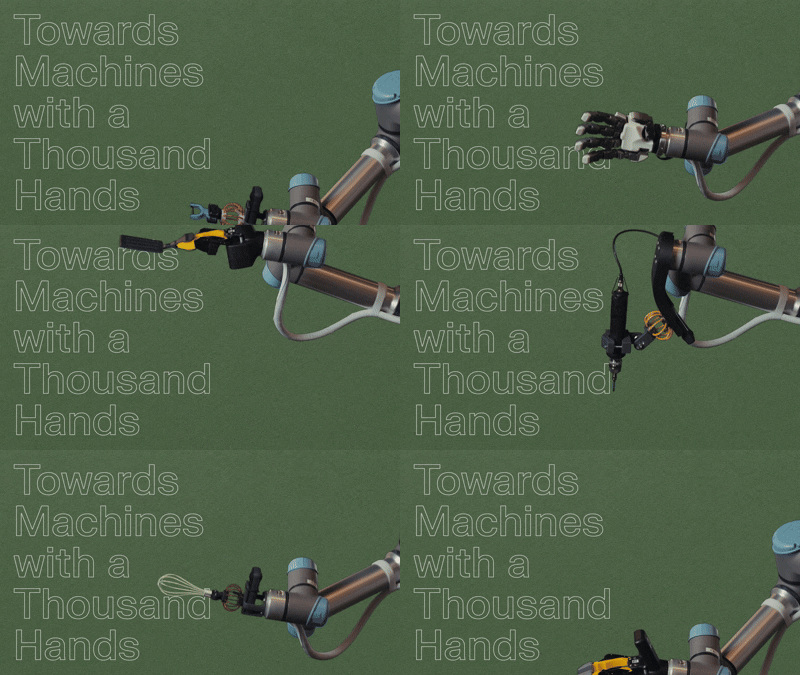
Generalist’s latest embodied foundation model, GEN-1, now supports a broad range of robot end effectors. The company said GEN-1 is compatible with five-fingered hands to specialized tools with new modes of actuation and everything in between. By training GEN-1 to work with these new hands, Generalist said it is demonstrating that a single base AI model can learn sensorimotor policies on robots that transfer across radically different ways of interacting with the physical world. Below, the
Get smart on it
A foundation model for robotics has been updated to work with many different types of robot hands and tools, from five-fingered hands to specialized equipment with various actuation methods. The model was trained on over half a million hours of real interaction data across approximately 9,000 variations of end effectors, exposing it to a broad range of contact physics and different ways of interacting with the physical world. By learning across many different hands and tools, the model develops universal physical understanding that transfers to new end effectors, allowing it to recognize which tool is attached and adapt its behavior mid-task when end effectors are switched. This approach mirrors how training language models on multiple languages produces more capable systems, with the model learning what is universal about physics versus what is specific to each tool.
Related news
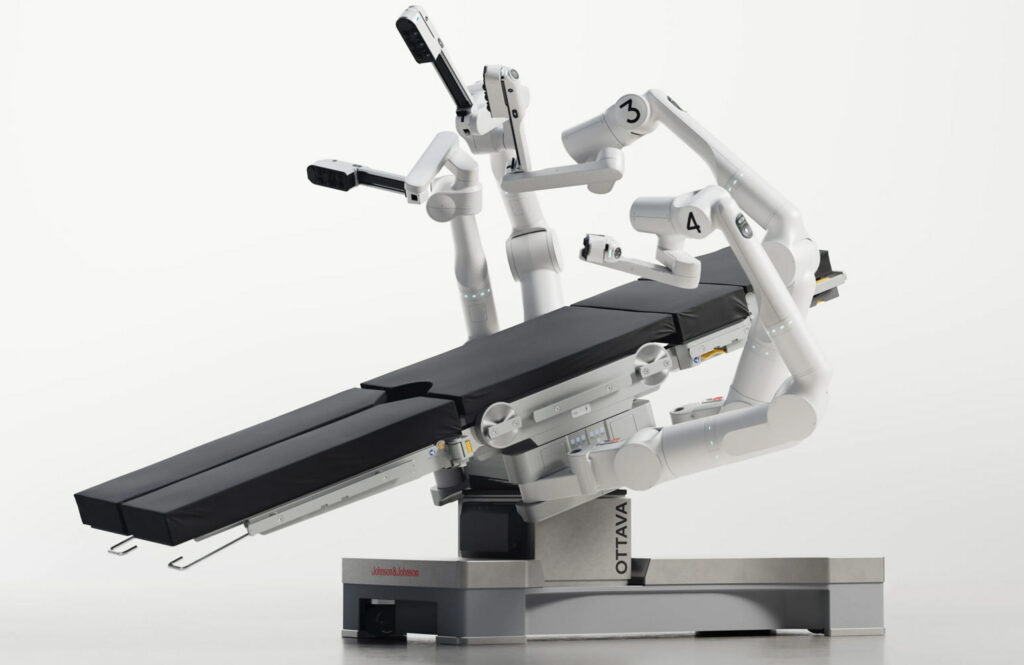
Photos: First look at J&J’s Ottava surgical robot
Johnson & Johnson’s Ottava surgical robot has four robotic arms that come out from underneath the operating table. Photo credit: Johnson & Johnson Johnson & Johnson MedTech unveiled its long-awaited Ottava surgical robot after winning FDA de novo authorization. It’s the world’s first table-integrated, soft-tissue robotics system. The robot-in-table design is meant to save space in the operating room, with J&J saying its novel architecture takes up 30-50% less space tha

How time series databases unlock real-time data for robotics
The Robot Report Podcast · Unlocking the Power of Time Series Databases for Industrial and Robotic Systems In Episode 254 of The Robot Report Podcast, we talk to Doug Pagnutti, developer advocate at Tiger Data. He discusses how time series databases like TimescaleDB are improving industrial automation, robotics, and AI applications. He shares insights about integrating these databases with various sensors, managing data at scale, and optimizing performance both on the cloud and on the edge. Dou