From 14 cities to 15,000: What it will take to scale robotaxis?
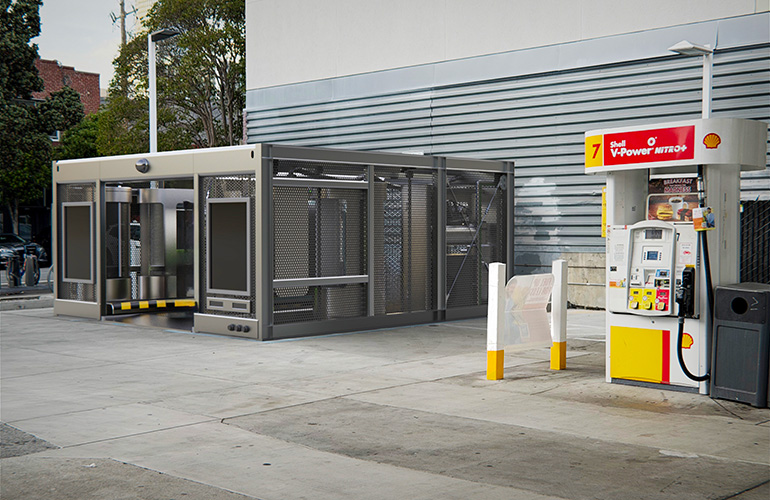
In the future, robotaxis will have cleaning and reset stations available throughout their operational territory. | Credit: Aseon Labs Robotaxis are proven. Waymo has logged more than 220 million autonomous miles and, by its own count, has more than 94% fewer serious injury crashes than human drivers. It gives around half a million paid rides a week and is expanding to more cities. So the question has moved from “Does this work?” to “How does this get everywhere?” Waymo is in 14 cities. Uber is i
Get smart on it
Robotaxis currently operate in only 14 cities, but scaling to thousands of cities requires solving a problem that receives almost no funding: the infrastructure needed between rides. When a robotaxi finishes a passenger trip, it must drive empty to a depot for cleaning, charging, and inspection, a process that takes roughly two hours and means only 54% of miles carry passengers. Scaling this model faces three obstacles: industrial land suitable for depots is scarce and expensive as data center developers outbid robotaxi operators, regulatory timelines for electrical infrastructure can stretch years to decades per city, and every city has different requirements that prevent standardized depot designs. The solution requires standardized servicing infrastructure, similar to how shipping containers unified global ports, that can deploy quickly and serve any autonomous vehicle fleet in any city.
Related news
How robotics and physical AI can responsibly tackle key physical security challenges
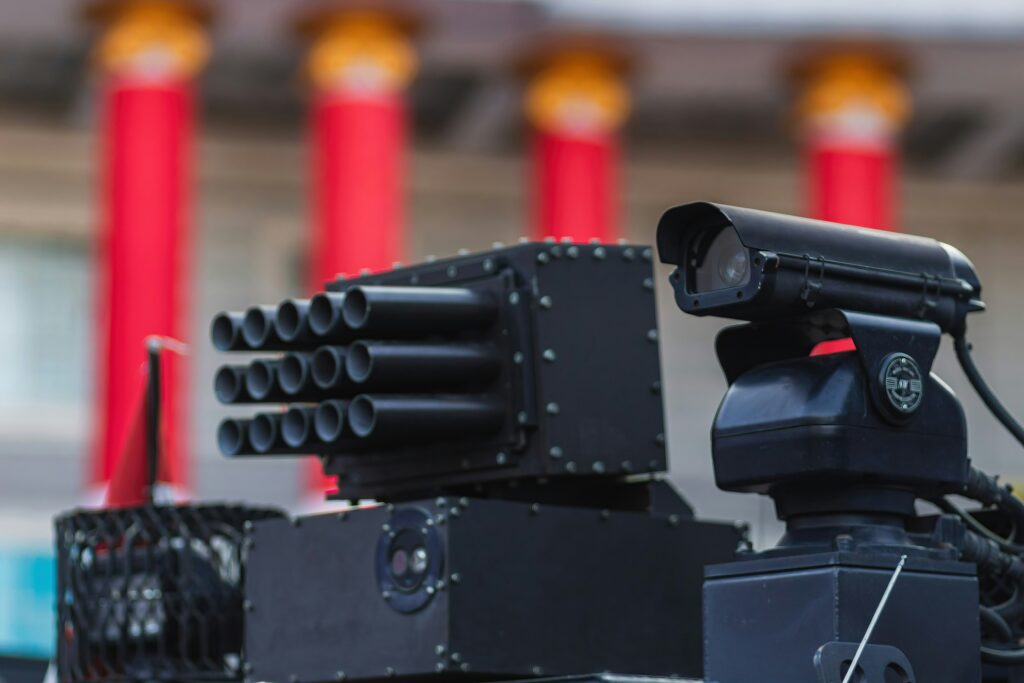
Security sensors in Yogyakarta, Indonesia. Credit: Krisna Azie, Unsplash Robotics and artificial intelligence are deeply intertwined technologies. Where the former serves as the “body,” the latter provides the “brain,” with organizations continuing to develop the technology from traditionally rigid machinery into smart, adaptive agents designed to enhance productivity and operational efficiency. In particular, the evolving sector of physical security can benefit from the
Inside NVIDIA’s IsaacTeleop: From Hand and Controller Tracking to Robot Actions with the Graph-Based Retargeting Engine
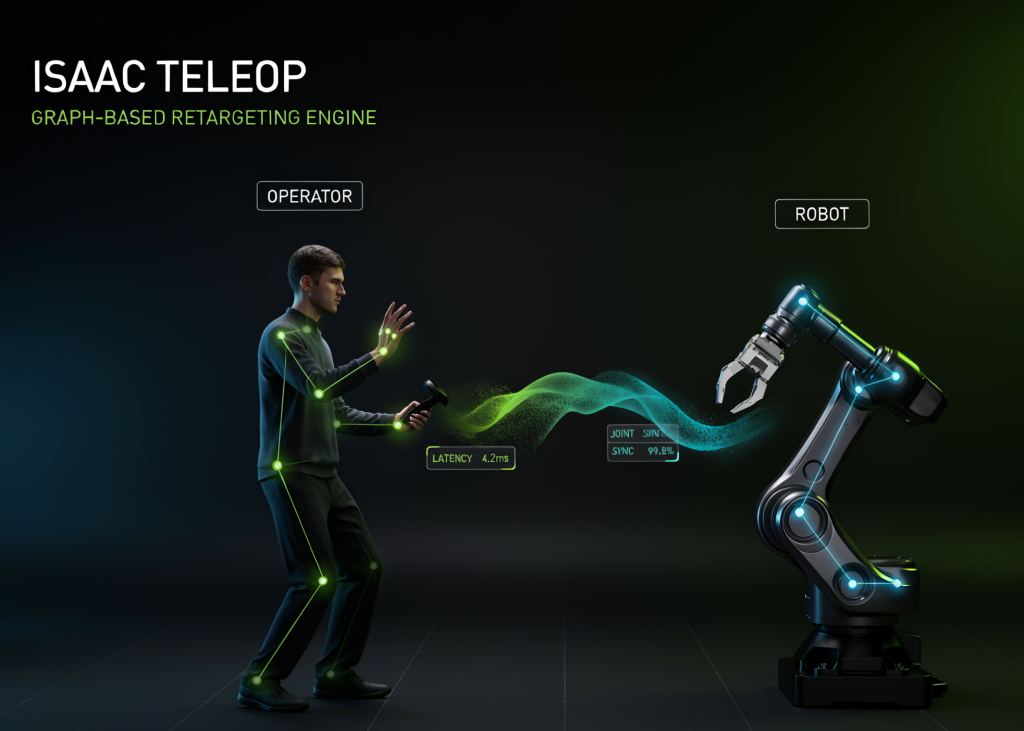
In this tutorial, we work through the retargeting engine at the core of NVIDIA IsaacTeleop, the framework that turns XR hand tracking and motion-controller input into commands for simulated and real robots. Rather than plugging in a headset, we build every input ourselves in NumPy, so each step runs on a plain Colab CPU and prints what it computes. We start with the type system every node speaks, generate synthetic hand and controller data, write our own retargeter with live-tunable parameters,