ForceN to give a crash course on force and torque sensing for humanoids at RoboBusiness
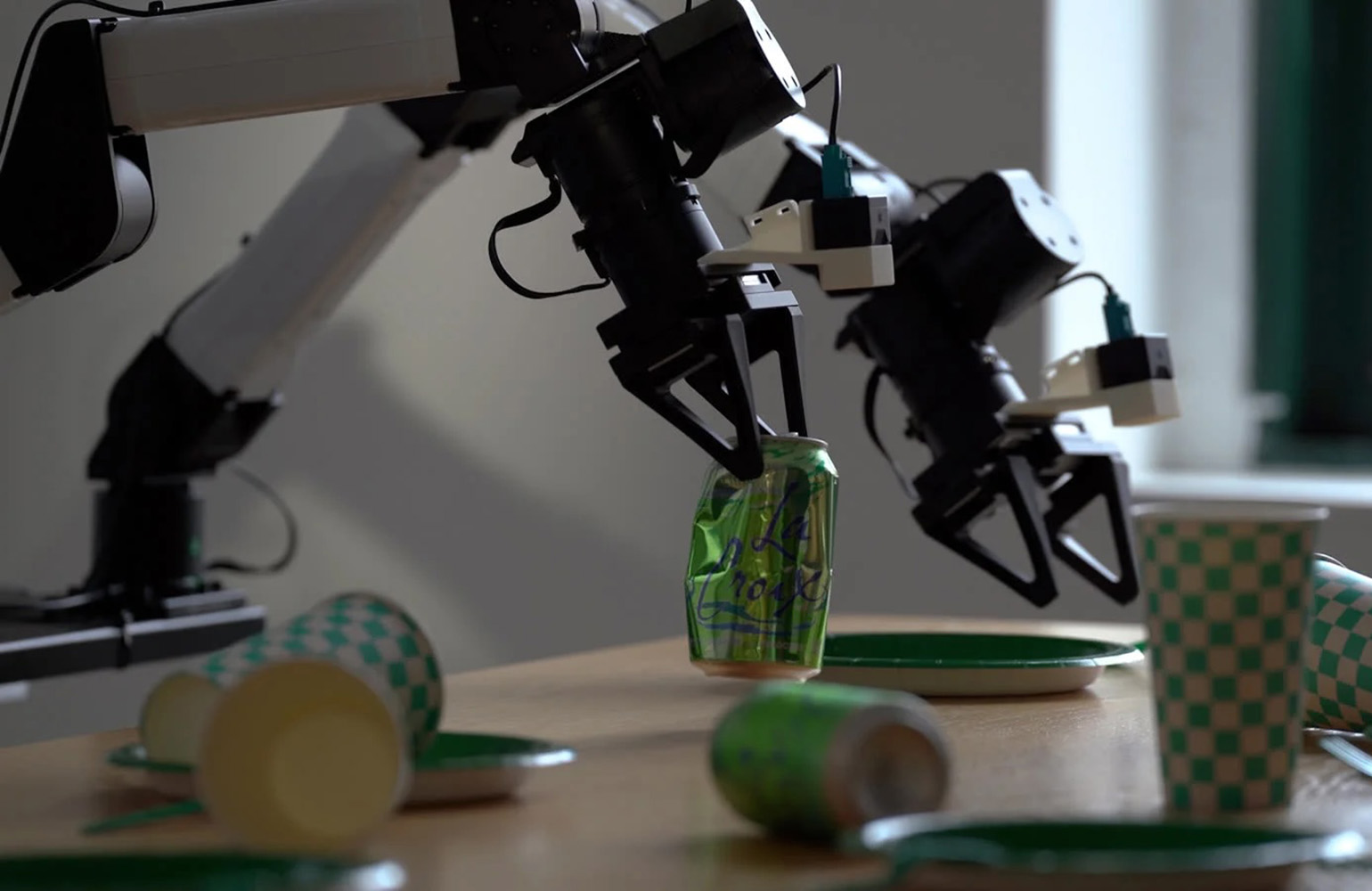
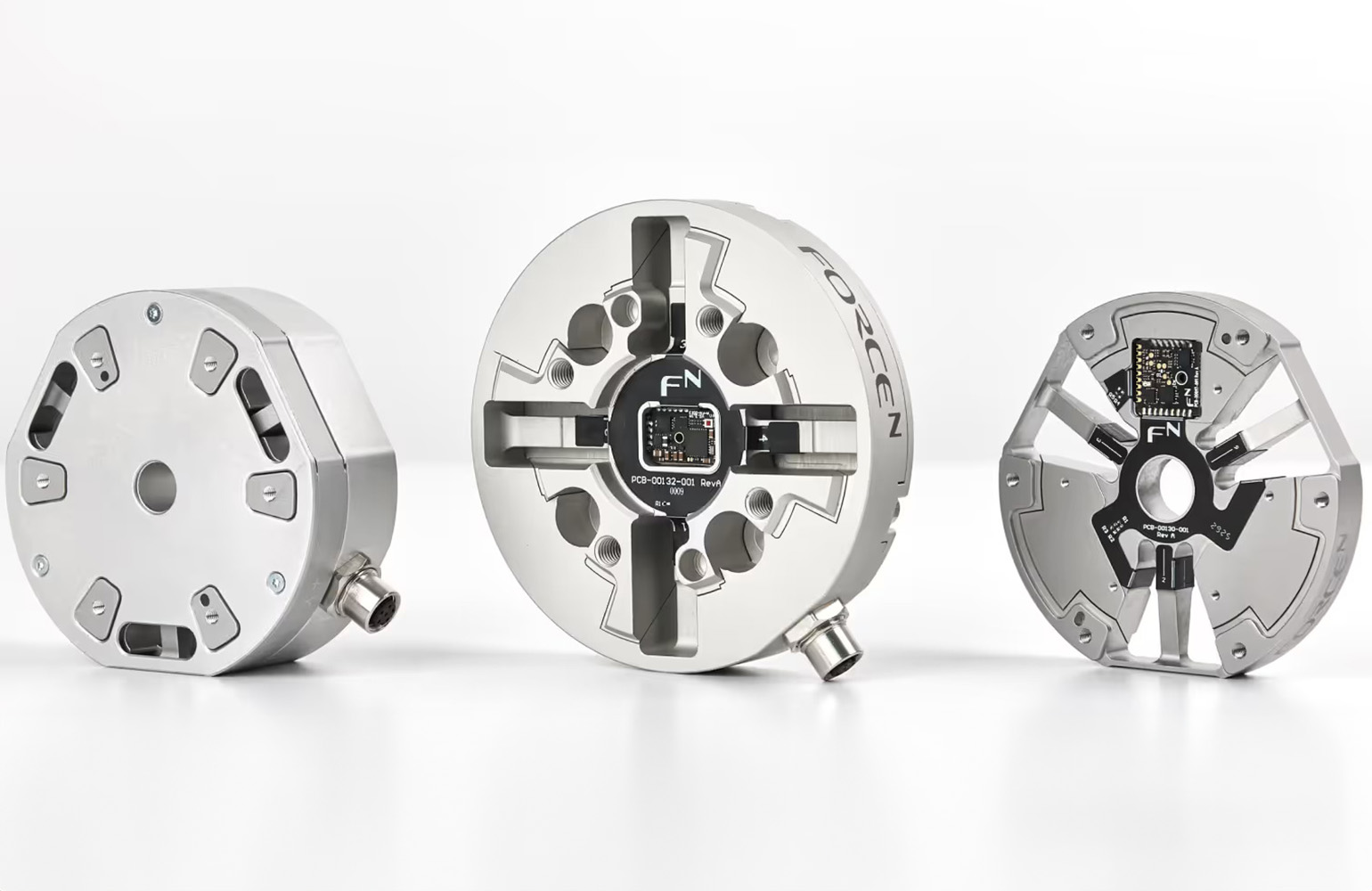
ForceN offers force torque sensors for robotic wrists and other joints. The company has supplied sensing systems to surgical, logistics, humanoid, and other robots. | Source: ForceN As humanoids move into more industrial roles, it’s crucial for them to be able to handle anything from heavy to delicate objects with precision. Force torque sensors give robots a sense of touch, and without them, robots are blind to how much pressure they’re applying while working. At RoboBusiness 2026,
Get smart on it
Force and torque sensors give robots a sense of touch by detecting how much pressure they apply while working, which is essential as humanoids move into industrial roles where they must handle both heavy and delicate objects with precision. A company that develops these sensors will present a crash course at an upcoming robotics conference covering how to use force and torque sensing in humanoids and how to avoid damaging them. The presenter brings a decade of experience developing force sensing systems across surgical, logistics, space, and other robotic applications. Attendees will learn best practices from working with humanoid companies and from applications in other robotics fields to help accelerate humanoid production and readiness.
Related news
How robotics and physical AI can responsibly tackle key physical security challenges
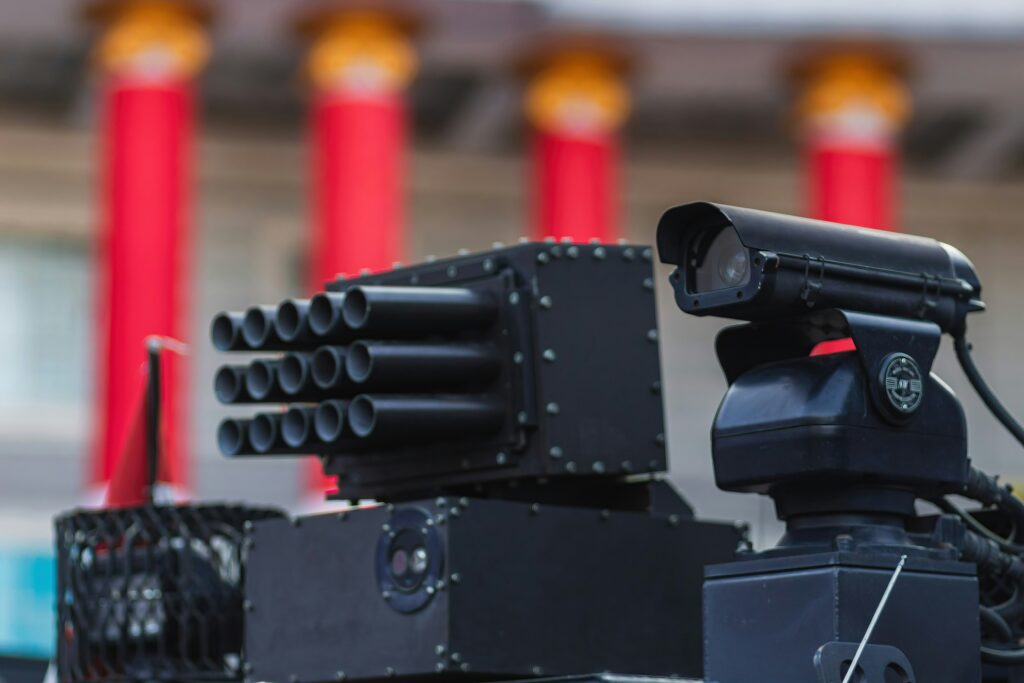
Security sensors in Yogyakarta, Indonesia. Credit: Krisna Azie, Unsplash Robotics and artificial intelligence are deeply intertwined technologies. Where the former serves as the “body,” the latter provides the “brain,” with organizations continuing to develop the technology from traditionally rigid machinery into smart, adaptive agents designed to enhance productivity and operational efficiency. In particular, the evolving sector of physical security can benefit from the
Inside NVIDIA’s IsaacTeleop: From Hand and Controller Tracking to Robot Actions with the Graph-Based Retargeting Engine
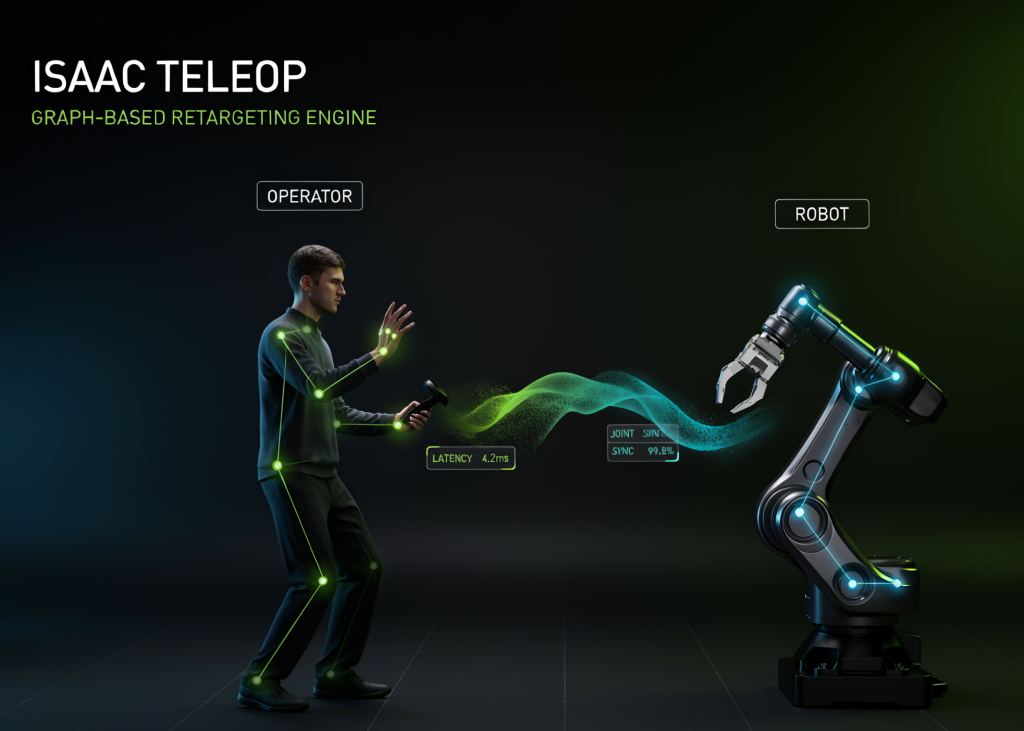
In this tutorial, we work through the retargeting engine at the core of NVIDIA IsaacTeleop, the framework that turns XR hand tracking and motion-controller input into commands for simulated and real robots. Rather than plugging in a headset, we build every input ourselves in NumPy, so each step runs on a plain Colab CPU and prints what it computes. We start with the type system every node speaks, generate synthetic hand and controller data, write our own retargeter with live-tunable parameters,