Farmers are facing more pressure; CNH says robotics can help
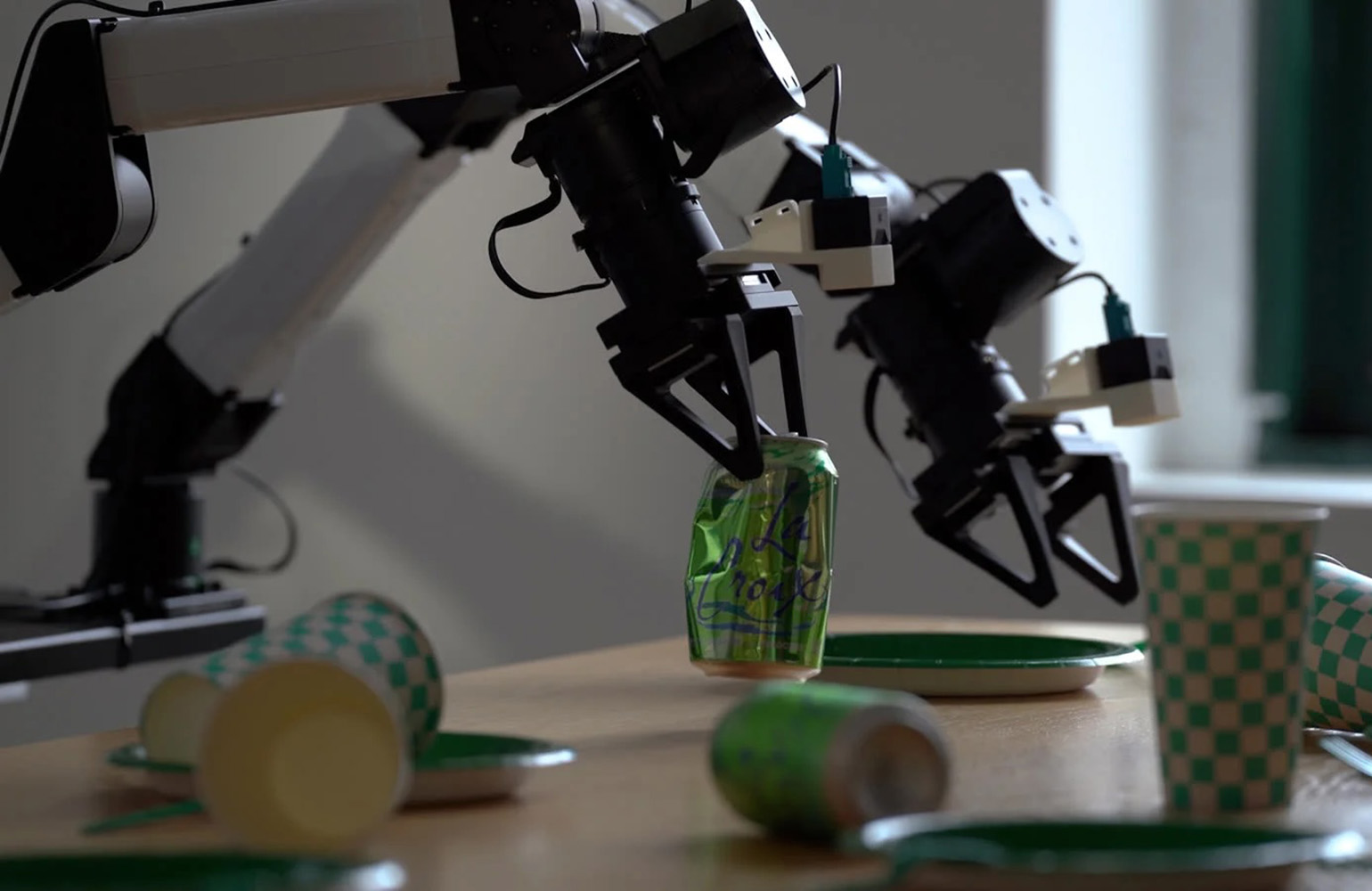
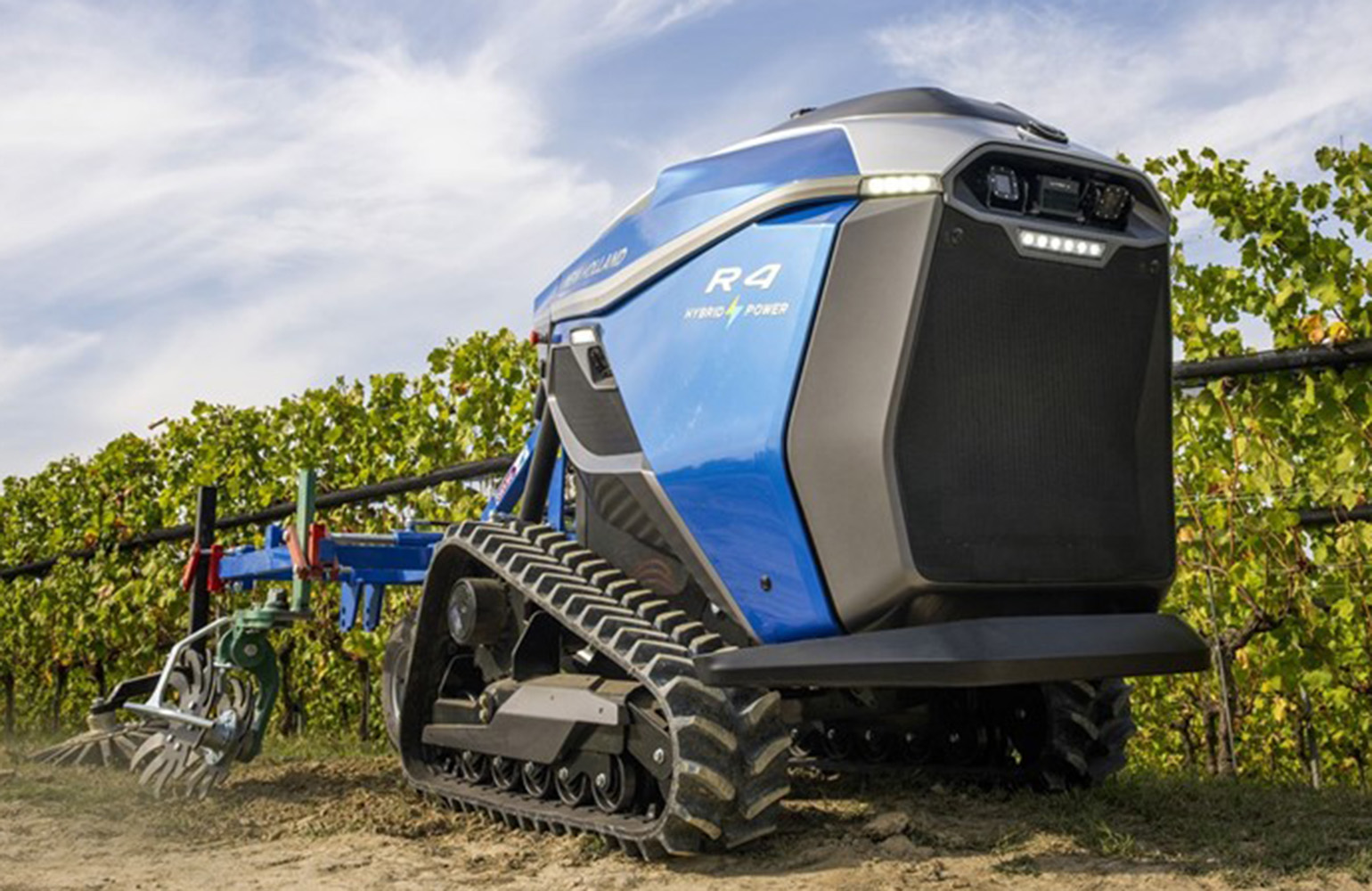
The R4 robot is designed to help vineyard, orchard and specialty crop growers overcome sector challenges. | Source: CNH Industrial 2026 has been a tumultuous year for farmers in America. Global trade wars mean farmers’ supplies are growing more expensive, while many crop prices have dropped. At the same time, changing weather conditions mean getting a good harvest is increasingly tricky. These pressures result in a need for a change in how we farm, and robotics could be the answer. Luca Fe
Get smart on it
Farmers are experiencing mounting pressures from global trade wars, dropping crop prices, and unpredictable weather, creating demand for new solutions to operate more efficiently with fewer resources. A major agricultural equipment manufacturer says robotics, powered by recent advances in artificial intelligence and sensing technology, can address key challenges like labor availability during critical operations such as planting, spraying, and harvesting. The company is developing systems that move beyond assisting with individual tasks to managing entire farm operations by sensing their environment, making decisions, and executing work across multiple connected machines. These systems collect machine, field, and agronomic data that can be analyzed to provide farmers with insights and recommendations, while precision robotic applications like targeted spraying can reduce chemical use and soil compaction.
Related news
How robotics and physical AI can responsibly tackle key physical security challenges
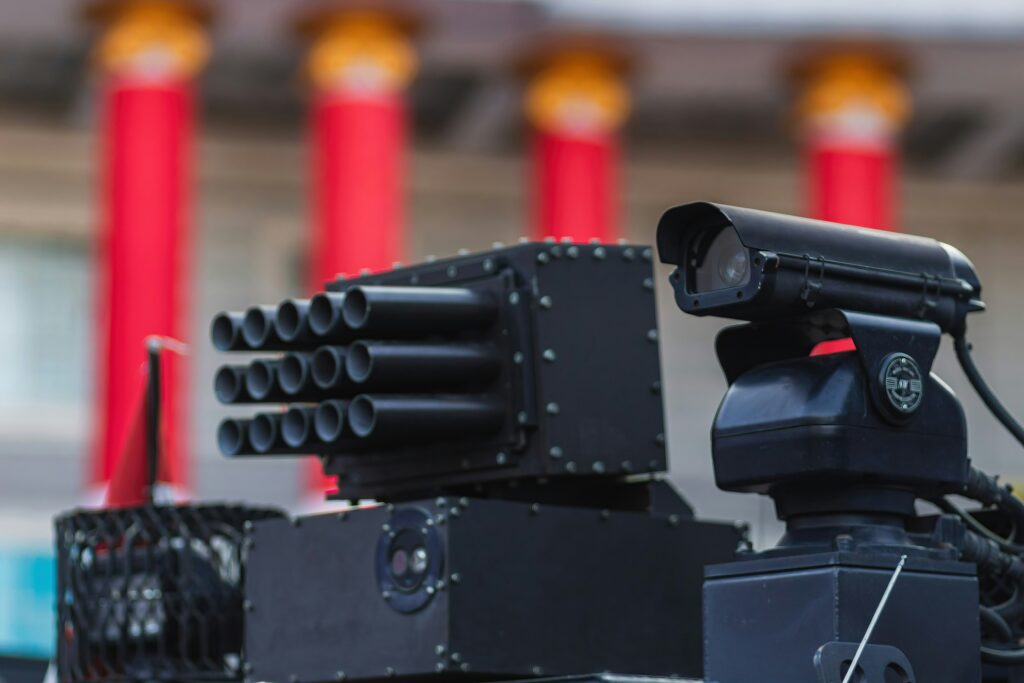
Security sensors in Yogyakarta, Indonesia. Credit: Krisna Azie, Unsplash Robotics and artificial intelligence are deeply intertwined technologies. Where the former serves as the “body,” the latter provides the “brain,” with organizations continuing to develop the technology from traditionally rigid machinery into smart, adaptive agents designed to enhance productivity and operational efficiency. In particular, the evolving sector of physical security can benefit from the
Inside NVIDIA’s IsaacTeleop: From Hand and Controller Tracking to Robot Actions with the Graph-Based Retargeting Engine
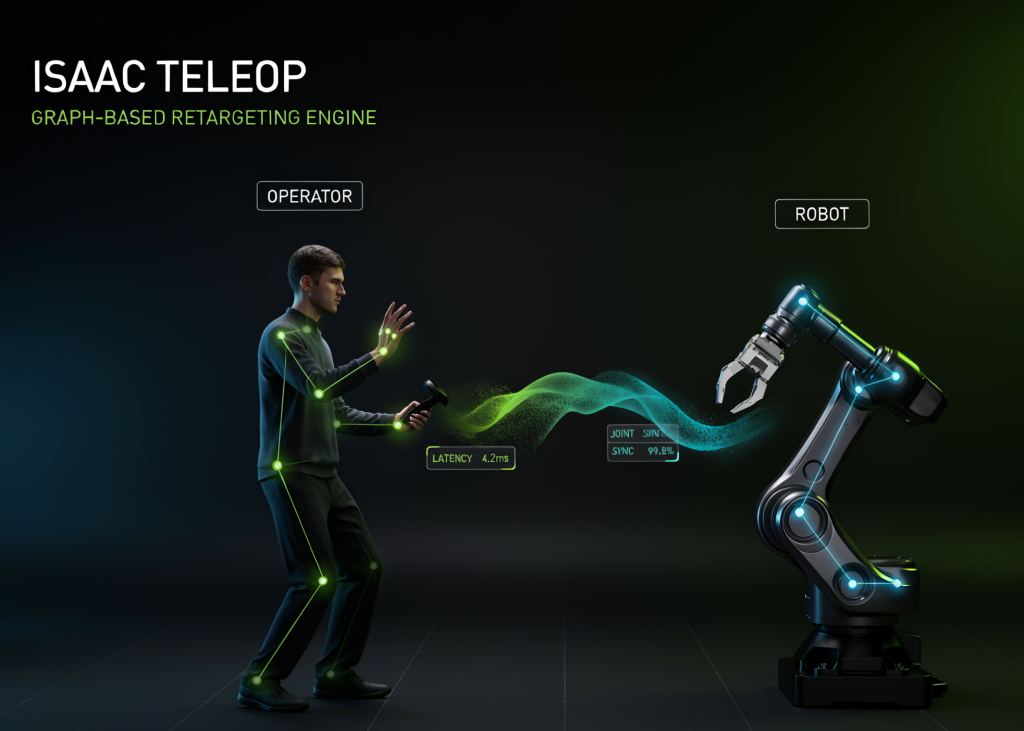
In this tutorial, we work through the retargeting engine at the core of NVIDIA IsaacTeleop, the framework that turns XR hand tracking and motion-controller input into commands for simulated and real robots. Rather than plugging in a headset, we build every input ourselves in NumPy, so each step runs on a plain Colab CPU and prints what it computes. We start with the type system every node speaks, generate synthetic hand and controller data, write our own retargeter with live-tunable parameters,