Dyna Robotics Introduces Dyna-2: A World-Action Model Pre-Trained on 1 Million Hours of Human Video
Dyna Robotics has released Dyna-2, a world-action model for robot manipulation. It was pre-trained on more than one million hours of egocentric human video. That is roughly 170 years of continuous waking experience. Robot learning has been bottlenecked by action-labelled data, which teleoperation must deliberately produce. Dyna-2 tests whether ordinary human video can substitute. The research team trained a data ladder from 1,000 to 1,000,000 hours and measured what scales. Three results follow
Get smart on it
Dyna-2 is a world-action model trained on over one million hours of egocentric human video to enable robots to perform manipulation tasks. It matters because robot learning has been limited by the need for action-labeled data from teleoperation, and this model tests whether ordinary human video can substitute for that expensive data. The model shows that scaling laws for human video transfer to unseen robot data, and that video training, rather than action-labeled data alone, drives the ability to generalize across different robot embodiments. Currently, Dyna-2 is available only as a vendor-operated system in Dyna robot cells deployed in hospitality, food service, and laundry facilities, not as downloadable weights or an API.
Related news
Why robots that can’t communicate naturally won’t be adopted
For humanoid robots to operate in the real world, they’ll need more than a sense of sight. | Source: Adobe Stock At recent major tech events, humanoid robots were everywhere. Some of them walked, navigated, and manipulated objects with a level of dexterity that would have seemed unrealistic just a few years ago. And yet, despite all of this progress, I find myself consistently underwhelmed when I try to communicate with them at Treble. Supporting the development of advanced audio and voice
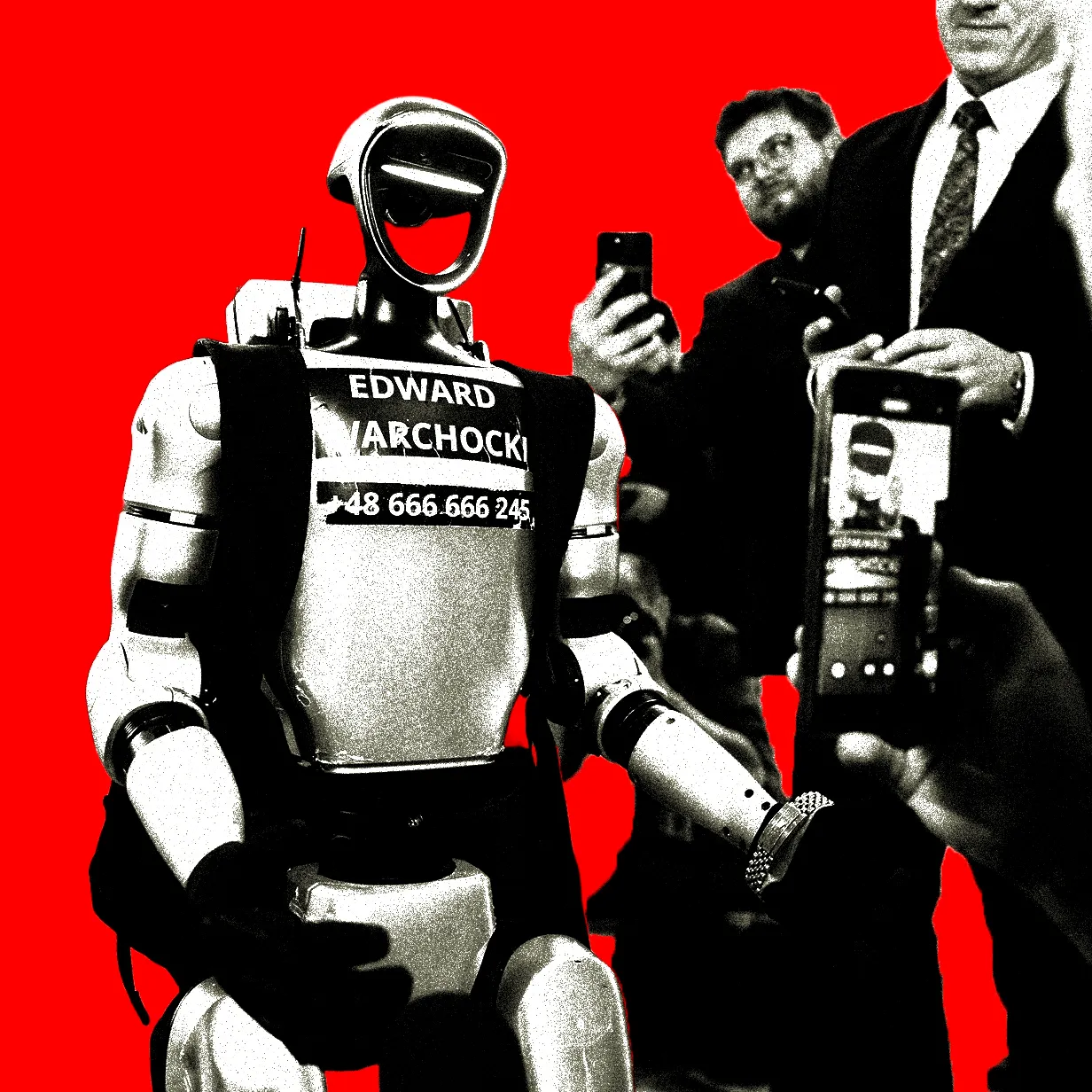
The Next Big Influencer Is This 4-Foot-Tall Robot From China
The Unitree G1 has found online fame as a relatively affordable robot that can charm a crowd. But can it ever hold down a real job?