Apptronik unveils Apollo 2 and a flagship data collection and training facility
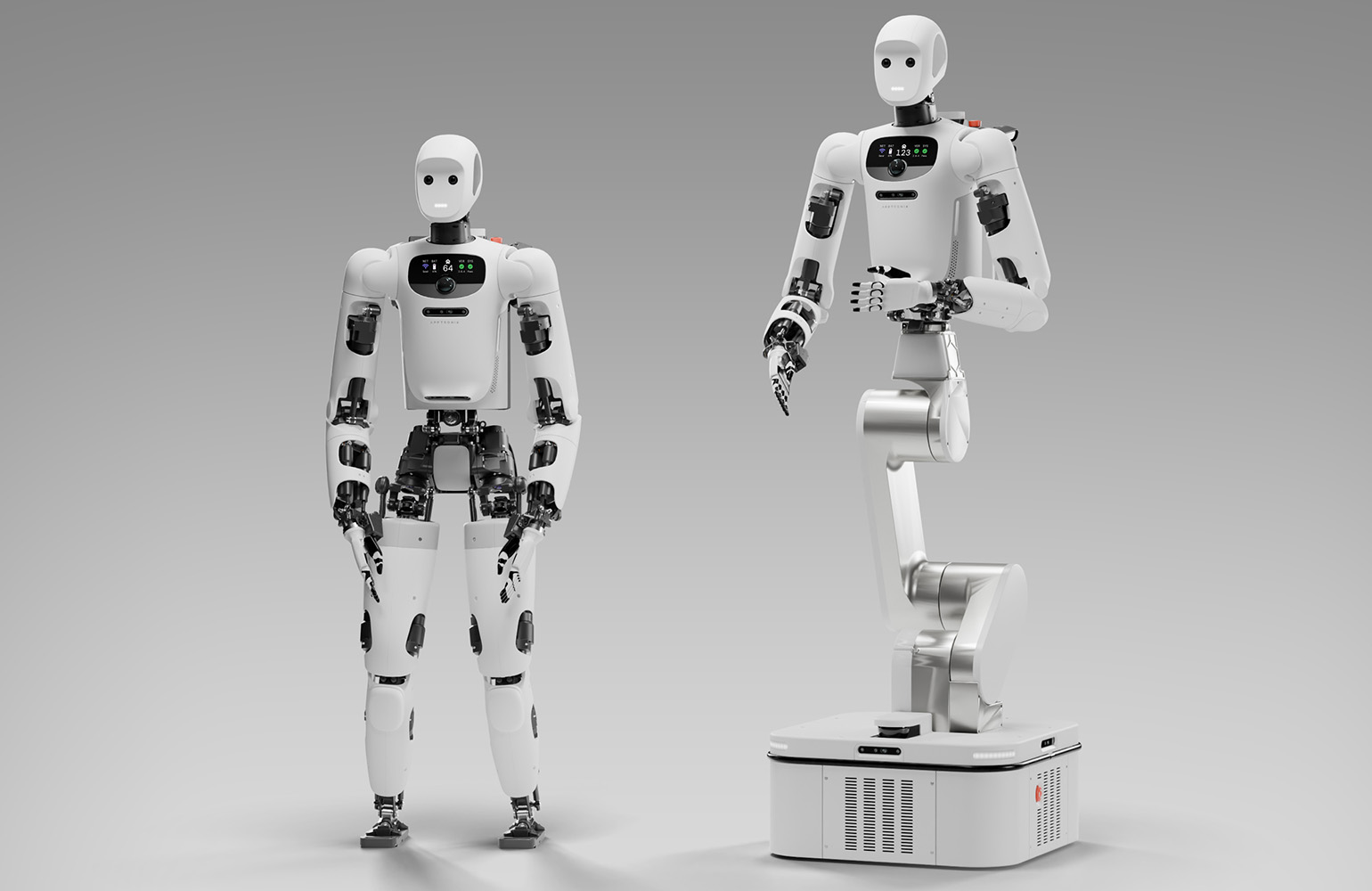
Apptronik offers a bipedal configuration for movement through spaces built for people, while a wheeled base offers stability and efficiency for high-throughput environments. | Source: Apptronik Apptronik yesterday made two major announcements. First, the company launched Apollo 2, its updated humanoid robot. Second, it opened its newly expanded Robot Park, its flagship data collection and training facility for humanoid robots in Austin, Texas. Apollo 2 comes in both bipedal and wheeled-base conf
Get smart on it
A robotics company announced a new humanoid robot model available in two physical configurations: one with legs for navigating human spaces and one with wheels for industrial environments. The company also opened an expanded facility designed to collect real-world data from these robots performing various tasks, which feeds into training artificial intelligence models developed in partnership with a major tech research team. This matters because humanoid robots require large amounts of real-world data to learn how to operate autonomously, and the company frames this integrated approach of robot deployment, data collection, and AI training as a path from prototype demonstrations to robots that work reliably in actual job settings. The facility represents part of a broader network where robots continuously generate training data while performing logistics, manufacturing, and retail tasks.
Related news
In Robotics, Ruggedization Is No Longer Optional
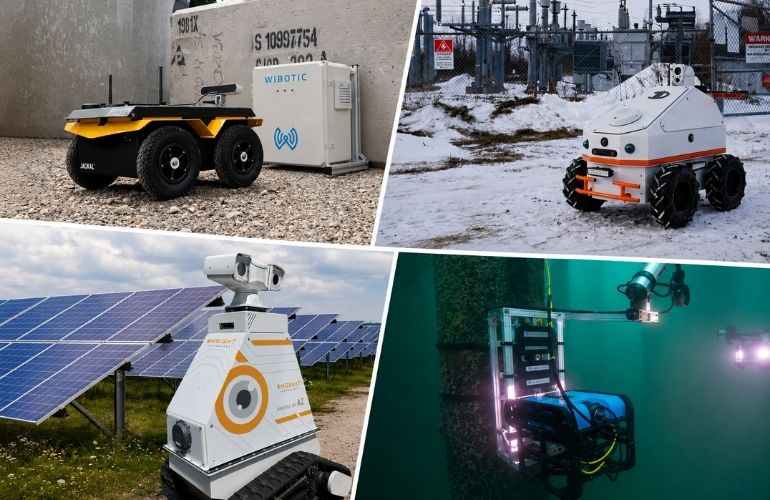
By Isaiah Dominguez, Director of Marketing, WiBotic As autonomy moves beyond controlled environments, ruggedized design is becoming a prerequisite for reliable robotic operations. For years, many autonomous mobile robots were designed around a simple assumption: the operating environment would remain relatively predictable. Warehouse floors were flat. Lighting was consistent. Temperatures were controlled. Connectivity was reliable. In those conditions, autonomy could thrive. Today, that assumpt
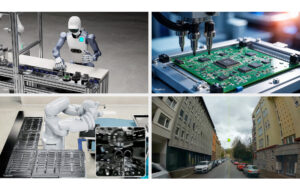
Top 10 robotics developments of June 2026
Humanoid robots made many headlines in June 2026, whether it be for companies going public, new deployments, or hitting production milestones. Large funding rounds also drew our readers’ attention this past month. Here are the 10 most popular articles on The Robot Report from June 2026. Subscribe to The Robot Report Newsletter and listen to The Robot Report Podcast to stay up to date on the latest robotics developments. 10. NVIDIA releases new and updated tools for physical AI developers