Amazon to invest $100M in new Indiana manufacturing facility
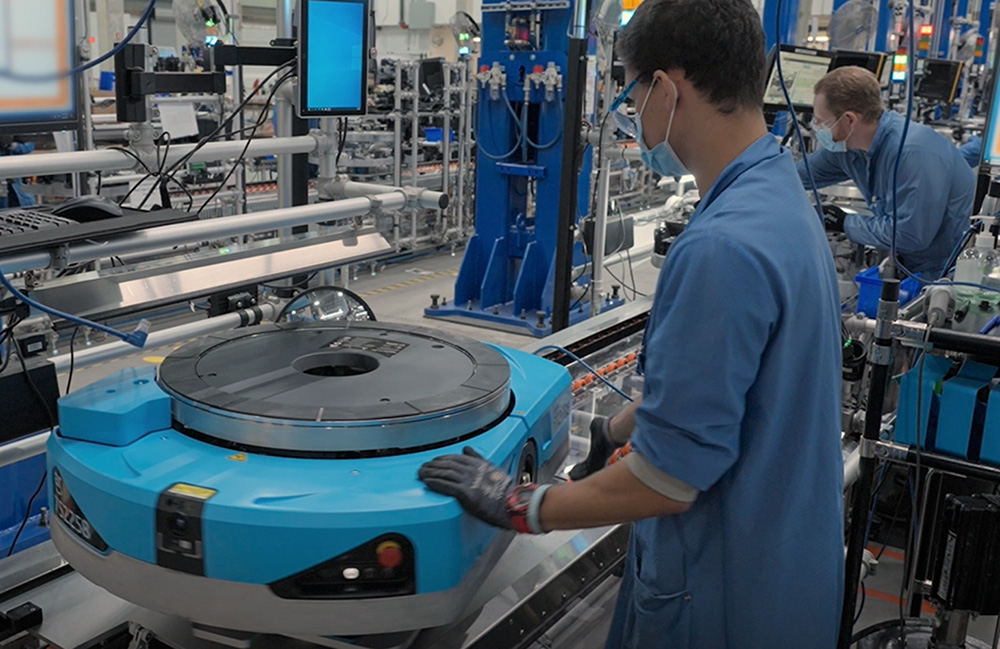
A Proteus mobile robot on an Amazon manufacturing line. | Source: Amazon Amazon this week announced plans to invest more than $100 million in a new 585,000-square-foot advanced manufacturing facility located in Greenwood, Indiana. The company claimed the facility will result in 300 skilled manufacturing and engineering jobs. The facility will produce products that power Amazon’s fulfillment and robotics network across North America. Amazon expects to launch the site by 2028. Amazon has bui
Get smart on it
Amazon announced plans to invest more than $100 million in a new manufacturing facility in Indiana that will produce products for its fulfillment and robotics network, creating approximately 300 skilled jobs and launching by 2028. The facility will use advanced fabrication, robotic welding, automated coating, and assembly capabilities supported by AWS and AI-powered smart manufacturing systems. Amazon has already built one of the world's largest industrial robotics manufacturing operations elsewhere, having produced over one million robots deployed across more than 300 facilities globally, with these robots assisting in 75 percent of all customer orders delivered worldwide. This investment follows Amazon's broader expansion into robotics, including recent acquisitions and its plans to expand drone delivery to hundreds of cities.
Related news
How robotics and physical AI can responsibly tackle key physical security challenges
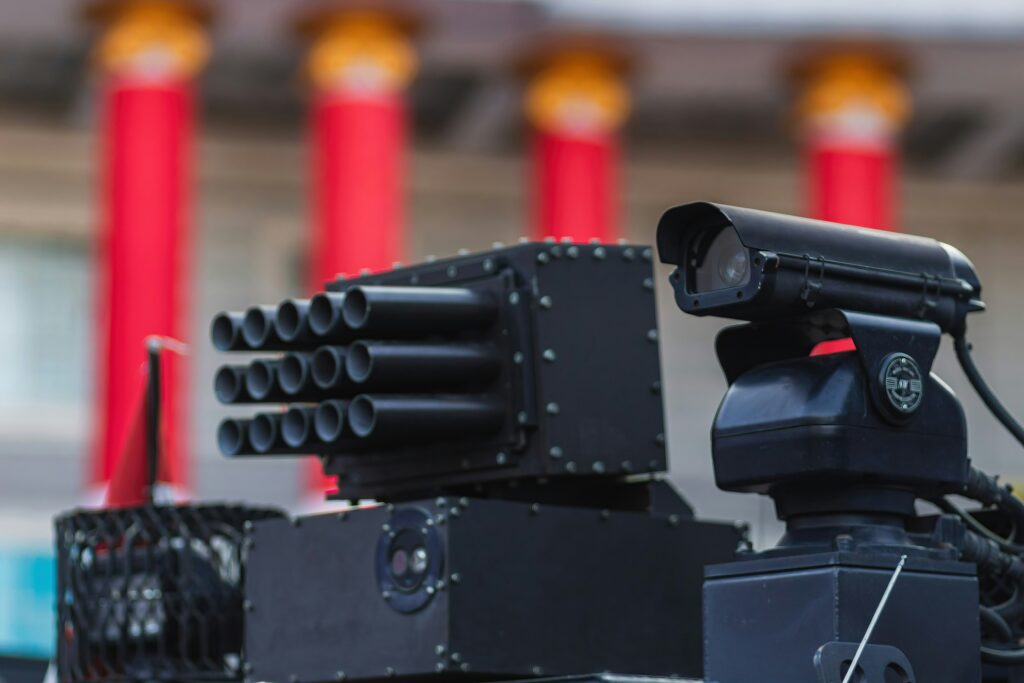
Security sensors in Yogyakarta, Indonesia. Credit: Krisna Azie, Unsplash Robotics and artificial intelligence are deeply intertwined technologies. Where the former serves as the “body,” the latter provides the “brain,” with organizations continuing to develop the technology from traditionally rigid machinery into smart, adaptive agents designed to enhance productivity and operational efficiency. In particular, the evolving sector of physical security can benefit from the
Inside NVIDIA’s IsaacTeleop: From Hand and Controller Tracking to Robot Actions with the Graph-Based Retargeting Engine
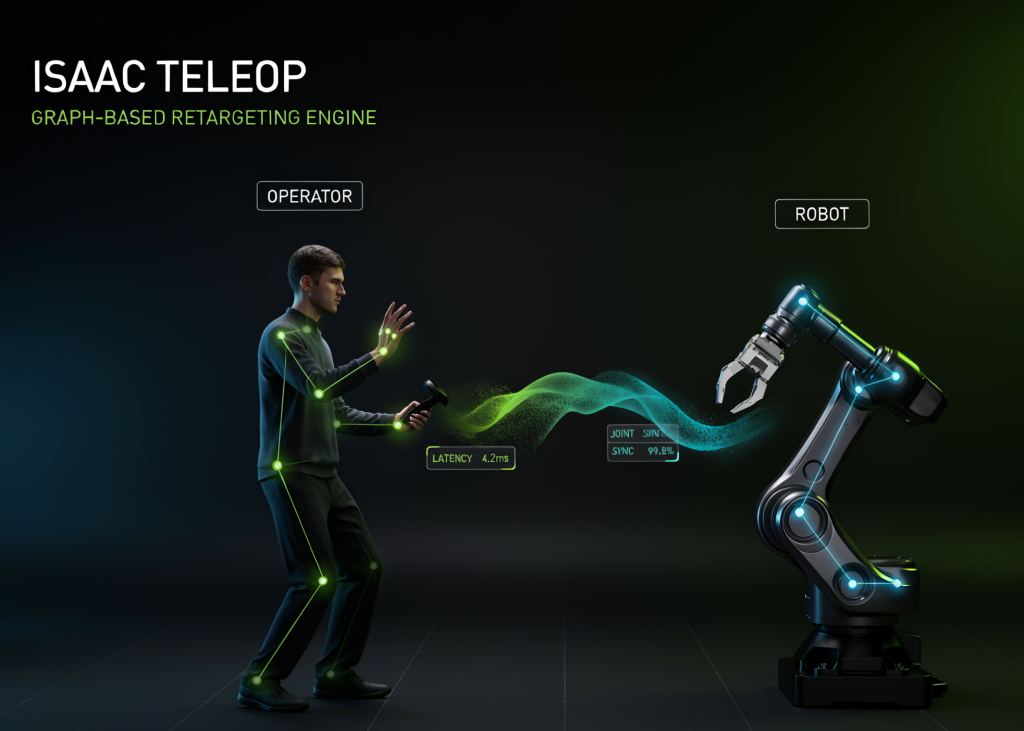
In this tutorial, we work through the retargeting engine at the core of NVIDIA IsaacTeleop, the framework that turns XR hand tracking and motion-controller input into commands for simulated and real robots. Rather than plugging in a headset, we build every input ourselves in NumPy, so each step runs on a plain Colab CPU and prints what it computes. We start with the type system every node speaks, generate synthetic hand and controller data, write our own retargeter with live-tunable parameters,