
UN diplomats agree to start discussing autonomous weapons rules
The Verge: The UN fails to agree on rules regulating ‘killer robots’
One of the items on the agenda for UN diplomats meeting in Geneva this week was working towards rules regarding the use of autonomous weapons, or so-called "killer robots." Eventually, representatives left the meetings agreeing to "start discussing options" after a largely fruitless week of negotiations. According to NPR: Before the negotiations got underway, the International Committee of the Red Cross, the guardian of the Geneva Conventions, said it was urgent for legally b
UN diplomats meeting in Geneva this week attempted to establish rules for autonomous weapons, often called "killer robots," but left the meetings only agreeing to "start discussing options" for regulations. The International Committee of the Red Cross and the UN secretary-general had called for legally binding rules to be drafted within a year, but the compromise extended that timeline to two years and allowed for regulations to potentially remain optional. Semi-autonomous weapons and drones have caused significant civilian deaths in conflicts around the world, making humanitarian organizations and some countries see urgent action as necessary. Russia, Israel, and the US were identified as primary obstacles to reaching stronger agreements, with the US proposing a five-year window for nonbinding guidelines instead.
- Nvidia reverses course and brings Jensen Huang back as CEO · TechCrunch
- US spies tracked Nvidia scandal figure's ties to Chinese intelligence for over a year · The Decoder
- Security researchers show how cheap AI inference providers steal keys and snoop on users · The Decoder
- All of today’s AI news, biggest first →
One short email a day with the stories that matter. Free. Unsubscribe with one click.
Want to go deeper than the news? Explore live, cohort-based AI courses taught by practitioners.
Browse AI courses on Maven
Nvidia reverses course and brings Jensen Huang back as CEO
The stunning reversal was supported by senior officials in the U.S. government.
Also reported by The Verge, Ars Technica, Wired AI and The Robot Report

US spies tracked Nvidia scandal figure's ties to Chinese intelligence for over a year
US intelligence agencies tracked contacts between Alice Huang and China's Ministry of State Security for over a year, the New York Times reports. The surveillance ran parallel to her secret affair with then-Nvidia CEO Jensen Huang. Federal investigators are now looking into whether a network of companies in Southeast Asia was used to smuggle AI chips into China in violation of US export controls. Jensen Huang is scheduled to testify before the US House of Representatives on December 1.
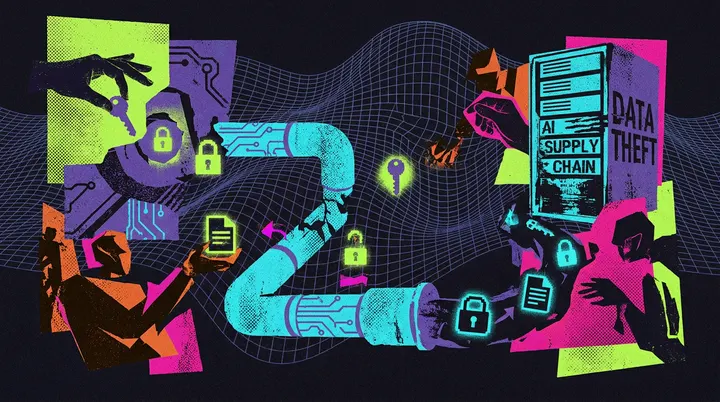
Security researchers show how cheap AI inference providers steal keys and snoop on users
Security researchers at Dragos used two million fake AI requests to uncover serious vulnerabilities in the AI supply chain, finding at least three compromised providers, hundreds of stolen AWS keys, and marketplace resellers who were simply reading customer requests. OpenRouter responded by removing three providers and 125 endpoints. The article Security researchers show how cheap AI inference providers steal keys and snoop on users appeared first on The Decoder.

States Sue SpaceX Over Grok Deepfakes
The attorneys general of Oregon and Virginia are suing several of Elon Musk’s companies, alleging they implemented weak safeguards against sexualized imagery of real people, including children.
The unfolding Jensen Huang scandal: a timeline
Jensen Huang has resigned from Nvidia following an affair, which could have ramifications for national security as the U.S. and China race to develop the most advanced AI infrastructure.
Also reported by Wired AI

Trump threatens ‘tremendous tax’ for moving AI data centers outside the US
President Donald Trump promised to put a "tremendous tax" on companies that build data centers outside of the US, even as states and cities around the country are placing restrictions on new applications to build them. "We're not going to allow our companies to build data centers outside of our country," Trump said at a press conference Friday following his summit with China President Xi Jinping and Russia President Vladimir Putin. "They allowed that to happen with chips and ev