
China silent as US touts plan for AI safety alerts that omits tech experts
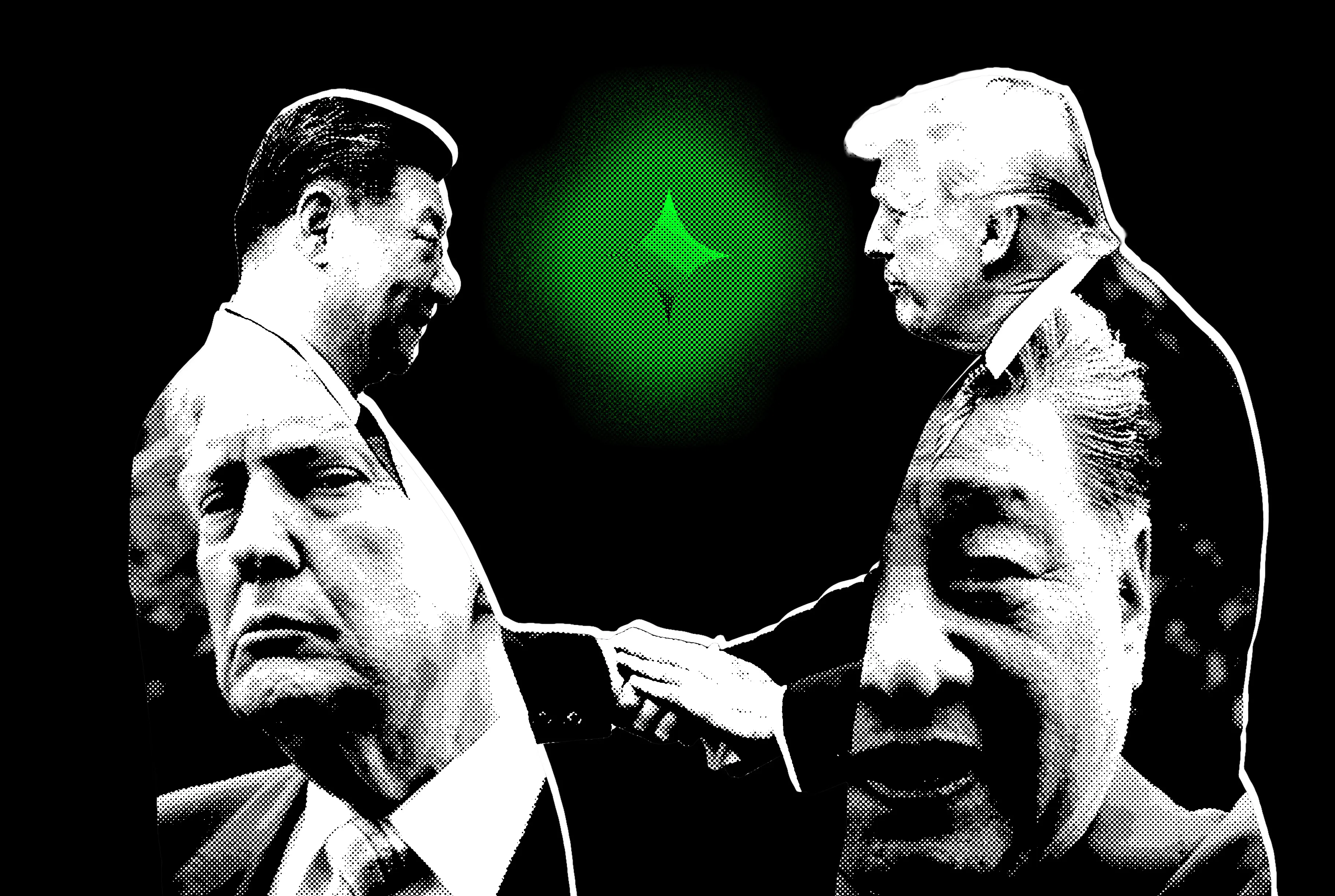
This week, the US and China, the two world leaders on AI, finally started talks meant to keep the whole world safe from emerging safety risks. But whether meetings between Donald Trump and Xi Jinping can lead to a reliable global governance framework for AI depends on how much the fierce rivals are actually willing to cooperate. It's clear Trump wants it to seem like discussions are going well. Before Trump and Xi meet on Thursday and Friday, Treasury Secretary Scott Bessent announced that both
Get smart on it
The US has proposed an AI safety alert system that would allow the US and China to notify each other when their AI systems pose threats or behave unpredictably. The proposal matters because the two world leaders on AI are attempting to establish global governance for AI safety, but experts worry the system lacks credibility since it involves no officials with technical expertise to assess risks. China has not publicly acknowledged the proposal and may view it with suspicion, particularly because the US has simultaneously imposed export controls to block China's AI advancement and accused Chinese AI makers of theft. Multiple experts expressed doubt that the alert system would be effective without technical experts involved and without addressing deeper disagreements between the countries about AI risk assessment and governance.
Related news
A US-China AI Hotline Won't Be Ready For a While
As the US and China race to become the dominant power in the AI industry, the countries also appear to be figuring out ways to communicate on national security issues.

Sam Altman’s remarks at the United Nations Security Council
OpenAI CEO Sam Altman discusses AI safety, human control, and international cooperation in remarks to the United Nations Security Council.