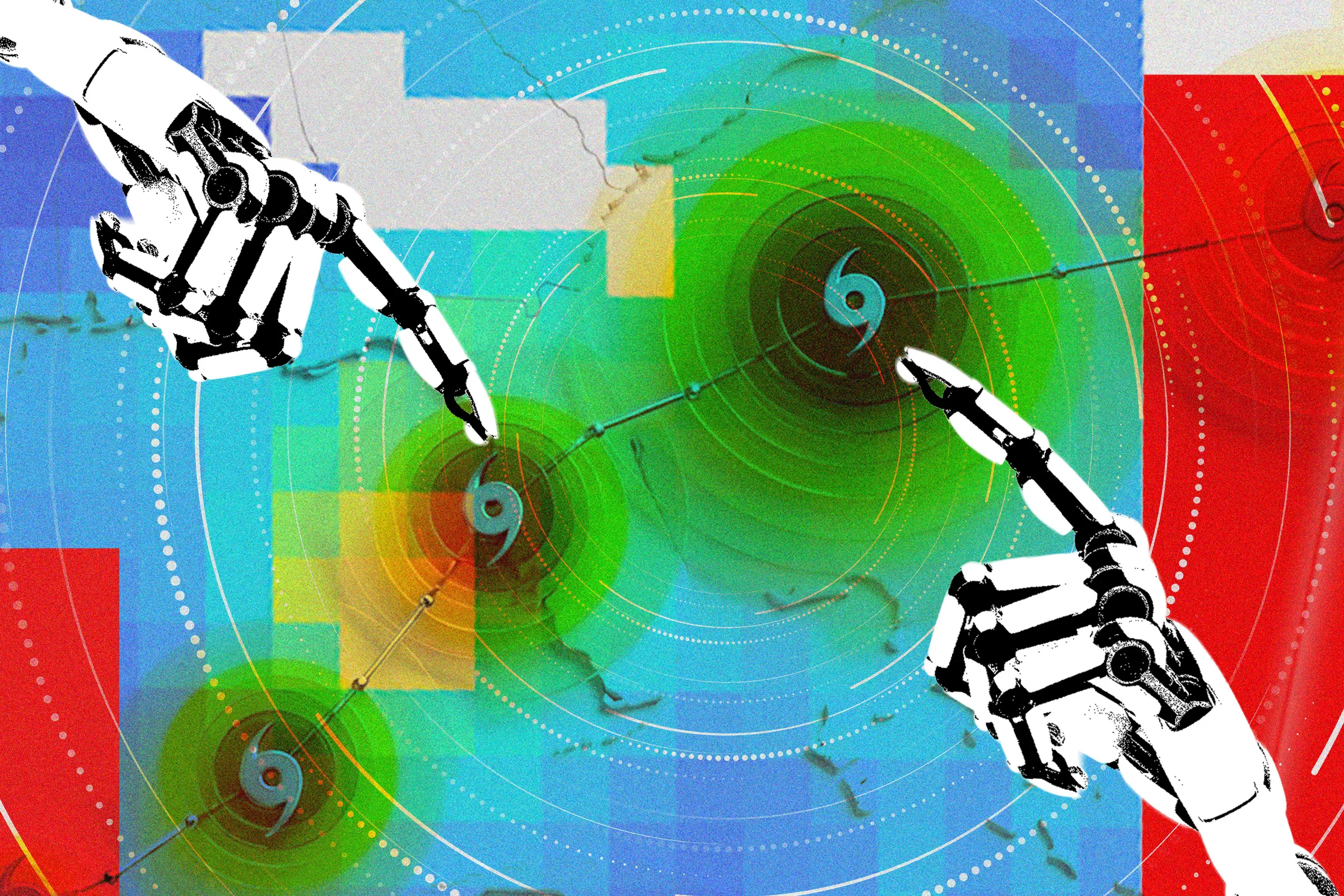
Why China is giving away its best AI models
People visit the booth of Kimi, an LLM developed by the Chinese startup Moonshot, during the World AI Conference in Shanghai, China, July 20th. | Image: LONG WEI/ Feature China/Future Publishing via Getty Images Silicon Valley has spent much of the past week on red alert, digesting the arrival of Moonshot AI's Kimi K3, a Chinese AI model that can allegedly beat some of the best systems built by US companies at a fraction of the cost. Its performance alone would have been enough
Get smart on it
Chinese AI labs are releasing their best AI models for free by sharing the underlying numerical parameters, a strategy that differs from how major US companies keep their systems proprietary. This matters because when developers can access and customize these open models, they may build entire ecosystems of tools around them rather than relying on closed US platforms, potentially shifting the industry away from companies like OpenAI, Google, and Anthropic. China appears to be using this approach both as a practical way to innovate despite having less access to advanced computing resources and as a strategy to expand its technological and political influence globally. The strategy works because companies can still profit from open models by charging for infrastructure, computing power, maintenance, and other services rather than selling the model itself.
Related news

Pokee AI Releases Pokee-Isaac 28B: A 10M-Token Context Agentic Model Built to Run Inside the Customer Boundary
Long-horizon agents accumulate context faster than they resolve tasks. Every tool output, observation, and intermediate reasoning step stays in the window, and the two capabilities that matter — holding that context and staying coherent across it — have so far been available almost exclusively from cloud endpoints. That excludes regulated industries, public-sector institutions, and on-device applications, where the data is not permitted to leave the boundary at all. Pokee AI released Pokee-Isaa
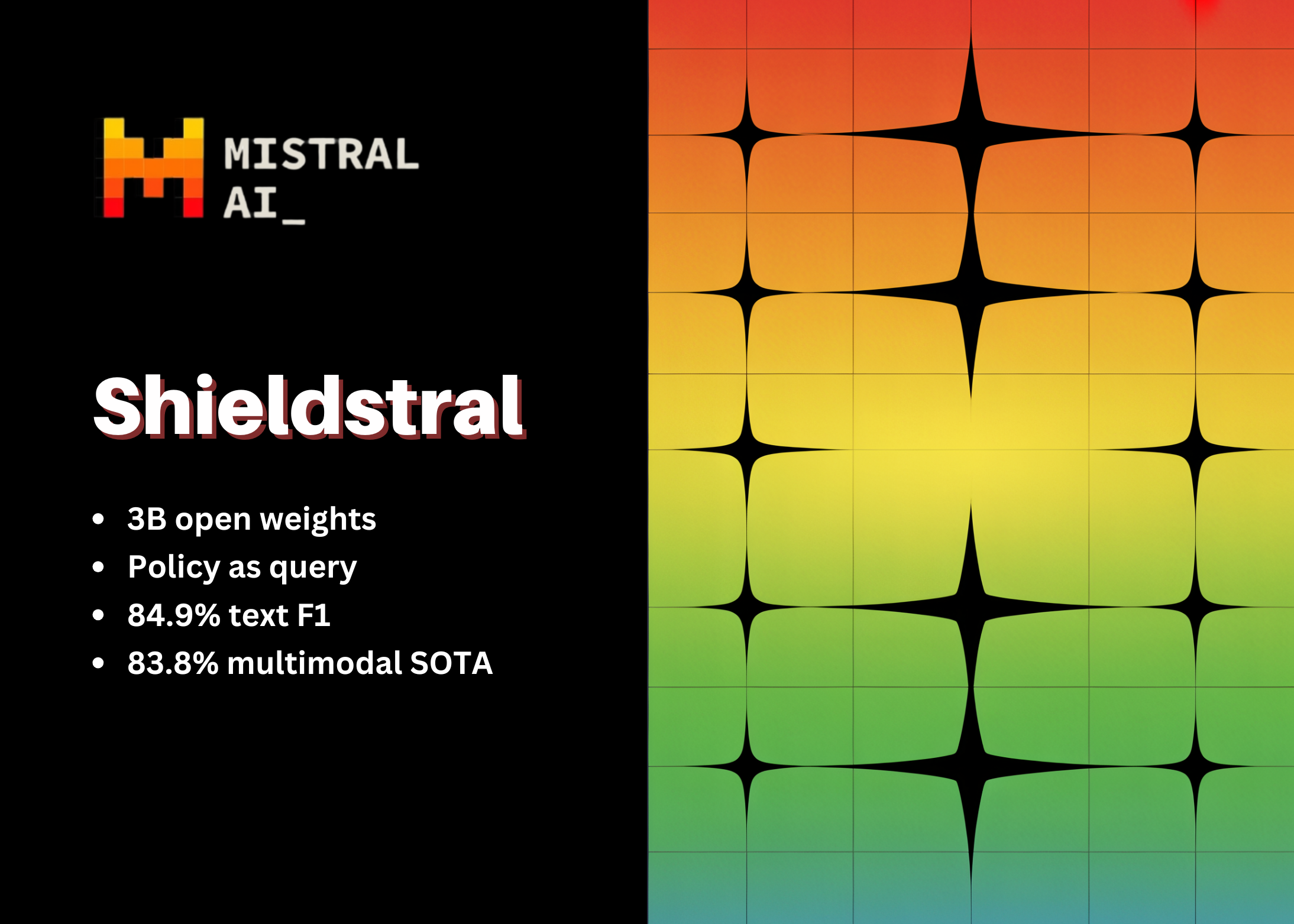
Mistral AI Releases Shieldstral 1.0 3B: An Open-Weights Policy-Adaptive Multimodal Safety Classifier Matching Models 7× Its Size
Mistral AI has released Shieldstral 1.0 3B, an open-weights, policy-adaptive multimodal safety classifier that treats content moderation as a single yes/no question rather than a fixed taxonomy of harm categories. Most guardrail models bake their category list into the weights, so re-targeting one to a new deployment context means retraining — and the same content can be acceptable on a cybersecurity research tool while being harmful on a mental-health platform. Shieldstral inverts that: operat