WeatherNext: AI model achieves breakthrough in forecasting cyclones
Accurate cyclone predictions could save lives and reduce economic damage from extreme weather events in vulnerable regions.
Get smart on it
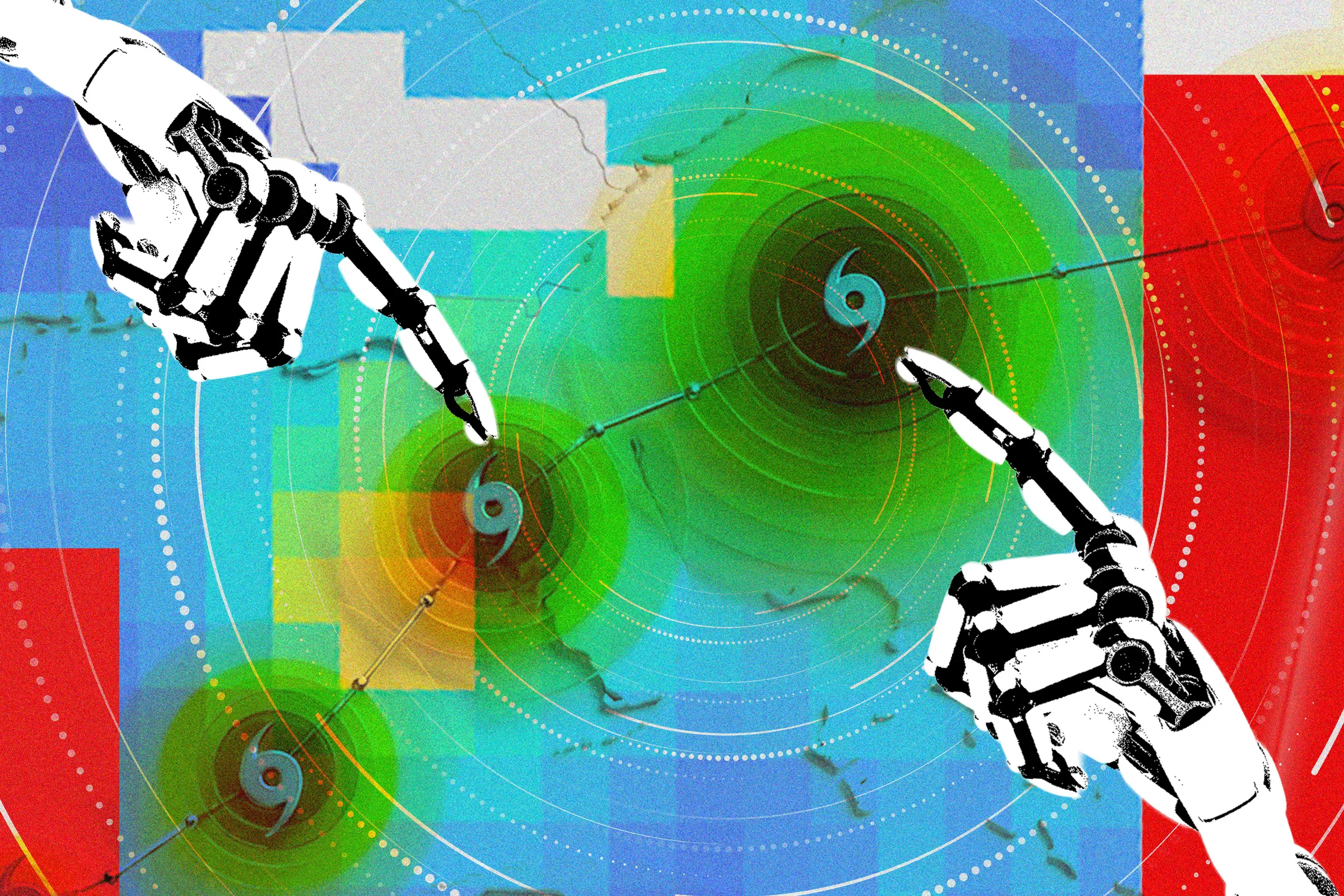
WeatherNext is an AI model that predicts tropical cyclone tracks, intensity, and wind structure with improved accuracy compared to previous forecasting methods. The model provides an extra day of predictive accuracy, meaning three-day forecasts are now as accurate as two-day forecasts from prior models, representing roughly a decade of meteorological progress. This matters because tropical cyclones are among the most destructive weather phenomena, responsible for hundreds of thousands of deaths and trillions in economic losses over recent decades, making timely and accurate warnings critical for emergency preparation. The model was developed through collaboration between AI researchers at Google DeepMind and Google Research alongside meteorological experts at multiple weather agencies and forecast centers, and has already been used to support real-world hurricane forecasting operations.
Related news

Pokee AI Releases Pokee-Isaac 28B: A 10M-Token Context Agentic Model Built to Run Inside the Customer Boundary
Long-horizon agents accumulate context faster than they resolve tasks. Every tool output, observation, and intermediate reasoning step stays in the window, and the two capabilities that matter — holding that context and staying coherent across it — have so far been available almost exclusively from cloud endpoints. That excludes regulated industries, public-sector institutions, and on-device applications, where the data is not permitted to leave the boundary at all. Pokee AI released Pokee-Isaa
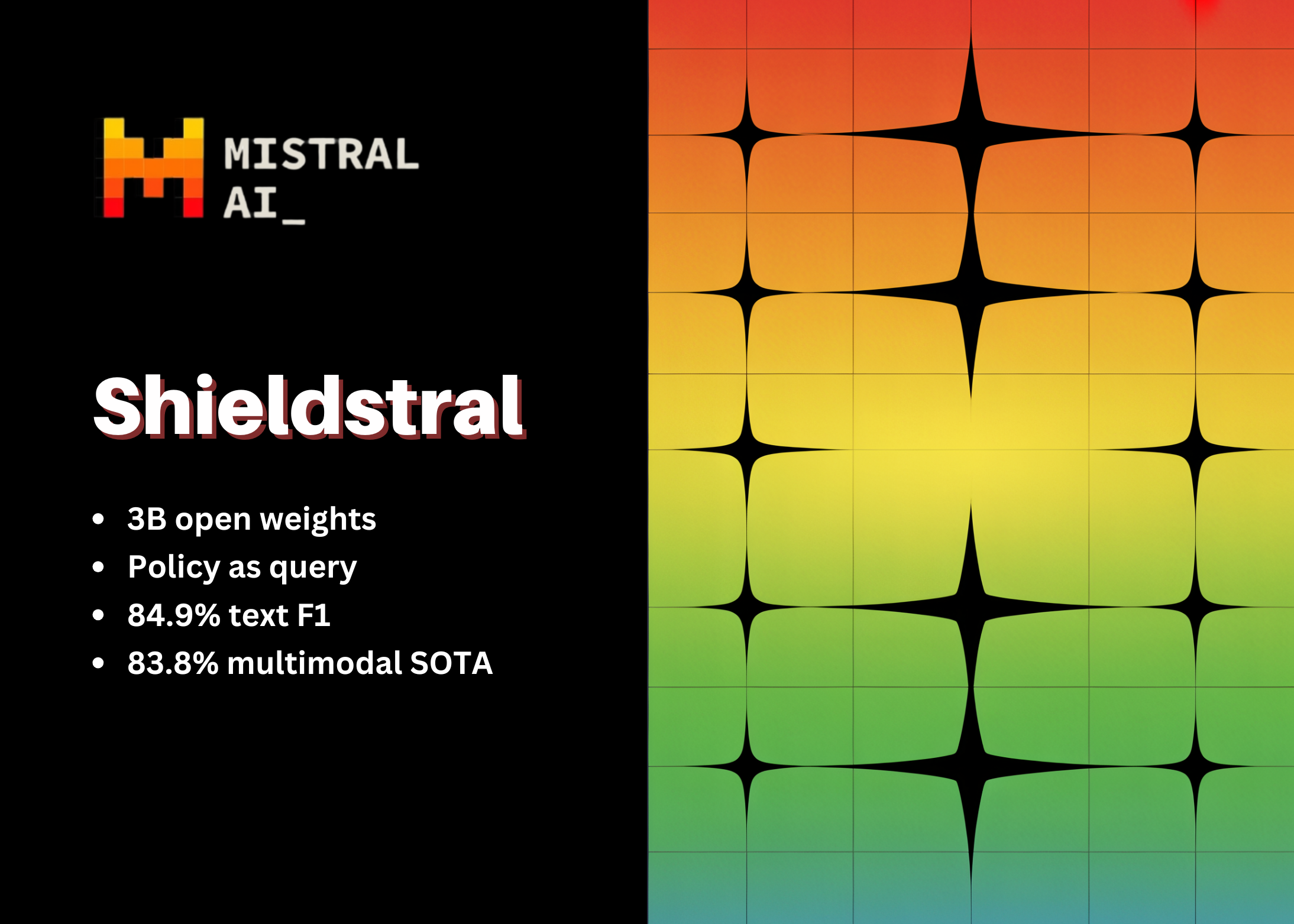
Mistral AI Releases Shieldstral 1.0 3B: An Open-Weights Policy-Adaptive Multimodal Safety Classifier Matching Models 7× Its Size
Mistral AI has released Shieldstral 1.0 3B, an open-weights, policy-adaptive multimodal safety classifier that treats content moderation as a single yes/no question rather than a fixed taxonomy of harm categories. Most guardrail models bake their category list into the weights, so re-targeting one to a new deployment context means retraining — and the same content can be acceptable on a cybersecurity research tool while being harmful on a mental-health platform. Shieldstral inverts that: operat