Get smart on it
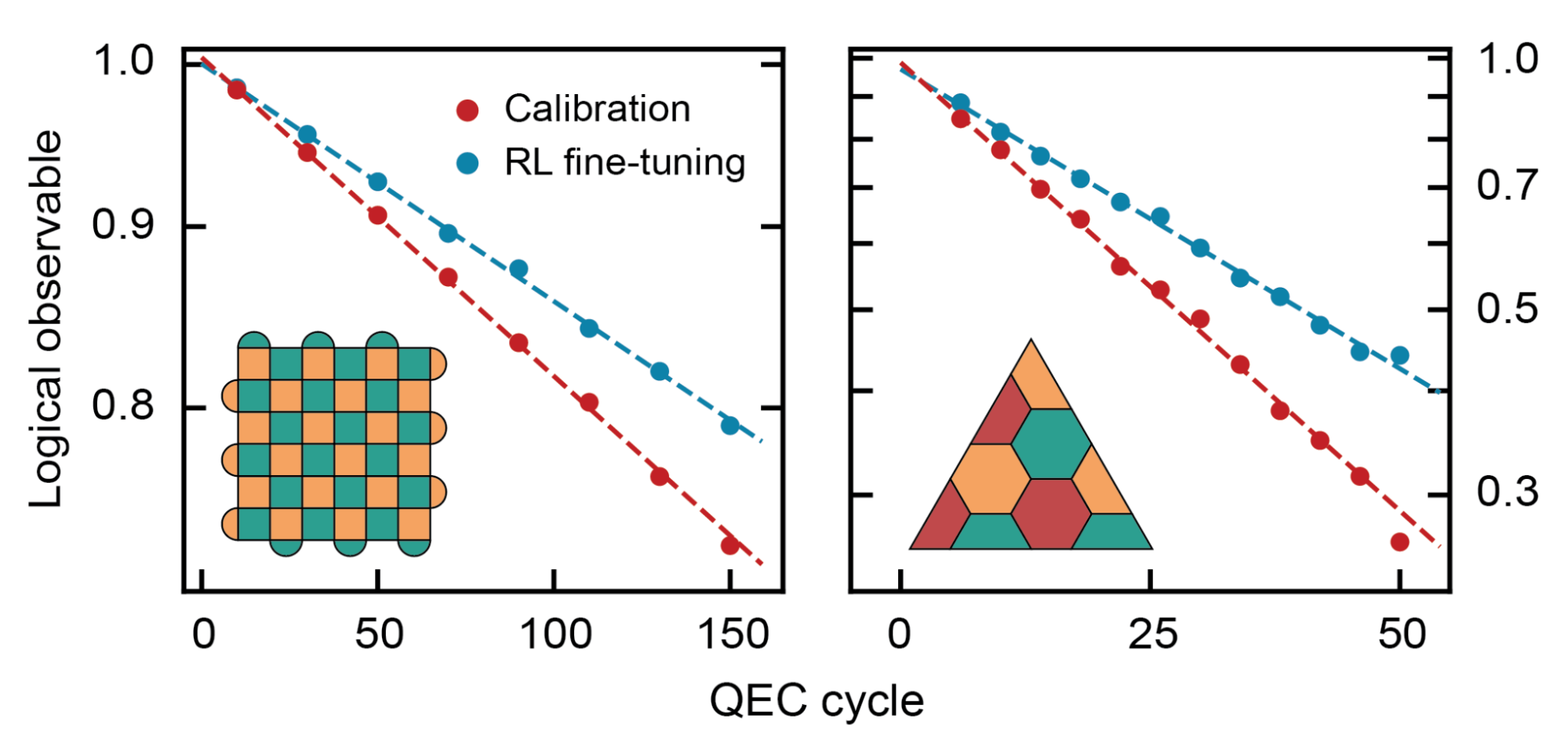
Quantum computers drift out of calibration during operation, similar to musical instruments going out of tune, which currently requires stopping the entire computation to recalibrate thousands of control parameters. Researchers integrated reinforcement learning with quantum error correction so that an autonomous agent continuously learns from error detection events and adjusts control parameters in real time, allowing the quantum computer to stay stable during long computations without interruption. This approach matters because useful quantum algorithms must run continuously for extended periods, and traditional physics-based calibration methods hit performance limits as quantum processors become more complex. In experiments, this reinforcement learning method improved logical stability 3.5-fold and reduced logical error rates to record lows, while simulations suggested the approach could scale to much larger quantum systems in the future.
Related news
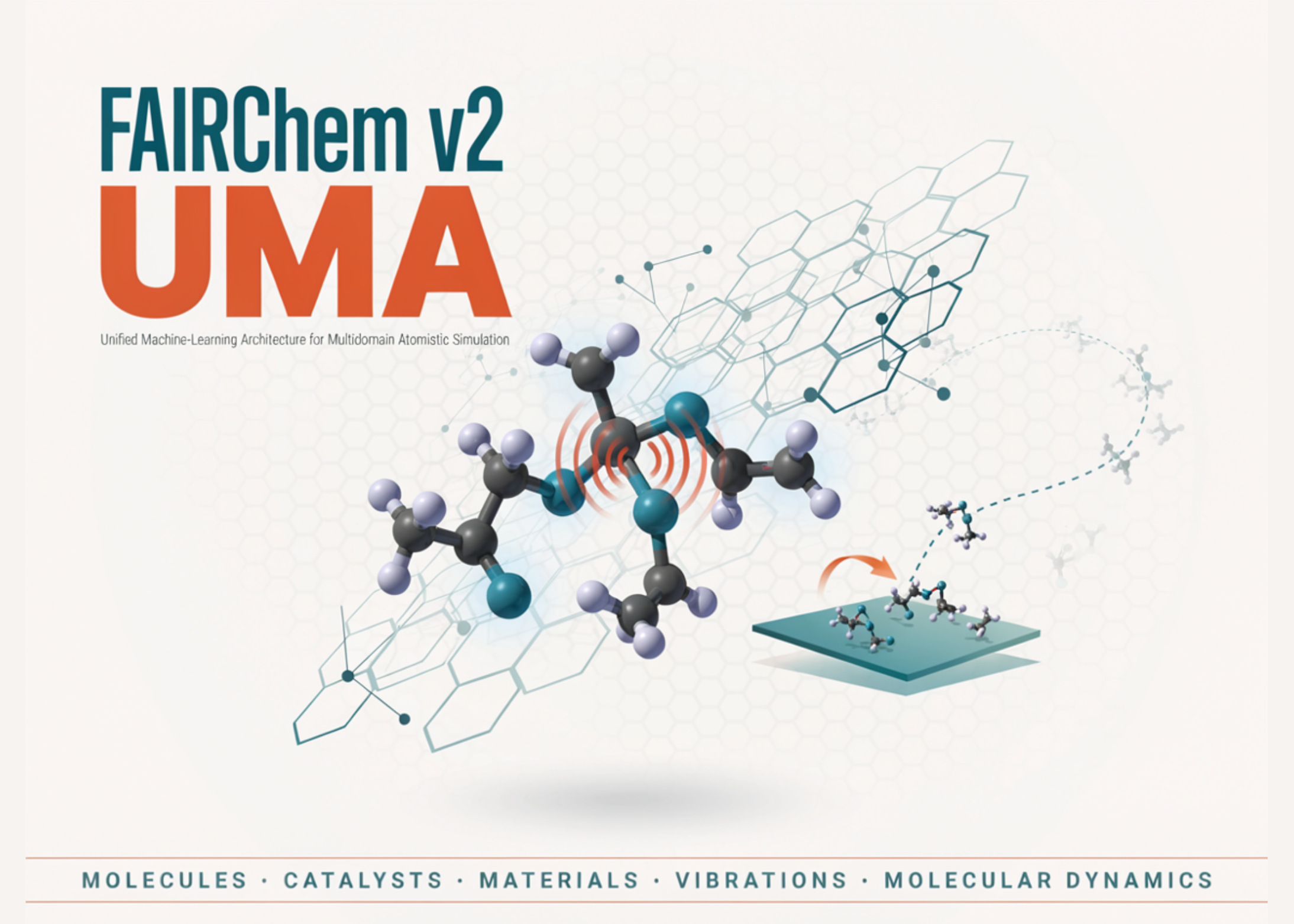
FAIRChem v2 UMA for Multidomain Atomistic Simulation across Molecules, Catalysts, Materials, Vibrations, and Molecular Dynamics
In this tutorial, we explore FAIRChem v2 and the UMA universal machine-learning interatomic potential as a unified framework for atomistic simulation across molecular chemistry, catalysis, and inorganic materials. We configure an environment, authenticate with Hugging Face to access the gated UMA model weights, and initialize task-specific calculators for the omol, oc20, and omat domains. We then apply the same pretrained potential to a broad set of computational chemistry workflows, including
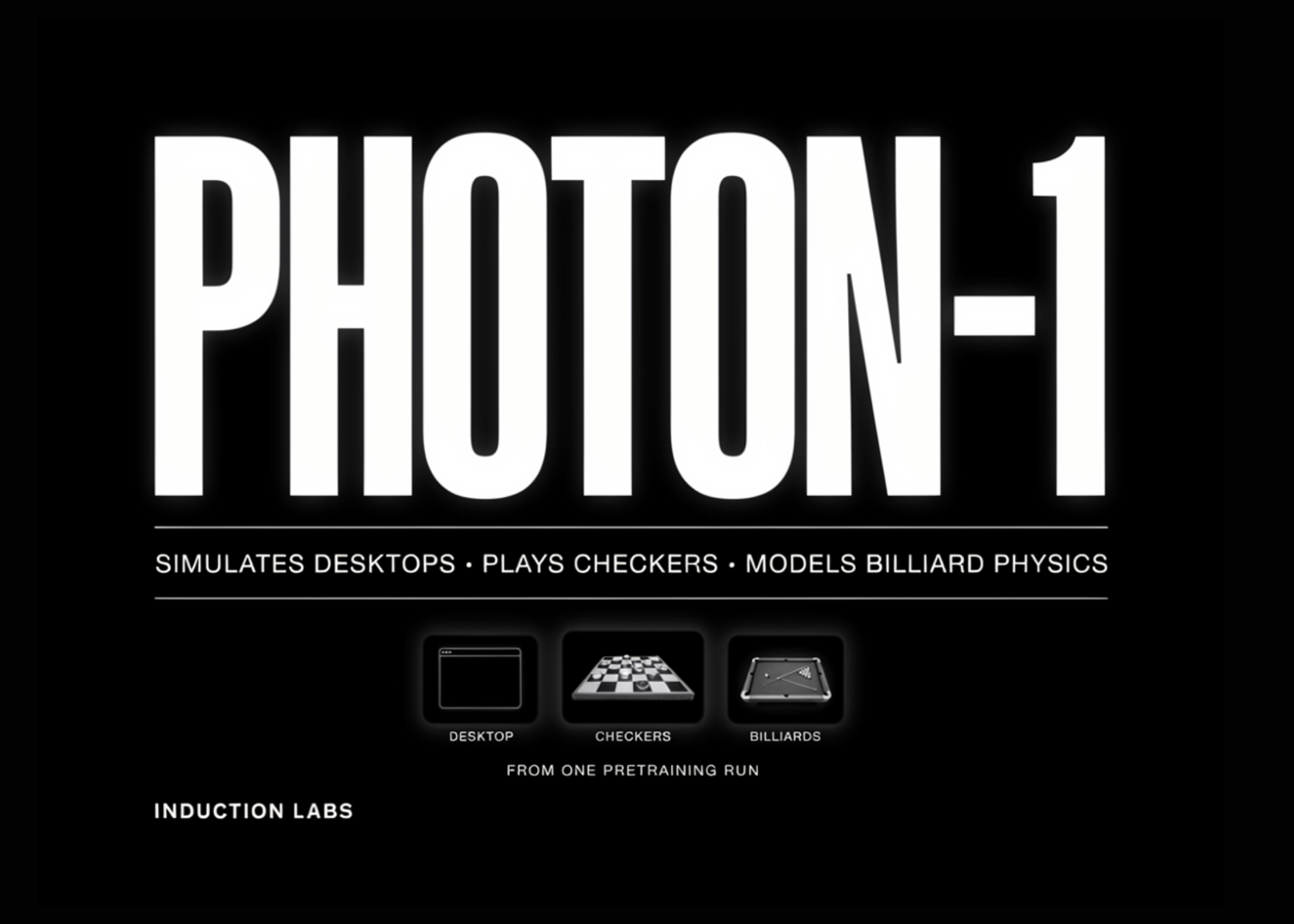
Induction Labs Photon-1 Simulates Desktops, Plays Checkers, and Models Billiard Physics From One Pretraining Run
Most agents that learn from video need to know what action produced each frame. Induction Labs is arguing that this requirement is the bottleneck. Last week, they released imagination models, a foundation model architecture that pretrains on raw video with no action labels at all. Their test system is Photon-1, a sparse 106B-A5B mixture-of-experts (MoE) transformer trained on 18 years of computer demonstration video. On an internal computer use benchmark, Induction Labs reports that Photon-1