Someone Fine-Tuned OpenBMB’s MiniCPM5-1B on Claude Fable 5 Traces to Ship a 657MB Local Thinking Model
A community developer, GnLOLot, has published a 1B model that runs fully on local hardware. The model is MiniCPM5-1B-Claude-Opus-Fable5-Thinking, with GGUF builds for llama.cpp-compatible runtimes. It needs no API key and makes no cloud calls. The Proposed Model The model is built on openbmb/MiniCPM5-1B. That base is a real, documented release from OpenBMB. It is a dense 1.08B-parameter model using a standard LlamaForCausalLM architecture. It has 24 layers, grouped-query attention, and a
Get smart on it
A developer created a small language model by fine-tuning an existing 1-billion-parameter base model on text traces generated from a larger teacher model, resulting in a model that runs locally at roughly 657MB in size. This approach differs from classical distillation because it trains on generated text outputs rather than transferring weights or internal signals from the teacher model. The practical limitation is that while the smaller model learns to imitate response format and style, it cannot absorb the underlying reasoning capabilities of the larger teacher model due to its limited parameter budget. The model runs on local hardware without requiring API keys or cloud calls, and can be used through various open-source frameworks like llama.cpp and Ollama.
Related news
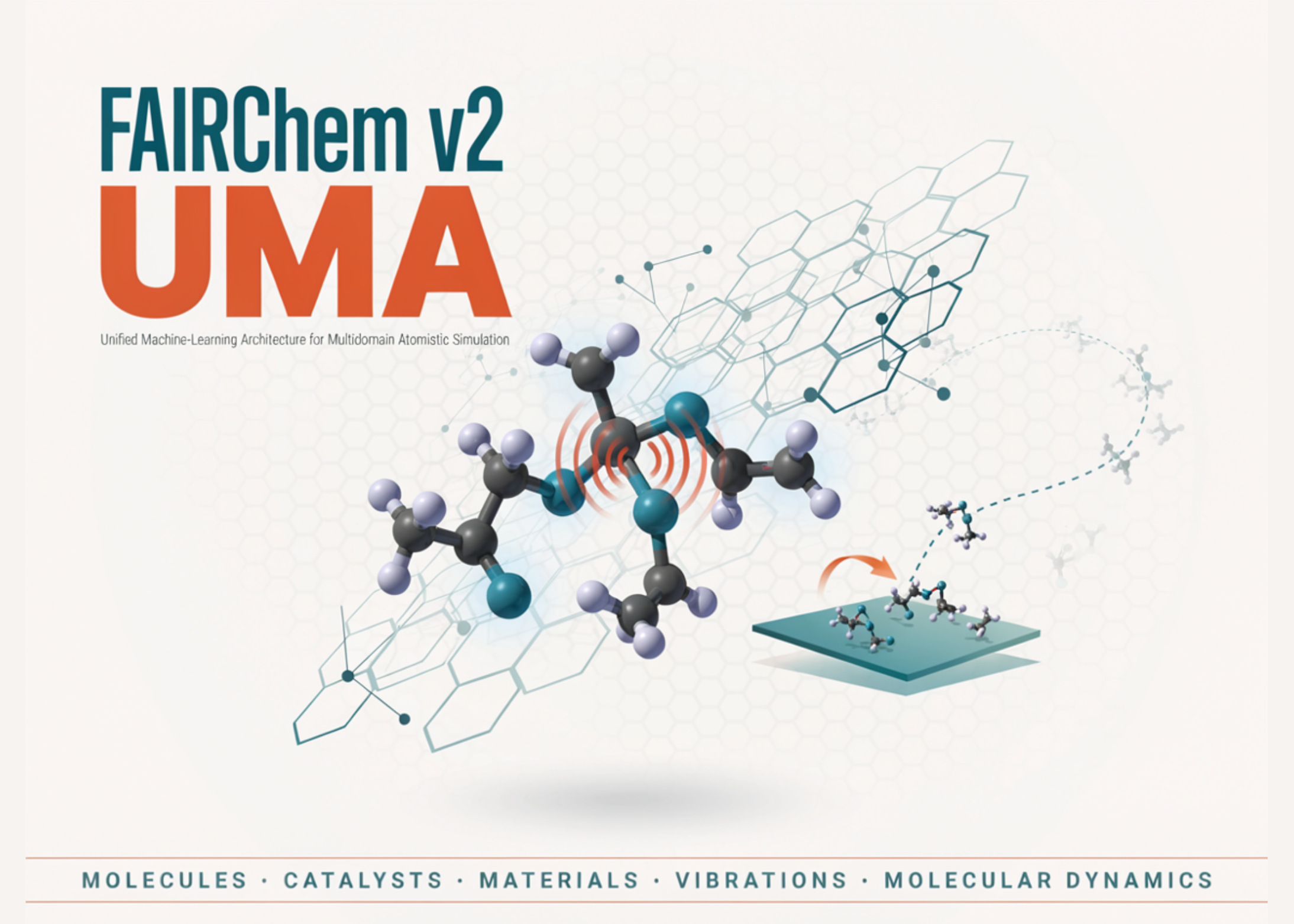
FAIRChem v2 UMA for Multidomain Atomistic Simulation across Molecules, Catalysts, Materials, Vibrations, and Molecular Dynamics
In this tutorial, we explore FAIRChem v2 and the UMA universal machine-learning interatomic potential as a unified framework for atomistic simulation across molecular chemistry, catalysis, and inorganic materials. We configure an environment, authenticate with Hugging Face to access the gated UMA model weights, and initialize task-specific calculators for the omol, oc20, and omat domains. We then apply the same pretrained potential to a broad set of computational chemistry workflows, including
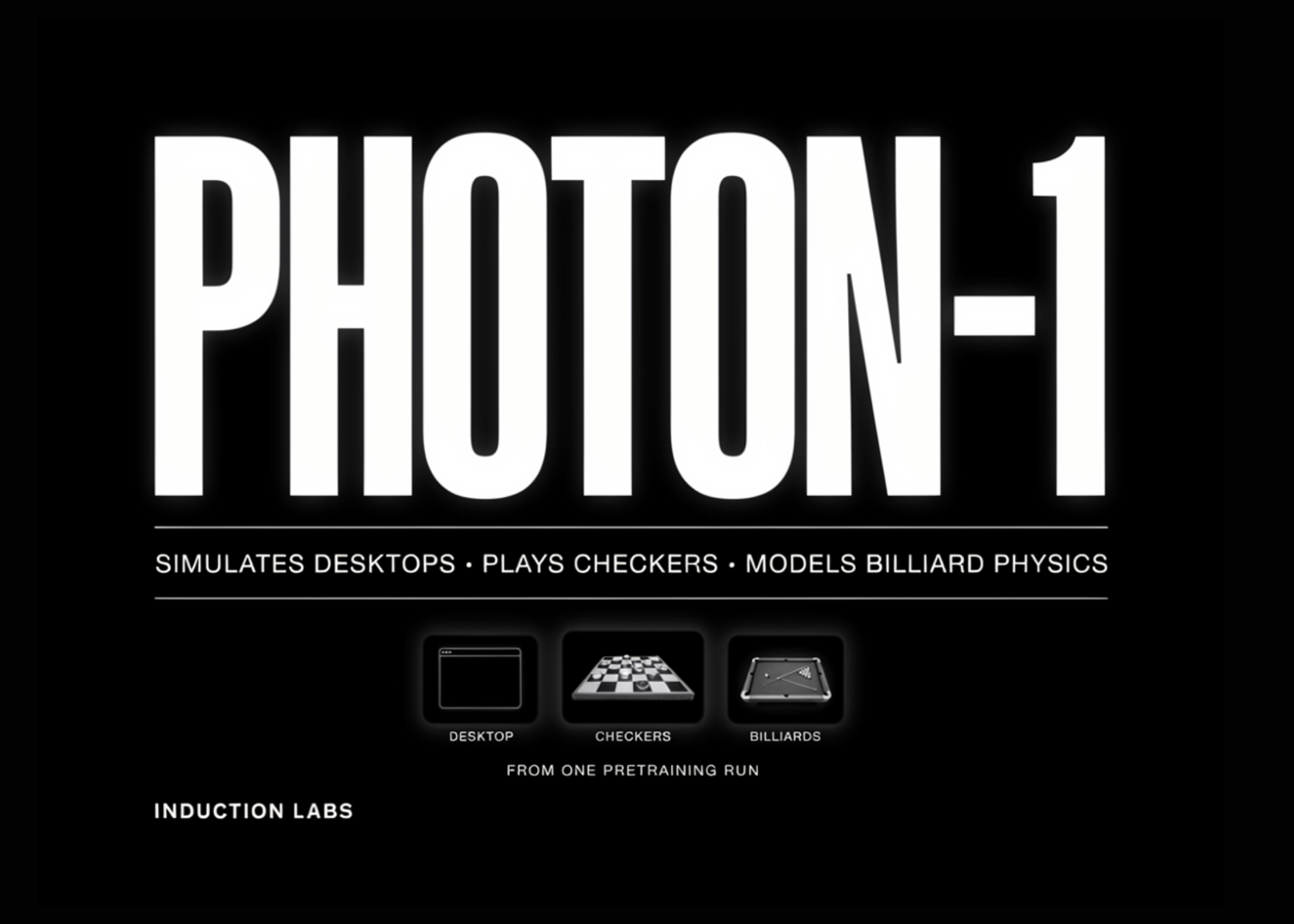
Induction Labs Photon-1 Simulates Desktops, Plays Checkers, and Models Billiard Physics From One Pretraining Run
Most agents that learn from video need to know what action produced each frame. Induction Labs is arguing that this requirement is the bottleneck. Last week, they released imagination models, a foundation model architecture that pretrains on raw video with no action labels at all. Their test system is Photon-1, a sparse 106B-A5B mixture-of-experts (MoE) transformer trained on 18 years of computer demonstration video. On an internal computer use benchmark, Induction Labs reports that Photon-1