PrismML Releases Bonsai 27B: 1-bit and Ternary Builds of Qwen3.6-27B That Run on Laptops and Phones
PrismML just released Bonsai 27B. It is a low-bit representation of Qwen3.6-27B, not a new pretrain. The architecture is unchanged. Two variants ship under Apache 2.0. Ternary Bonsai 27B uses {−1, 0, +1} weights at a true 1.71 bits per weight. Its ideal size is 5.9GB. 1-bit Bonsai 27B uses binary {−1, +1} weights at 1.125 bits per weight, for 3.9GB. Both are multimodal. The split is ~24.8B language weights, a 0.46B vision tower, and 2.5B in embeddings and the LM head. The vision tower is
Make your prediction
Will PrismML's Bonsai 27B model appear on Hugging Face by July 18, 2026?
Resolves by Jul 18, 2026
Your prediction
50% · 50/50 coin flip
NOYES
Get smart on it
PrismML released Bonsai 27B, a compressed version of an existing model that uses either 1-bit or ternary (three-value) weights instead of standard floating-point representation, reducing file sizes to between 3.9GB and 5.9GB. The ternary variant retains 94.6 percent of the original model's performance while the 1-bit variant retains 89.5 percent, making these versions small enough to run on laptops and phones where memory constraints are severe. The compression works by representing each weight as a code with a shared scale factor per group of 128 weights, reducing the bits needed per weight from 16 to either 1.71 bits (ternary) or 1.125 bits (binary). Both variants are multimodal, support a 262K-token context window, and are released under Apache 2.0 with code available on standard platforms like llama.cpp and MLX.
Related news
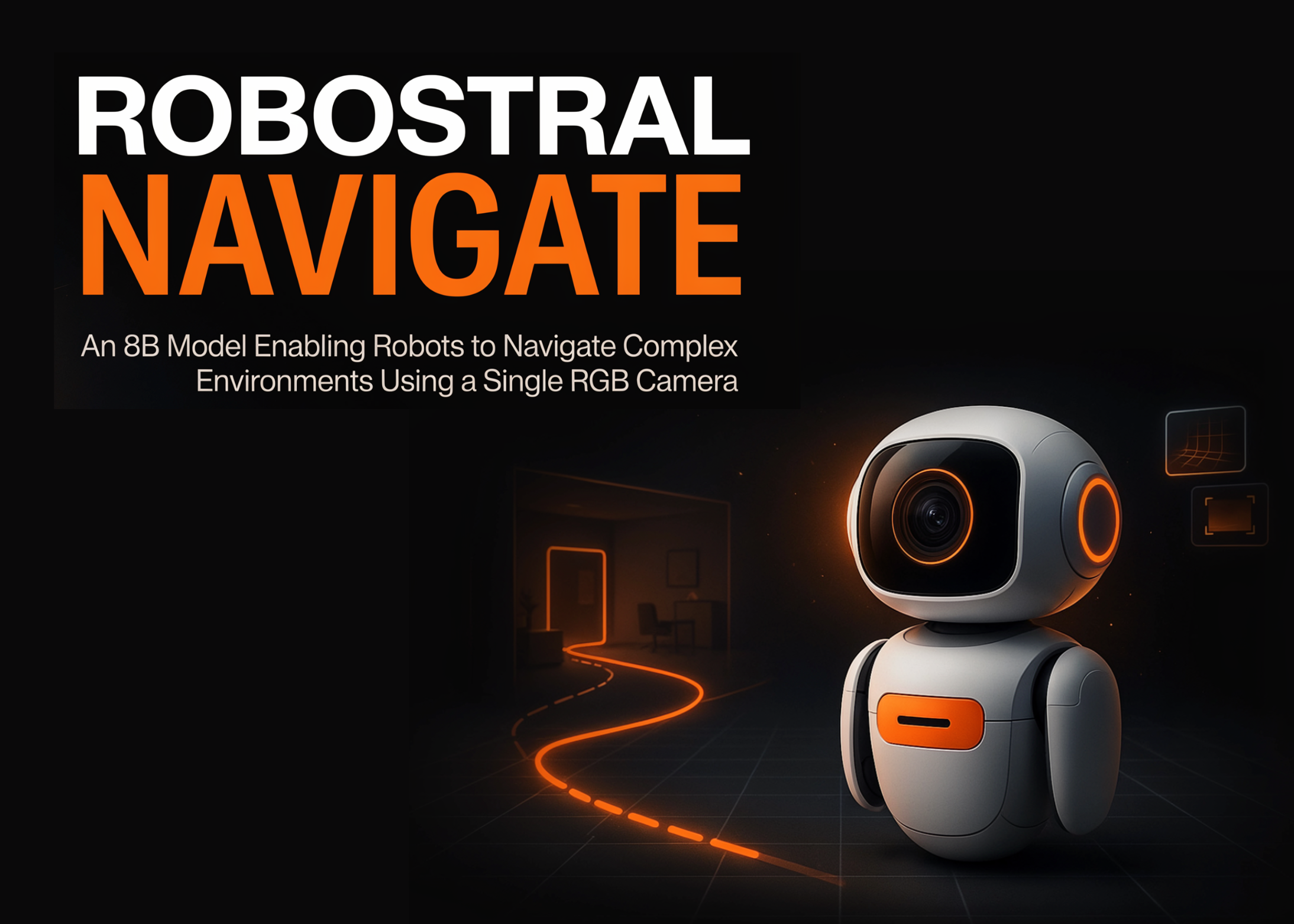
Mistral AI Releases Robostral Navigate: An 8B Model Enabling Robots to Navigate Complex Environments Using a Single RGB Camera
Mistral AI has released Robostral Navigate, its first model built for embodied navigation. The 8B model takes RGB images and a plain-language instruction, then moves a robot. Notably, it reaches 76.6% success on R2R-CE validation unseen using only a single RGB camera. What is Robostral Navigate? Robostral Navigate is an 8B model for robotic navigation through complex environments. These environments include offices, residential buildings, commercial buildings, and outdoor settings. You gi

Simulating everything, sort of: The promise and limits of world models
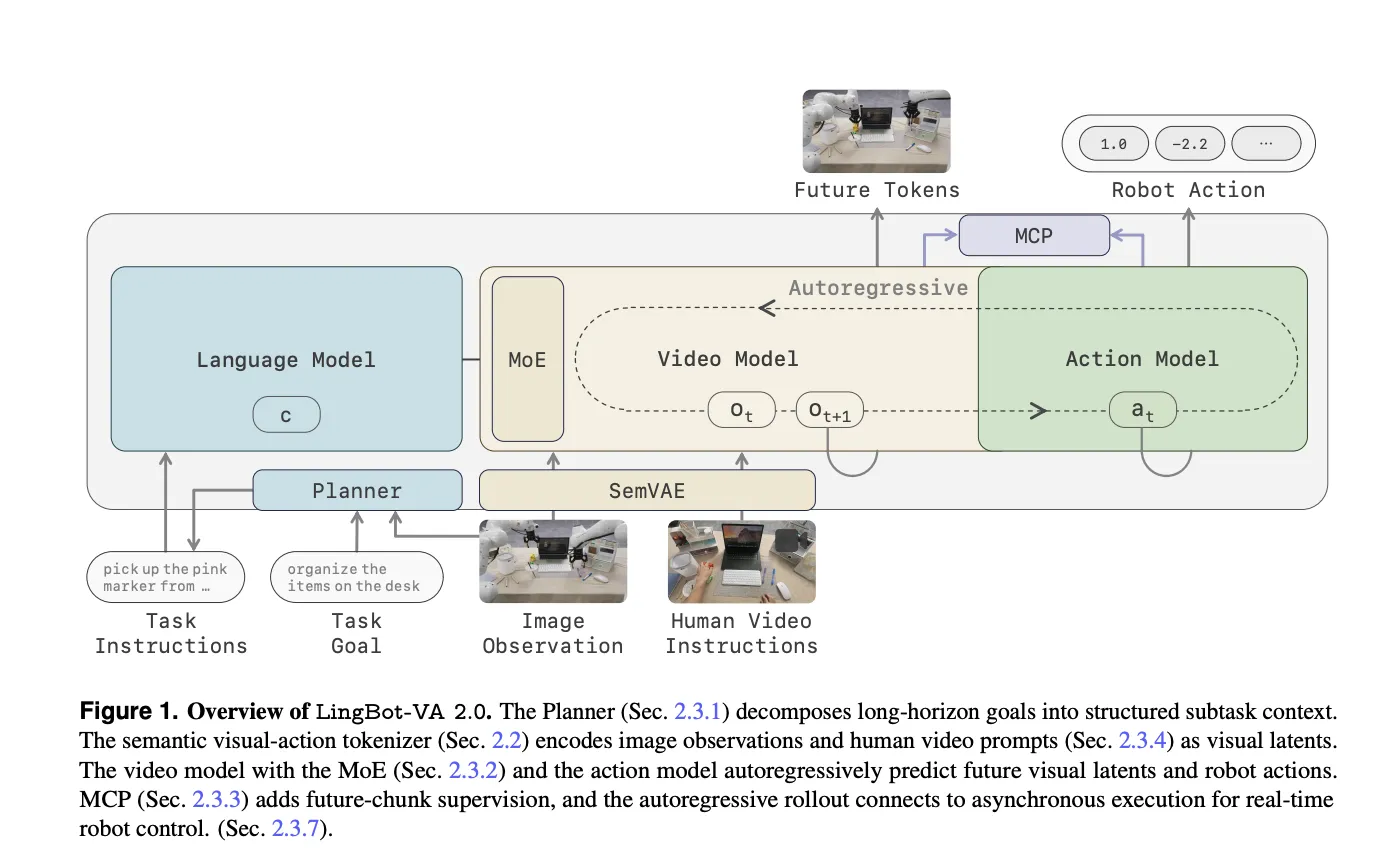
Over the past few years, many of us have gotten a crash course in what we now call artificial intelligence—but really, it has mostly been a crash course in large language models. Increasingly, however, LLMs are no longer the only category of AI drawing high expectations, massive funding rounds, and significant research and product development. Over the past year, we've seen a plethora of new announcements in a category labeled "world models," and you'll likely see more movement there in the comi