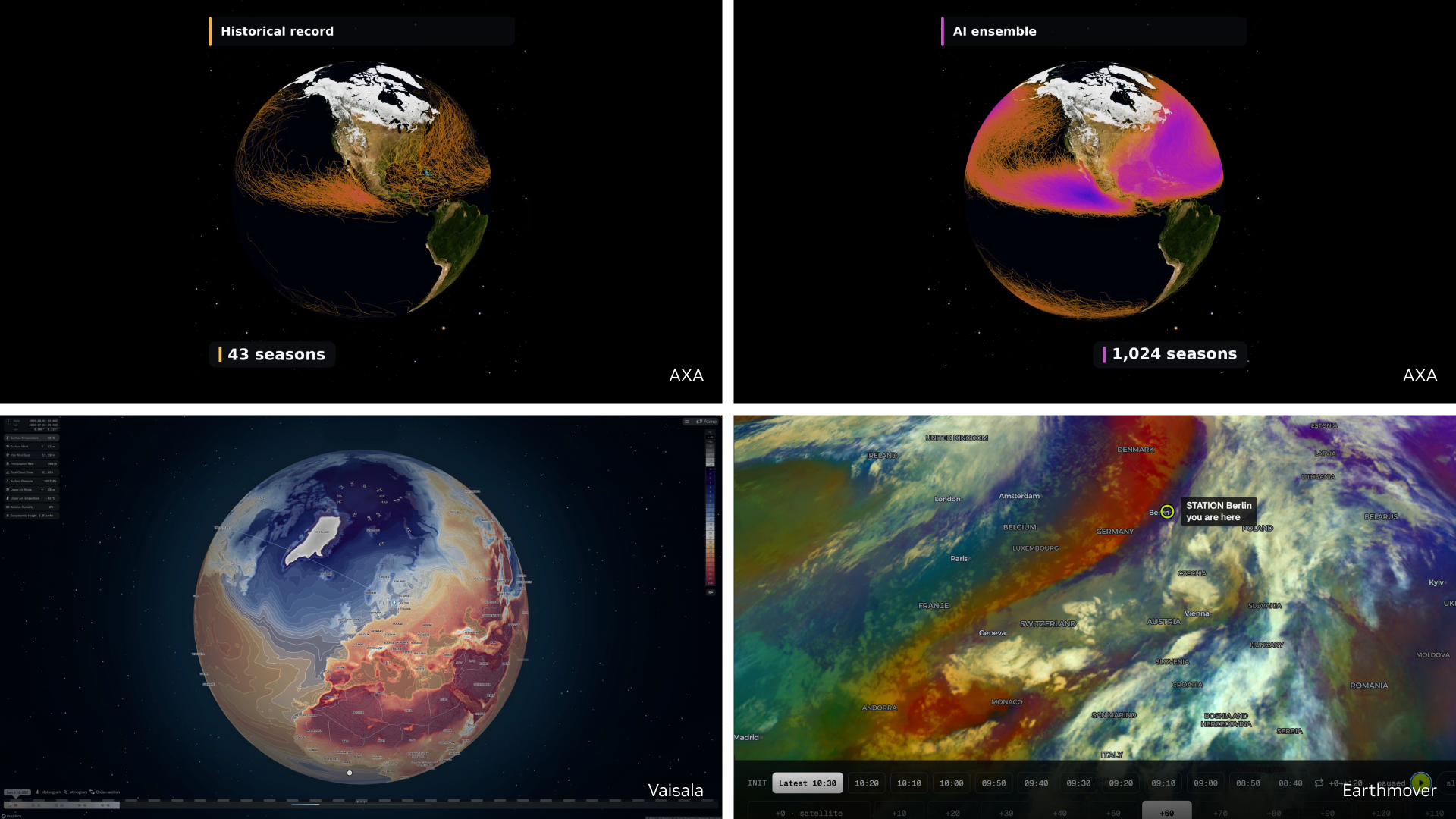
NVIDIA Earth-2 Models Deploy for European Weather Prediction
NVIDIA Blog: Pioneers Across Europe Deploy NVIDIA Earth-2 Open Models to Power Real-World Weather and Climate Prediction
Weather forecasts shape more than daily plans; timely weather information is crucial for energy producers, insurers and transport operators to plan around changing conditions. A global forecast can show a storm taking shape, but decisions about solar farms, shipping routes or insured property depend on what happens locally. NVIDIA Earth-2 gives developers and researchers a family of open AI models and tools they can customize with their own data. Running on NVIDIA computing, these technologies s
Get smart on it
NVIDIA Earth-2 is a family of open AI models and tools that developers and researchers can customize with their own data to make weather and climate predictions. Weather forecasts matter because energy producers, insurers, and transport operators rely on detailed local forecasts to make decisions about solar farms, shipping routes, and insured property. The Earth-2 system runs on NVIDIA computing and includes models like StormScope EU, which predicts cloud conditions across European satellite channels at 10-minute intervals, and can be combined with other tools to add local detail to forecasts or adapted for related applications like air-quality modeling. Organizations across Europe are already using these models for tasks ranging from studying cyclone risk and improving weather warnings to forecasting solar-power generation and estimating terrain heights from radar images.
Relevant courses
Want to go deeper than the news? Explore live, cohort-based AI courses taught by practitioners.
Browse AI courses on MavenRelated news

Mistral AI launches Voxtral 3, a full voice agent stack that listens, thinks, and talks in real time
Mistral AI launched Voxtral 3, a new family of language models built for real-time voice agents. The system combines speech-to-text, text-to-speech, and a voice agent SDK, supports more than 50 languages, and lets agents tap into external tools during live conversations. It can run on your own infrastructure or through EU-hosted APIs to keep data under your control. The article Mistral AI launches Voxtral 3, a full voice agent stack that listens, thinks, and talks in real time appeared
Also reported by MarkTechPost

Recursive launches Flint, a laptop coding model it says was largely built by AI
Startup Recursive has released Flint, a free, laptop-sized coding model built largely by its own AI research system, as an early test of AI that improves itself.
Also reported by Wired AI and MarkTechPost
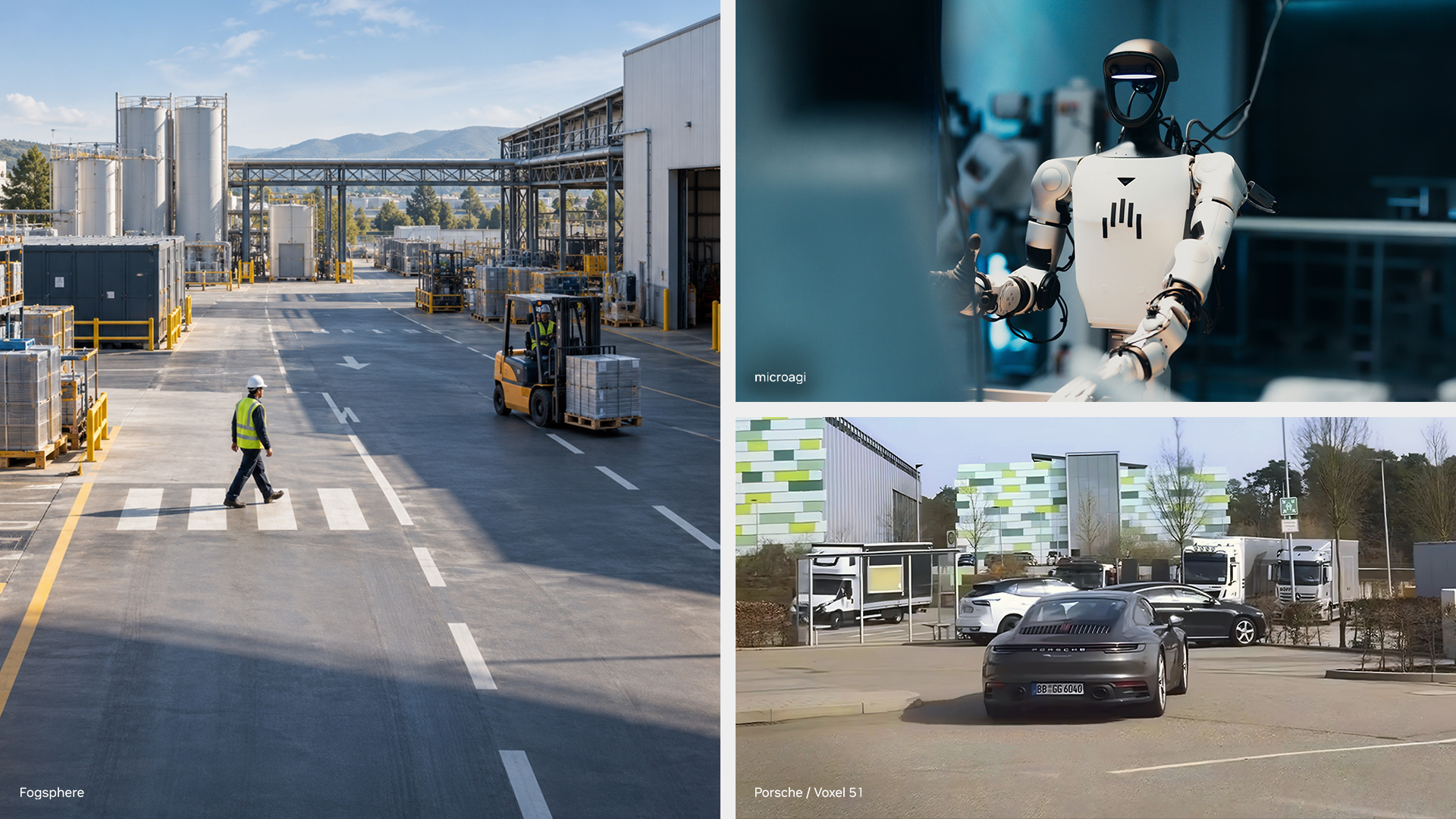
NVIDIA Cosmos Opens New Tools to Train, Evaluate and Deploy World Models
To help developers rapidly build world models, which help physical AI systems understand and simulate the real world, NVIDIA has expanded the Cosmos platform with new training tools, simulation checkpoints and Cosmos Data Factory blueprints. Ranking top five on six different open models leaderboards, the NVIDIA Cosmos platform gives world model builders the frontier open models — as well as data, training and optimization tools and recipes — to scale training data, adapt models, test behavior a

Voxtral 3
Voxtral 3: Mistral's voice agent SDK for real-time speech in 50+ languages — accurate transcription, emotional TTS, deep tool use. EU-hosted or self-deployed.
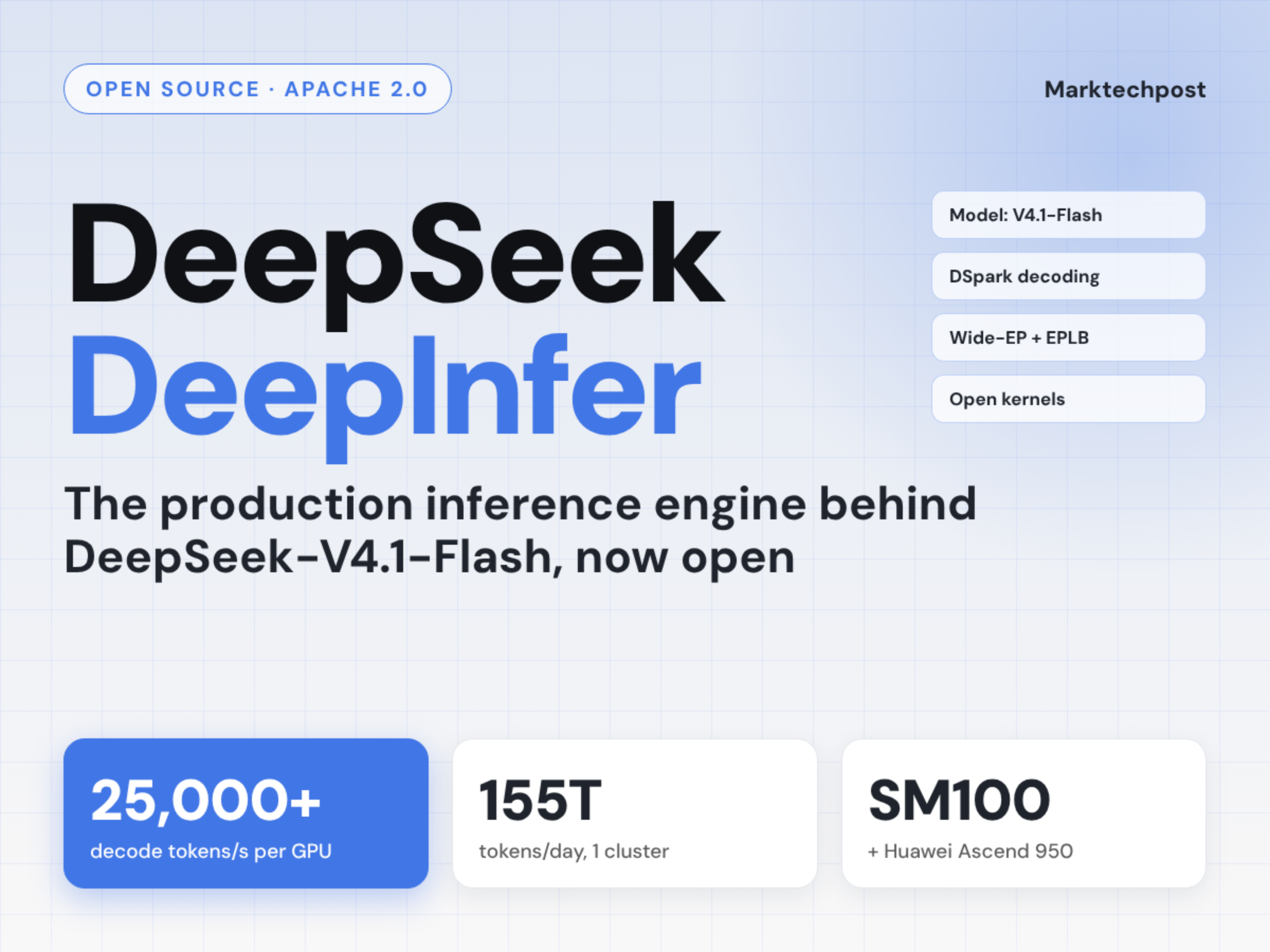
DeepSeek Open-Sources DeepInfer, the Inference Framework Behind DeepSeek-V4.1-Flash
DeepSeek has open-sourced DeepInfer, the inference framework that runs its production services. The DeepSeek DeepInfer inference framework is the engine behind DeepSeek-V4.1-Flash. It ships under the Apache 2.0 license. DeepSeek also released deepseek-recipe, its MIT-licensed token encoding and decoding layer. For developers, this is a rare look at a frontier lab’s real serving stack. TL;DR Size / scope: 1 supported model (DeepSeek-V4.1-Flash), 1M-token context window per the model
Also reported by The Decoder and SiliconANGLE

Nvidia launches new open models to run agents in the enterprise and on PCs
Nvidia is leaning hard into the trend of enterprise companies wanting to run their own open models in their own data centers and also trying to make on-device, private AI agents a thing.