Mythos attack on 3rd-round PQC algorithm candidate puts it out of commission
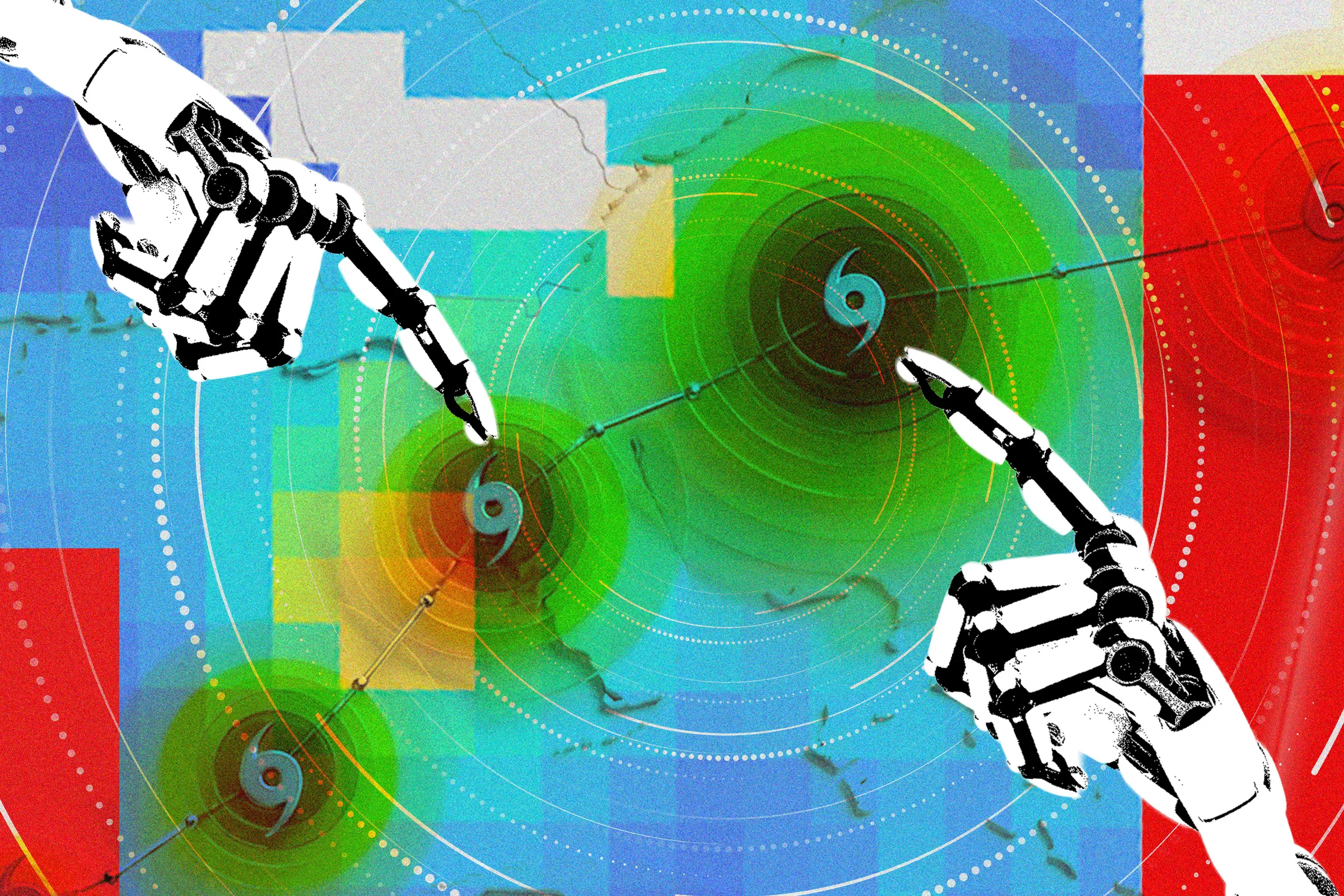
A quantum-resistant cryptography algorithm that was under consideration as an official US standard has been taken out of the running after an Anthropic security model helped find a flaw that rendered it broken. The algorithm is known as HAWK. It's a digital signature scheme designed to withstand future attacks from quantum computers. HAWK had survived two rounds of testing by NIST (the National Institute of Standards and Technology) for evaluating the security of PQC (post-quantum cryptographic)
Get smart on it
An AI security model discovered a previously unknown flaw in HAWK, a quantum-resistant cryptography algorithm that was being evaluated as a potential US standard. The flaw allows attackers to reduce the key strength of HAWK by half, making it less secure than competing algorithms and causing its developer to withdraw it from consideration. This matters because it demonstrates that AI can find weaknesses in cryptographic systems by combining existing mathematical methods in novel ways, which could signal important advances in breaking cryptography used for privacy and security. The discovered weakness is considered significant because HAWK had survived years of testing without revealing this fatal flaw, yet it was uncovered during a third round of evaluation designed to catch exactly these kinds of problems.
Related news

Pokee AI Releases Pokee-Isaac 28B: A 10M-Token Context Agentic Model Built to Run Inside the Customer Boundary
Long-horizon agents accumulate context faster than they resolve tasks. Every tool output, observation, and intermediate reasoning step stays in the window, and the two capabilities that matter — holding that context and staying coherent across it — have so far been available almost exclusively from cloud endpoints. That excludes regulated industries, public-sector institutions, and on-device applications, where the data is not permitted to leave the boundary at all. Pokee AI released Pokee-Isaa
Mistral AI Releases Shieldstral 1.0 3B: An Open-Weights Policy-Adaptive Multimodal Safety Classifier Matching Models 7× Its Size
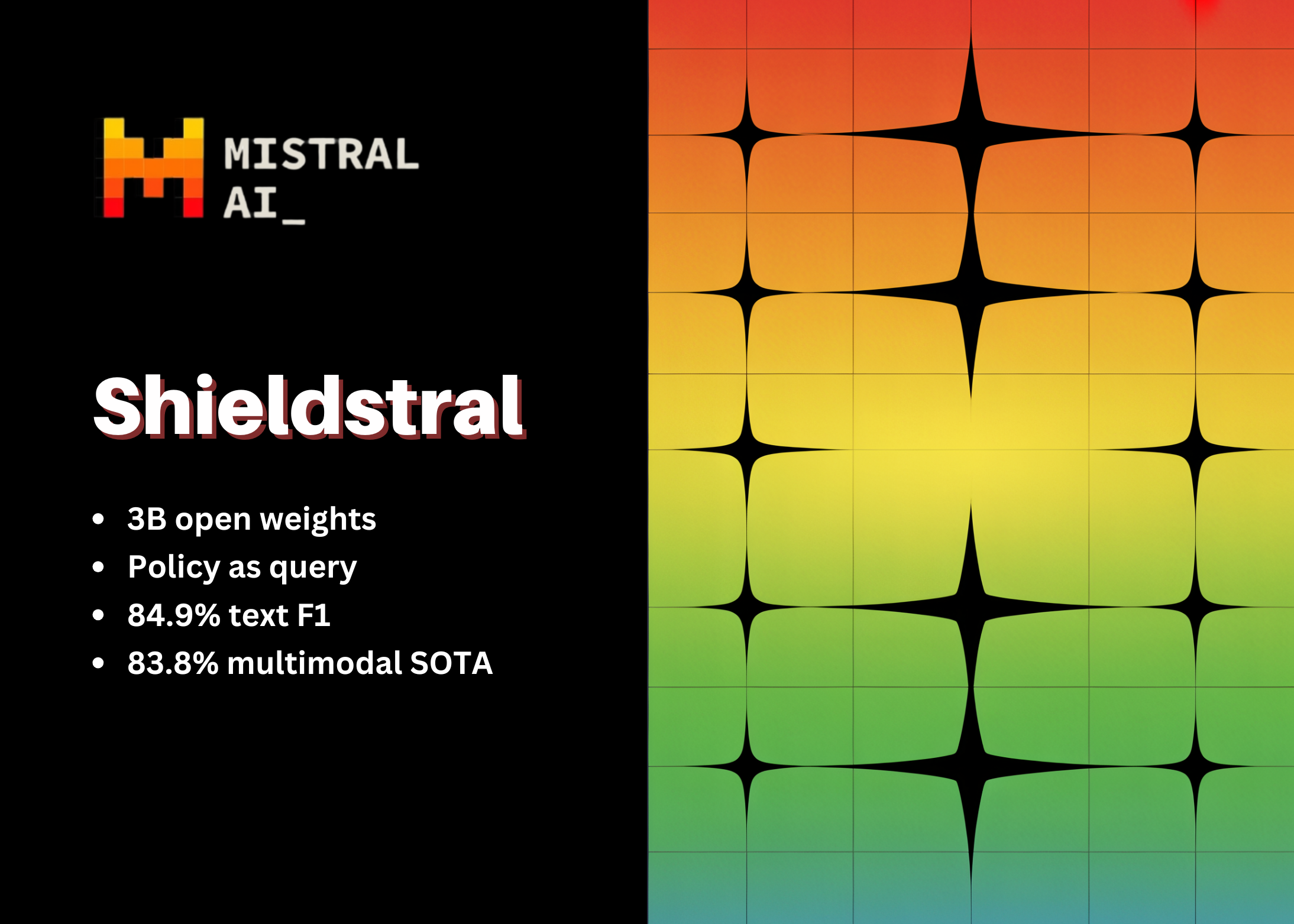
Mistral AI has released Shieldstral 1.0 3B, an open-weights, policy-adaptive multimodal safety classifier that treats content moderation as a single yes/no question rather than a fixed taxonomy of harm categories. Most guardrail models bake their category list into the weights, so re-targeting one to a new deployment context means retraining — and the same content can be acceptable on a cybersecurity research tool while being harmful on a mental-health platform. Shieldstral inverts that: operat