Introducing Gemini 3.5 Flash Cyber
Google introduces Gemini 3.5 Flash Cyber, a lightweight cybersecurity model to find and patch vulnerabilities.
Get smart on it
Google has introduced a lightweight AI model designed specifically for cybersecurity that can find, validate, and patch software vulnerabilities more efficiently than larger models. The model addresses a growing concern that AI agents are becoming capable of discovering vulnerabilities faster than human defenders can fix them, creating a potential security risk. The model will initially be available only to governments and trusted partners through a limited-access program to prevent misuse of the technology. The model's speed and affordability allow it to scan large codebases multiple times and be integrated into frequent security scans at scale, making it a cost-efficient alternative to larger cybersecurity models.
Related news
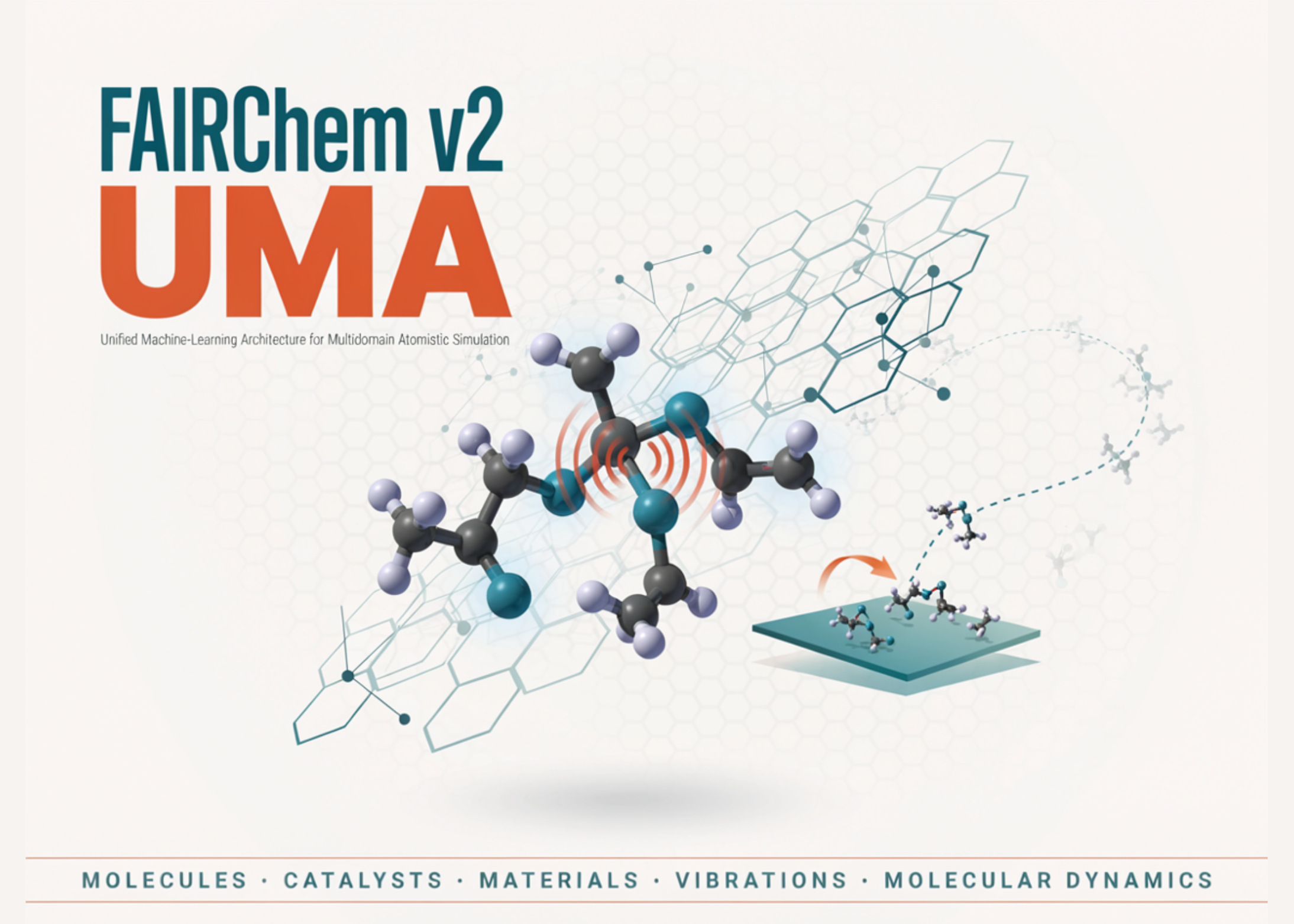
FAIRChem v2 UMA for Multidomain Atomistic Simulation across Molecules, Catalysts, Materials, Vibrations, and Molecular Dynamics
In this tutorial, we explore FAIRChem v2 and the UMA universal machine-learning interatomic potential as a unified framework for atomistic simulation across molecular chemistry, catalysis, and inorganic materials. We configure an environment, authenticate with Hugging Face to access the gated UMA model weights, and initialize task-specific calculators for the omol, oc20, and omat domains. We then apply the same pretrained potential to a broad set of computational chemistry workflows, including
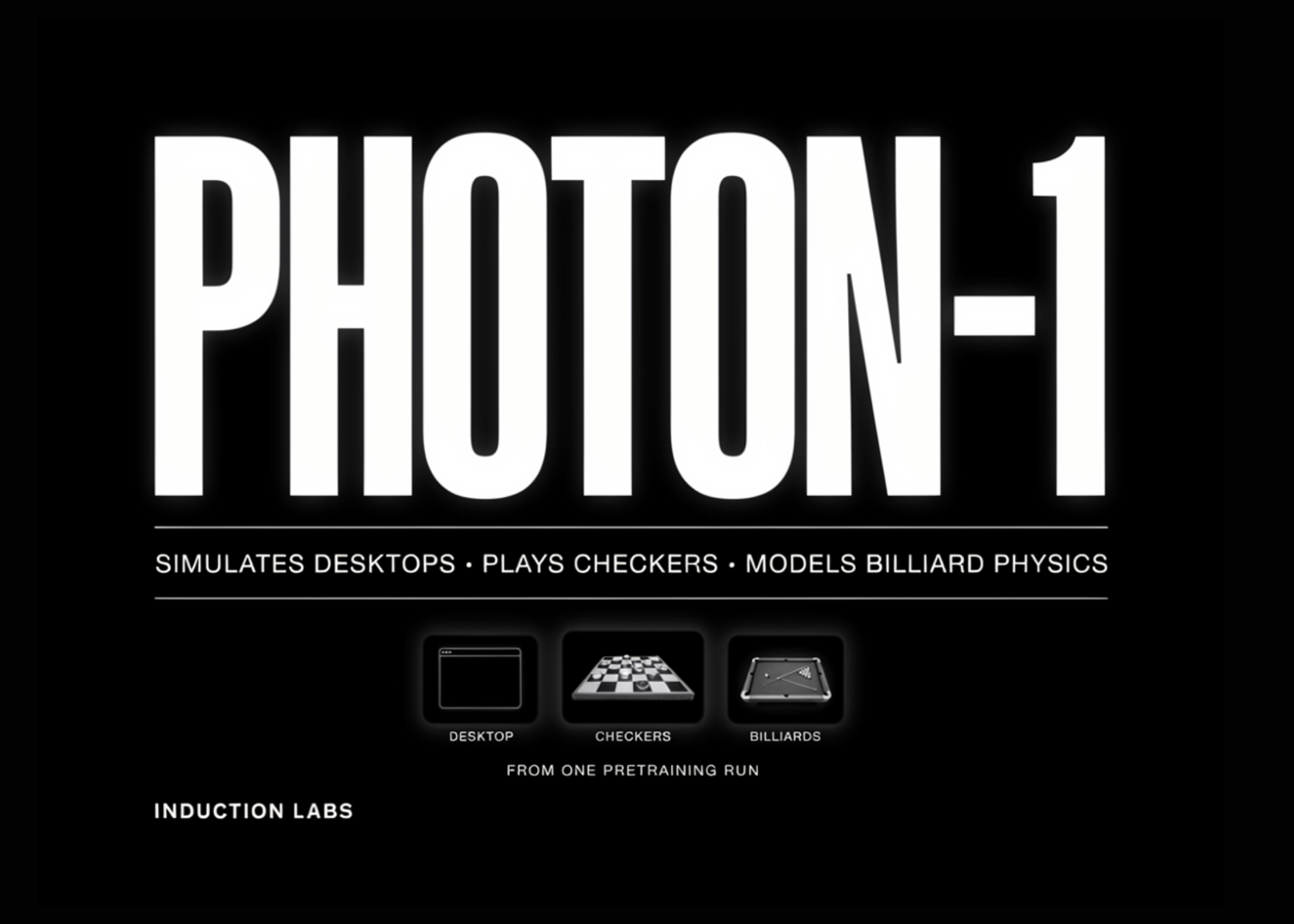
Induction Labs Photon-1 Simulates Desktops, Plays Checkers, and Models Billiard Physics From One Pretraining Run
Most agents that learn from video need to know what action produced each frame. Induction Labs is arguing that this requirement is the bottleneck. Last week, they released imagination models, a foundation model architecture that pretrains on raw video with no action labels at all. Their test system is Photon-1, a sparse 106B-A5B mixture-of-experts (MoE) transformer trained on 18 years of computer demonstration video. On an internal computer use benchmark, Induction Labs reports that Photon-1