Google announces Gemini 3.6 Flash and cybersecurity AI, teases 3.5 Pro and Gemini 4
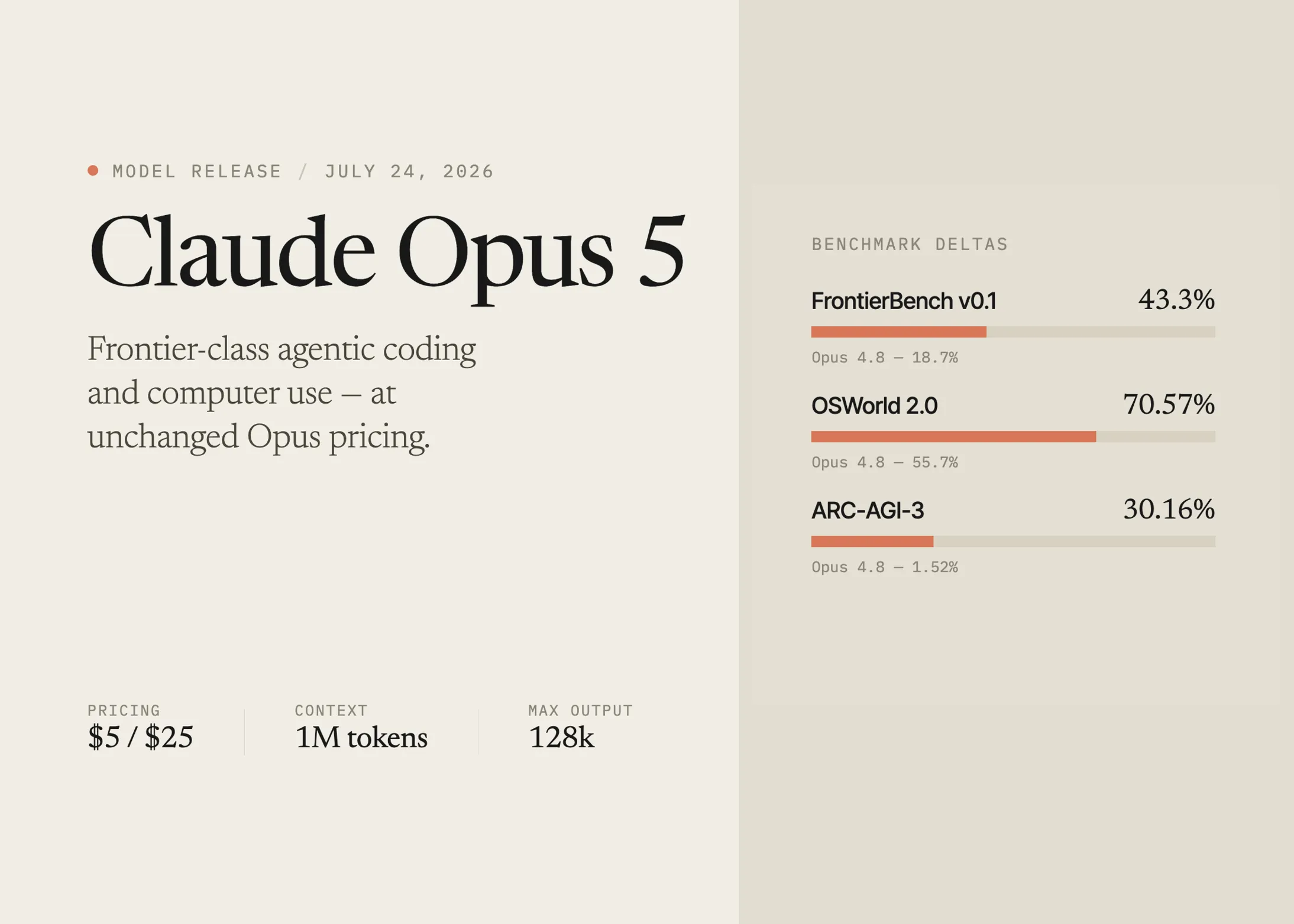
Google announced a significant evolution of its AI models at I/O in May with the release of Gemini 3.5 Flash, and it's not slowing down. The company revealed three new AI models today, including its first version of Gemini geared toward cybersecurity. However, none of the new models is the delayed Gemini 3.5 Pro, which was supposed to launch in June. Gemini 3.5 Flash, which was the star of the show at I/O, has already been deprecated. In its place, developers and users will find Gemini 3.6 Flash
Get smart on it
Google released three new AI models, including an updated fast model with improved coding performance and efficiency, a lightweight version designed for cost-effectiveness, and its first cybersecurity-focused model. The faster model costs less to use than its predecessor while delivering better results, and the cybersecurity model will initially be available only to trusted partners due to dual-use concerns. Google's delayed flagship model remains in testing with unnamed partners, while the company has also begun training an even more ambitious next-generation model with no announced timeline.
Related news

FAIRChem v2 UMA for Multidomain Atomistic Simulation across Molecules, Catalysts, Materials, Vibrations, and Molecular Dynamics
In this tutorial, we explore FAIRChem v2 and the UMA universal machine-learning interatomic potential as a unified framework for atomistic simulation across molecular chemistry, catalysis, and inorganic materials. We configure an environment, authenticate with Hugging Face to access the gated UMA model weights, and initialize task-specific calculators for the omol, oc20, and omat domains. We then apply the same pretrained potential to a broad set of computational chemistry workflows, including
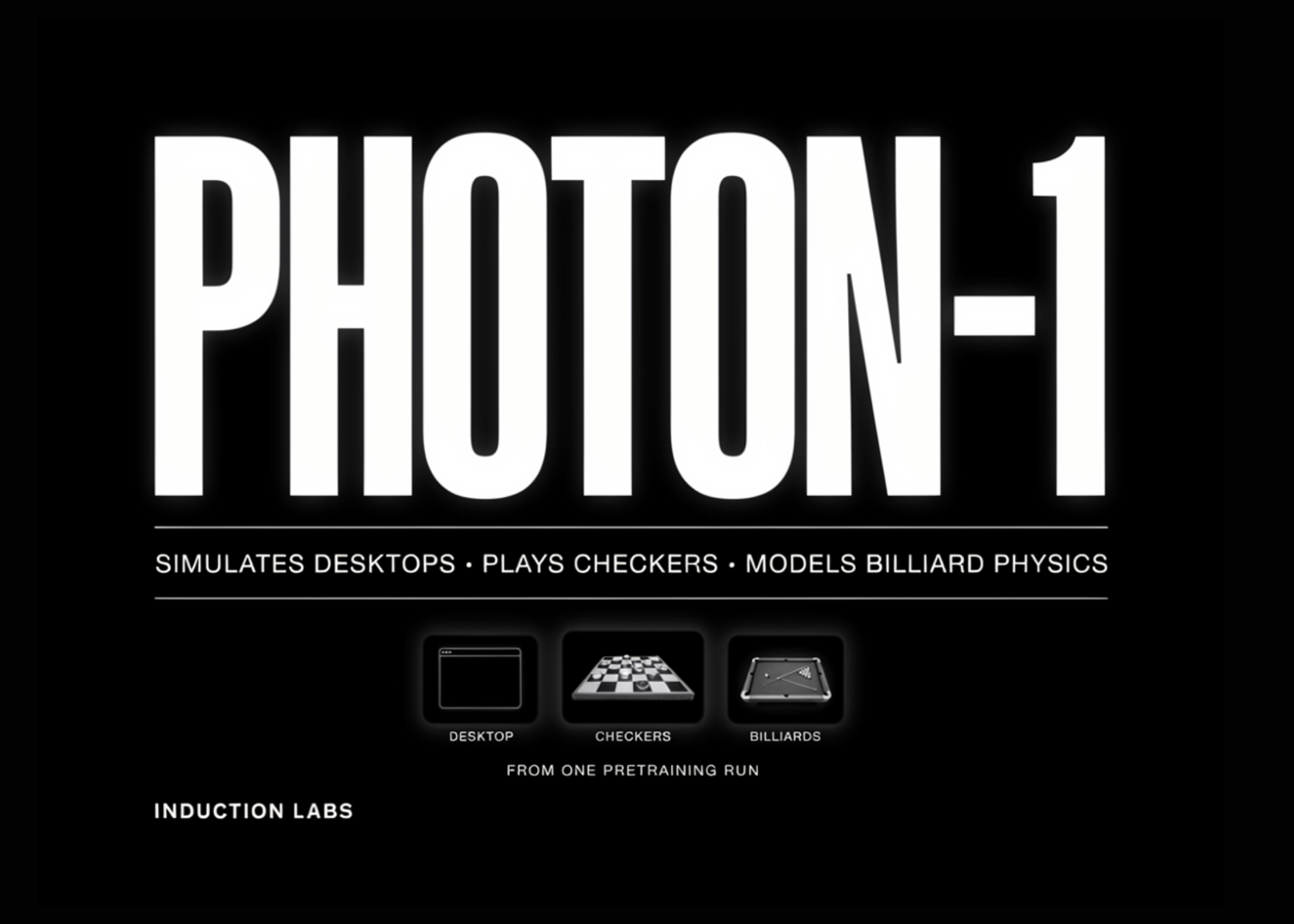
Induction Labs Photon-1 Simulates Desktops, Plays Checkers, and Models Billiard Physics From One Pretraining Run
Most agents that learn from video need to know what action produced each frame. Induction Labs is arguing that this requirement is the bottleneck. Last week, they released imagination models, a foundation model architecture that pretrains on raw video with no action labels at all. Their test system is Photon-1, a sparse 106B-A5B mixture-of-experts (MoE) transformer trained on 18 years of computer demonstration video. On an internal computer use benchmark, Induction Labs reports that Photon-1