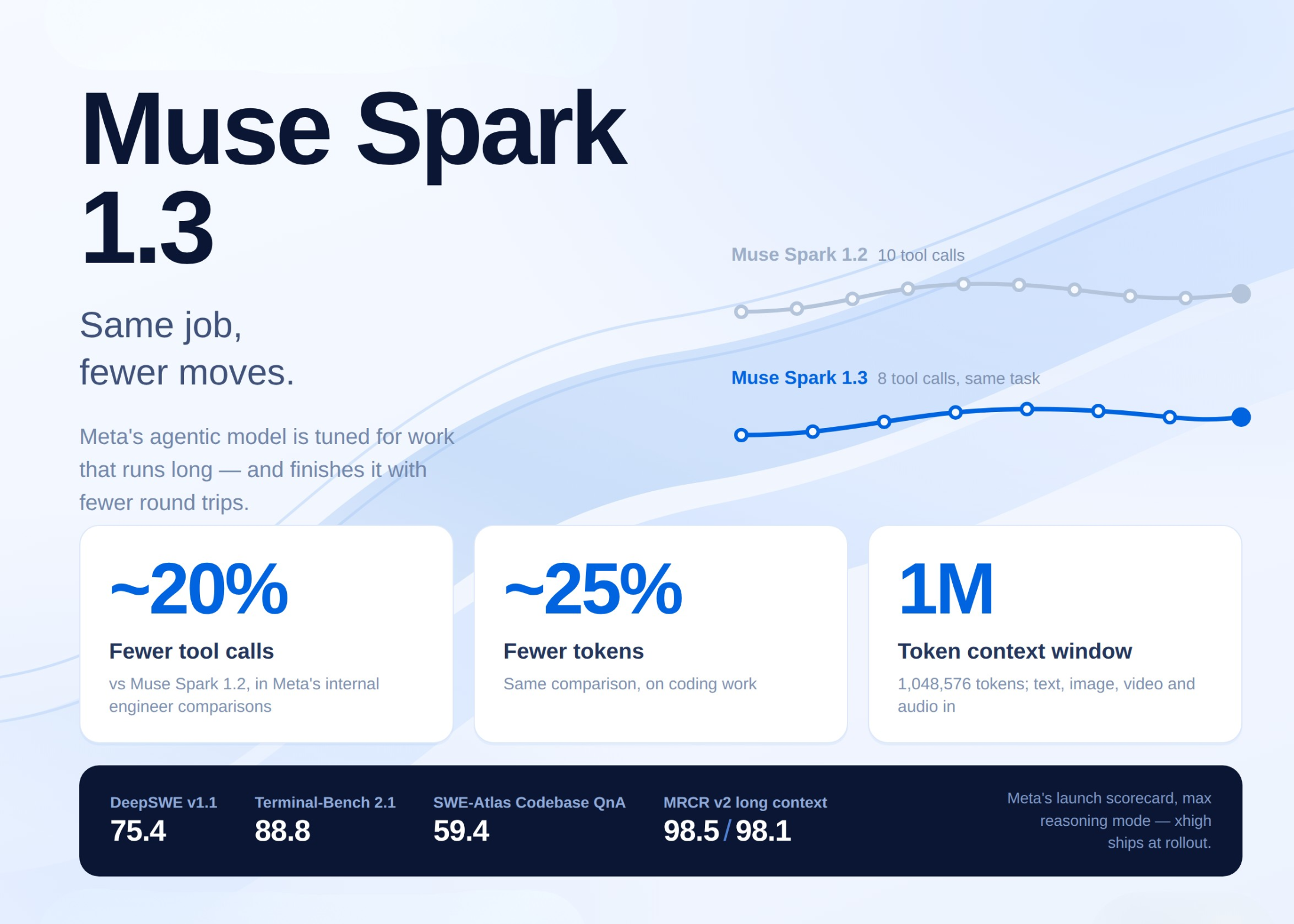
Fine-tuning a 350M Model for Better Structured Outputs in 100 GRPO Steps
Smaller models can match larger systems' performance on specific tasks through efficient training, potentially reducing computational costs.
Get smart on it
Fine-tuning is a technique to improve an AI model's performance on specific tasks. This guide demonstrates how to fine-tune a small 350-million-parameter model to better produce structured outputs like JSON and YAML that follow required formats and schemas, which is important because real-world systems often need AI models to return data in exact, parseable formats. The authors used a training method called Group Relative Policy Optimization with about 500 training samples and 100 steps, which improved the model's structured output compliance from 22.6% to 29.7% on a benchmark test, and this process is small enough to run on free cloud computing resources.
Related news
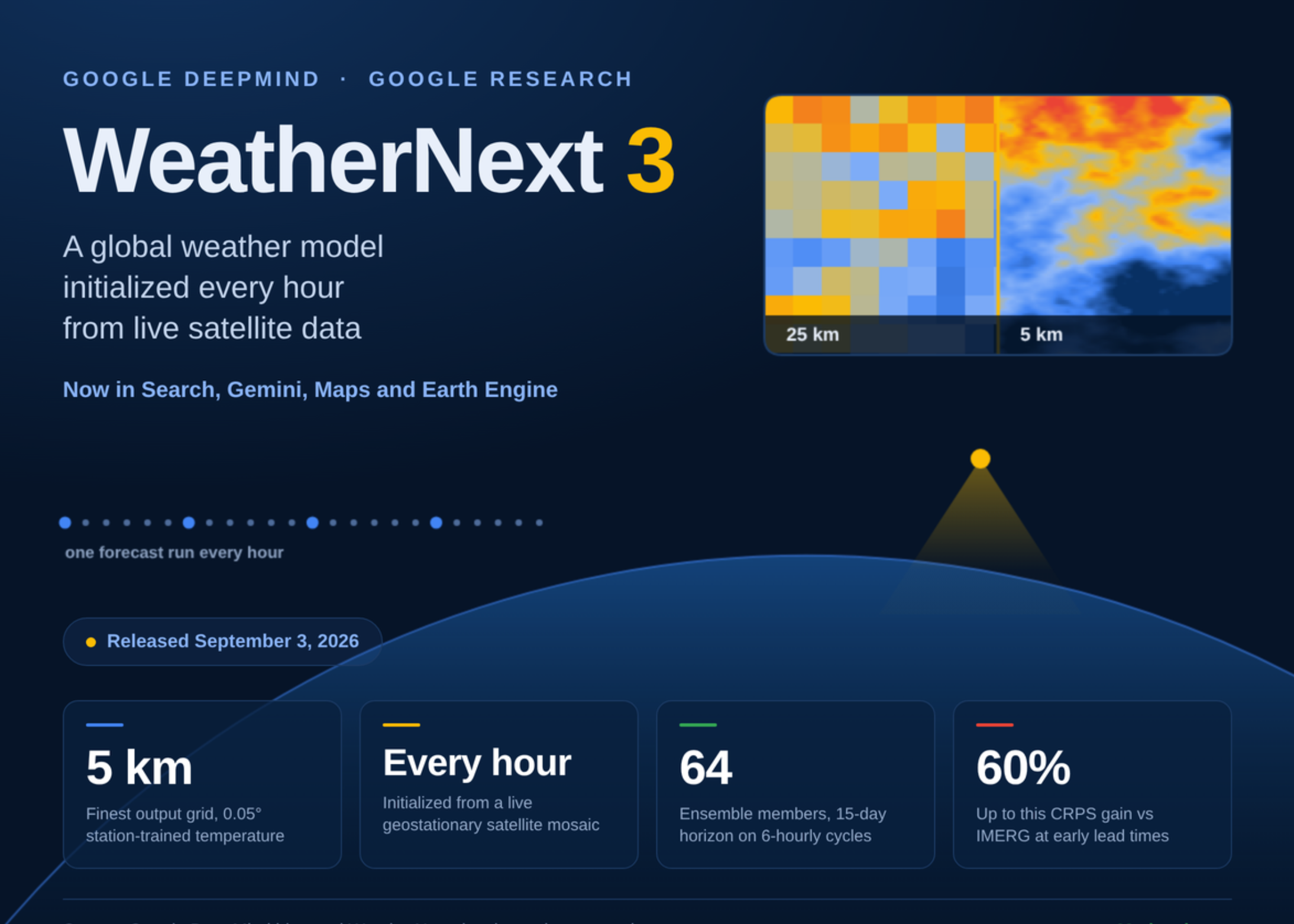
Google DeepMind’s WeatherNext 3 Trains on Weather Station Observations to Deliver 5 km Global Forecasts, Refreshed Every Hour
AI weather models have spent three years closing the gap with physics-based forecasting, but two problems stayed open: resolution too coarse for local terrain, and initialization tied to numerical weather prediction (NWP) analysis that arrives about six hours late. WeatherNext 3, released by Google DeepMind and Google Research, attacks both. It takes a live global geostationary satellite mosaic as a direct model input, re-initializes every hour, and emits forecasts down to 0.05° (~5 km) while t
OpenAI Releases GPT-6 Astra: A 1.05M-Context Computer-Use Model Gated Behind a ‘Critical’ Cyber Threshold
Today, OpenAI released GPT-6 Astra. The company calls it its most intelligent and aligned model, and positions it primarily as a computer-use system rather than a chat model. The pitch is that Astra operates software the way a person does, across browsers, spreadsheets, desktop applications and terminals, and finishes multi-step jobs instead of describing how to do them. Is it deployable? Partly, and not on your own hardware. Astra is a closed, hosted model with no released weights, so self