Feyn AI Releases SQRL, a Text-to-SQL Model Family That Inspects the Database Before Writing a Query
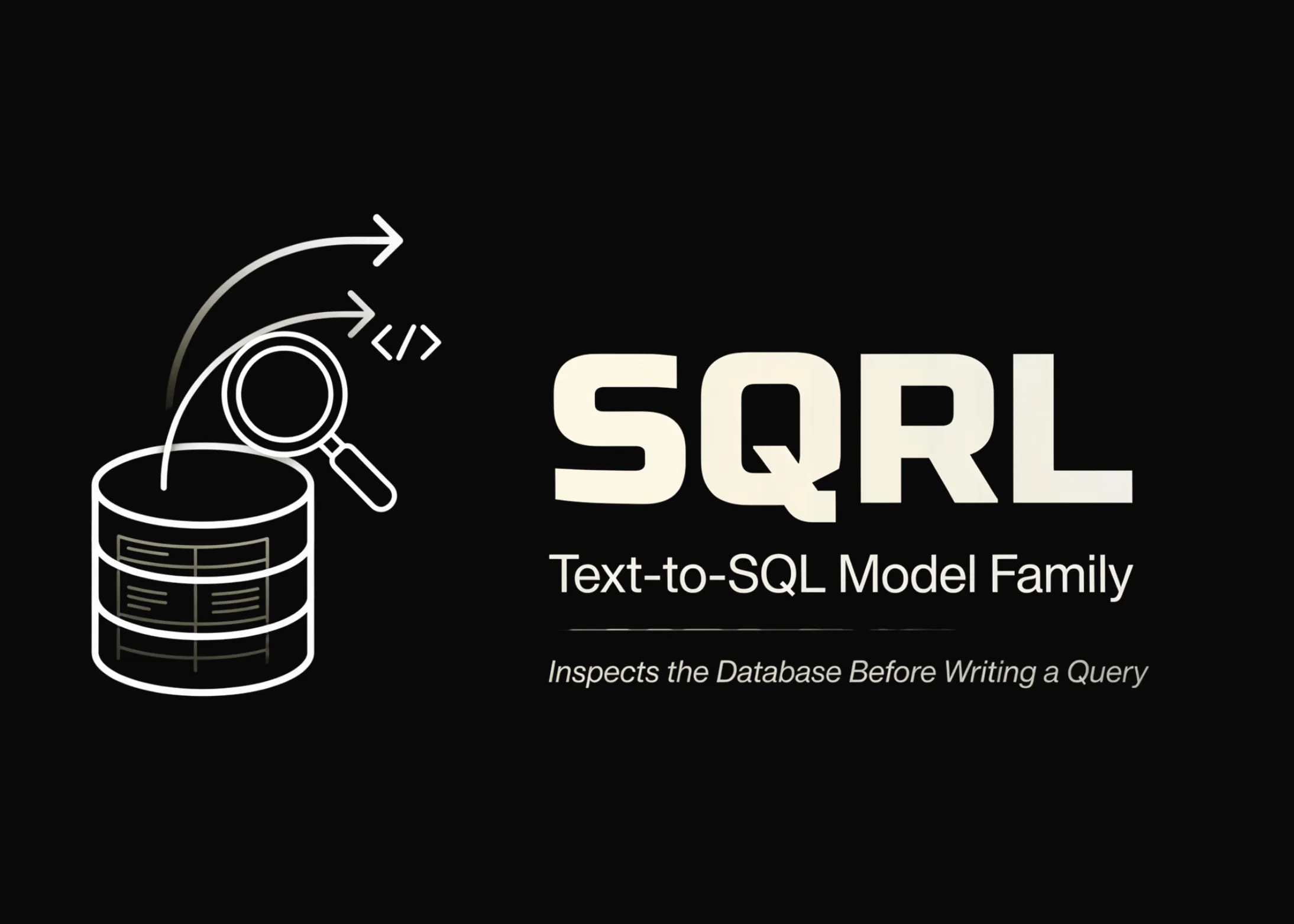
Most text-to-SQL systems treat the task as translation. Feyn AI (YC-backed startup) reframes it around inspection. The Feyn team has released SQRL, a family of models that turn natural language questions into SQL. Instead of generating a query immediately, SQRL can inspect the database first. This lets it resolve ambiguity and write only queries the data actually supports. Feyn team reports that the flagship SQRL-35B-A3B reaches 70.6% execution accuracy on BIRD Dev. That figure edges Claude
Get smart on it
SQRL is a family of text-to-SQL models that converts natural language questions into database queries by first inspecting the database when needed, rather than generating queries immediately. Traditional text-to-SQL systems treat the task as direct translation, but SQRL's approach resolves ambiguity by using read-only database lookups to gather information about actual data values and structure before writing the final query. This matters because a SQL query can be syntactically correct yet return wrong results by joining incorrect tables or misinterpreting ambiguous column names, errors that schema information alone cannot prevent. The flagship model reaches 70.6% accuracy on the BIRD Dev benchmark, outperforming Claude Opus 4.6, with three smaller checkpoints also released openly.
Related news
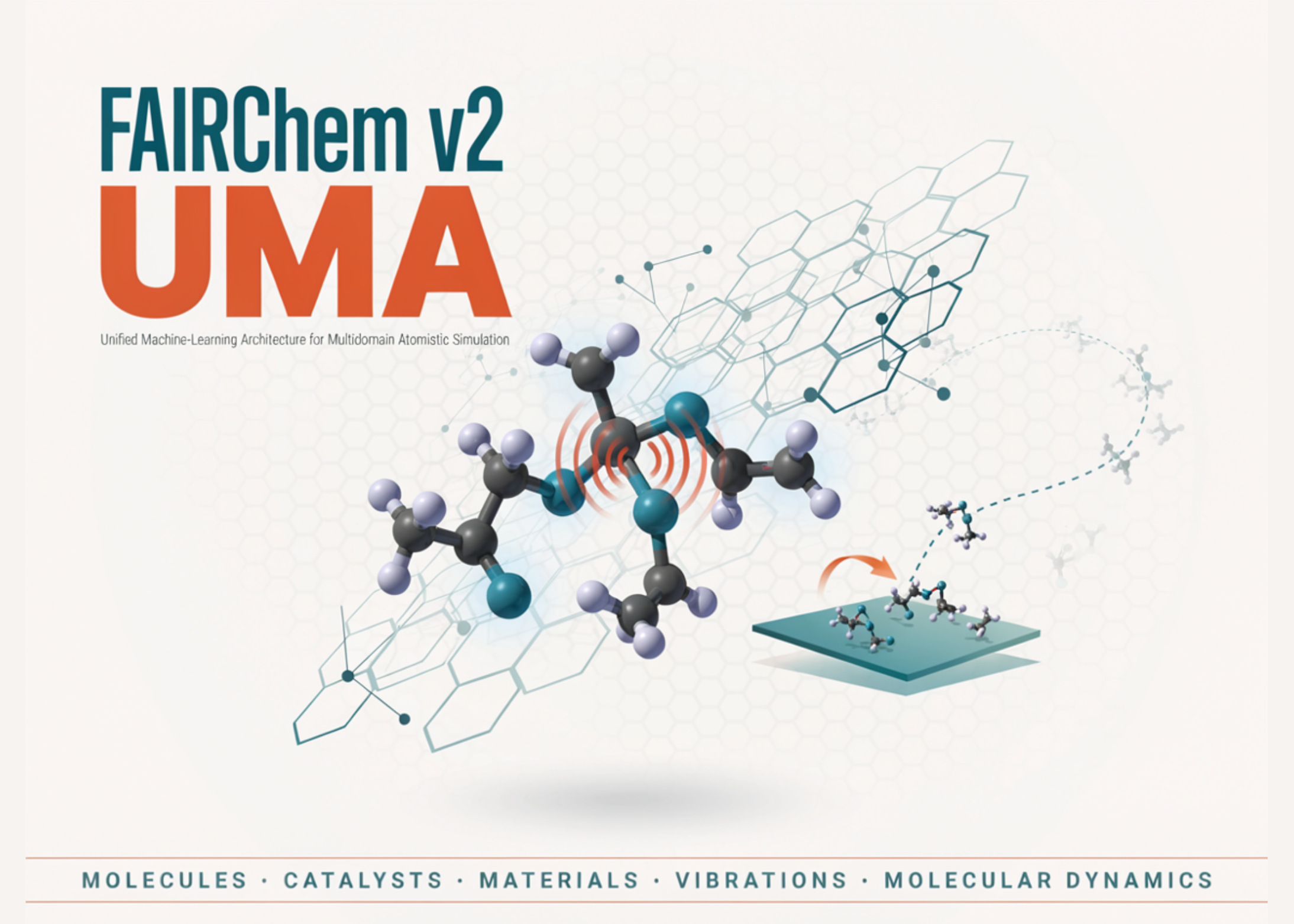
FAIRChem v2 UMA for Multidomain Atomistic Simulation across Molecules, Catalysts, Materials, Vibrations, and Molecular Dynamics
In this tutorial, we explore FAIRChem v2 and the UMA universal machine-learning interatomic potential as a unified framework for atomistic simulation across molecular chemistry, catalysis, and inorganic materials. We configure an environment, authenticate with Hugging Face to access the gated UMA model weights, and initialize task-specific calculators for the omol, oc20, and omat domains. We then apply the same pretrained potential to a broad set of computational chemistry workflows, including
Induction Labs Photon-1 Simulates Desktops, Plays Checkers, and Models Billiard Physics From One Pretraining Run
Most agents that learn from video need to know what action produced each frame. Induction Labs is arguing that this requirement is the bottleneck. Last week, they released imagination models, a foundation model architecture that pretrains on raw video with no action labels at all. Their test system is Photon-1, a sparse 106B-A5B mixture-of-experts (MoE) transformer trained on 18 years of computer demonstration video. On an internal computer use benchmark, Induction Labs reports that Photon-1