End-to-End Forecasting with TimesFM 2.5: Backtesting, Covariates, Anomaly Detection, and Scalable Colab Deployment
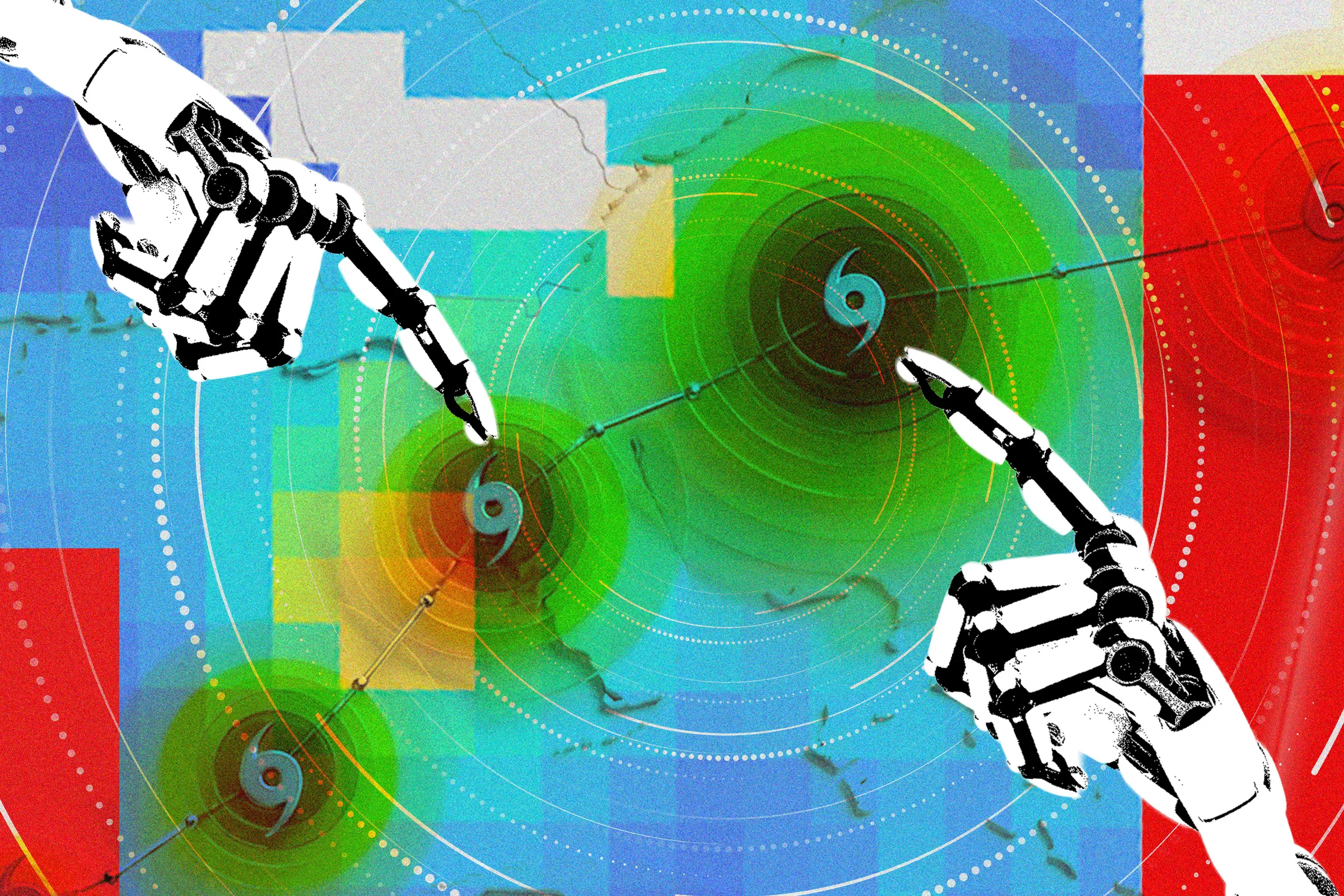
In this tutorial, we build an advanced end-to-end time-series forecasting workflow with TimesFM 2.5. We begin by configuring the runtime, installing the required dependencies, detecting available hardware, and generating a realistic multi-store retail dataset with trend, seasonality, pricing, promotions, holidays, temperature effects, and random variation. We then load and compile the TimesFM 2.5 model, examine its forecast configuration, and use it for zero-shot point and probabilistic forecas
Get smart on it
This tutorial covers an end-to-end workflow for time-series forecasting using TimesFM 2.5, a machine learning model designed to predict future values in sequential data. The workflow includes setting up the model, generating realistic retail data with multiple factors like trends and seasonal patterns, and then evaluating forecast accuracy through various metrics and testing methods such as backtesting, anomaly detection, and covariate integration. The tutorial demonstrates practical techniques for configuring, validating, and deploying the model across different scenarios and data complexities.
Related news

Pokee AI Releases Pokee-Isaac 28B: A 10M-Token Context Agentic Model Built to Run Inside the Customer Boundary
Long-horizon agents accumulate context faster than they resolve tasks. Every tool output, observation, and intermediate reasoning step stays in the window, and the two capabilities that matter — holding that context and staying coherent across it — have so far been available almost exclusively from cloud endpoints. That excludes regulated industries, public-sector institutions, and on-device applications, where the data is not permitted to leave the boundary at all. Pokee AI released Pokee-Isaa
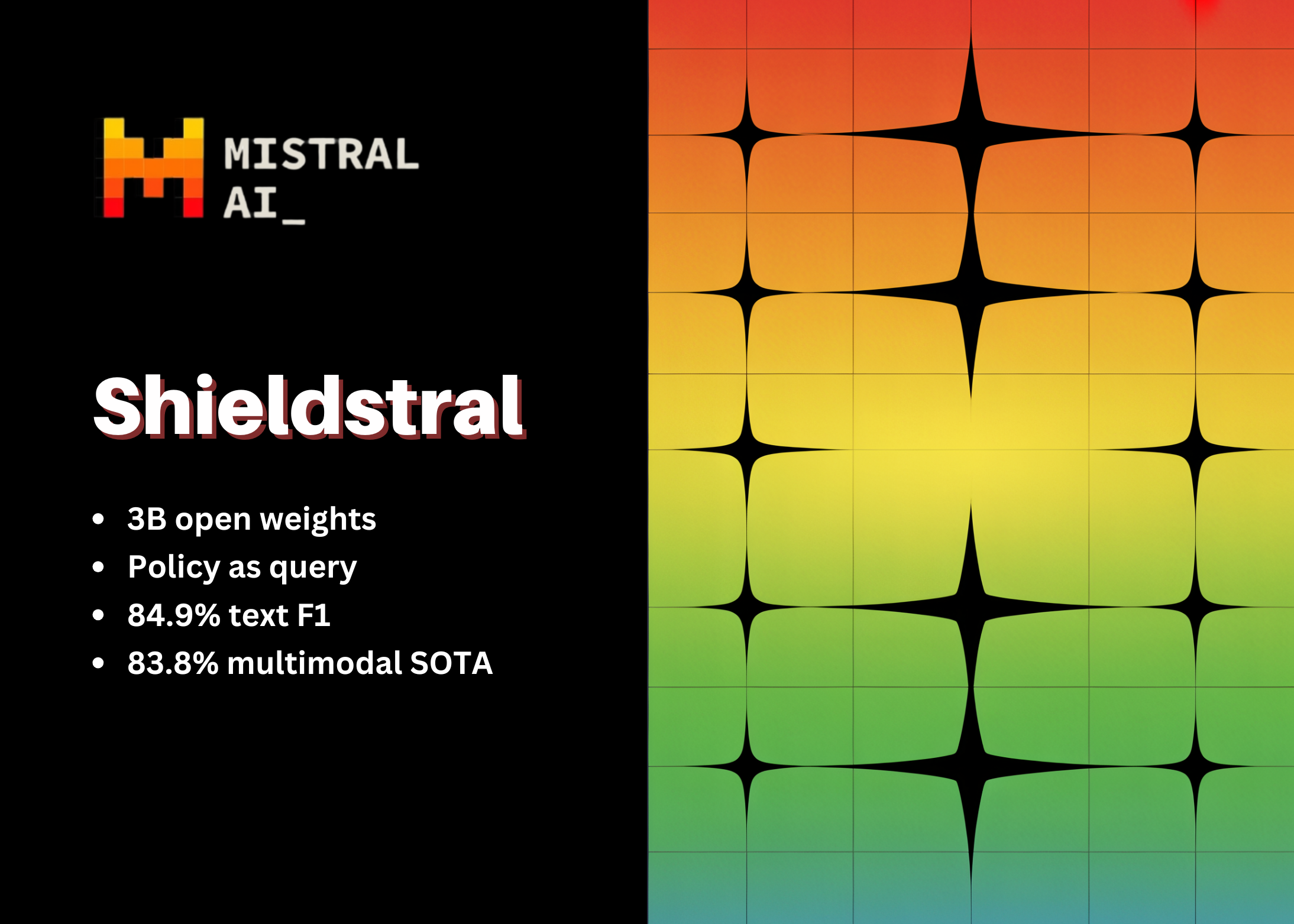
Mistral AI Releases Shieldstral 1.0 3B: An Open-Weights Policy-Adaptive Multimodal Safety Classifier Matching Models 7× Its Size
Mistral AI has released Shieldstral 1.0 3B, an open-weights, policy-adaptive multimodal safety classifier that treats content moderation as a single yes/no question rather than a fixed taxonomy of harm categories. Most guardrail models bake their category list into the weights, so re-targeting one to a new deployment context means retraining — and the same content can be acceptable on a cybersecurity research tool while being harmful on a mental-health platform. Shieldstral inverts that: operat