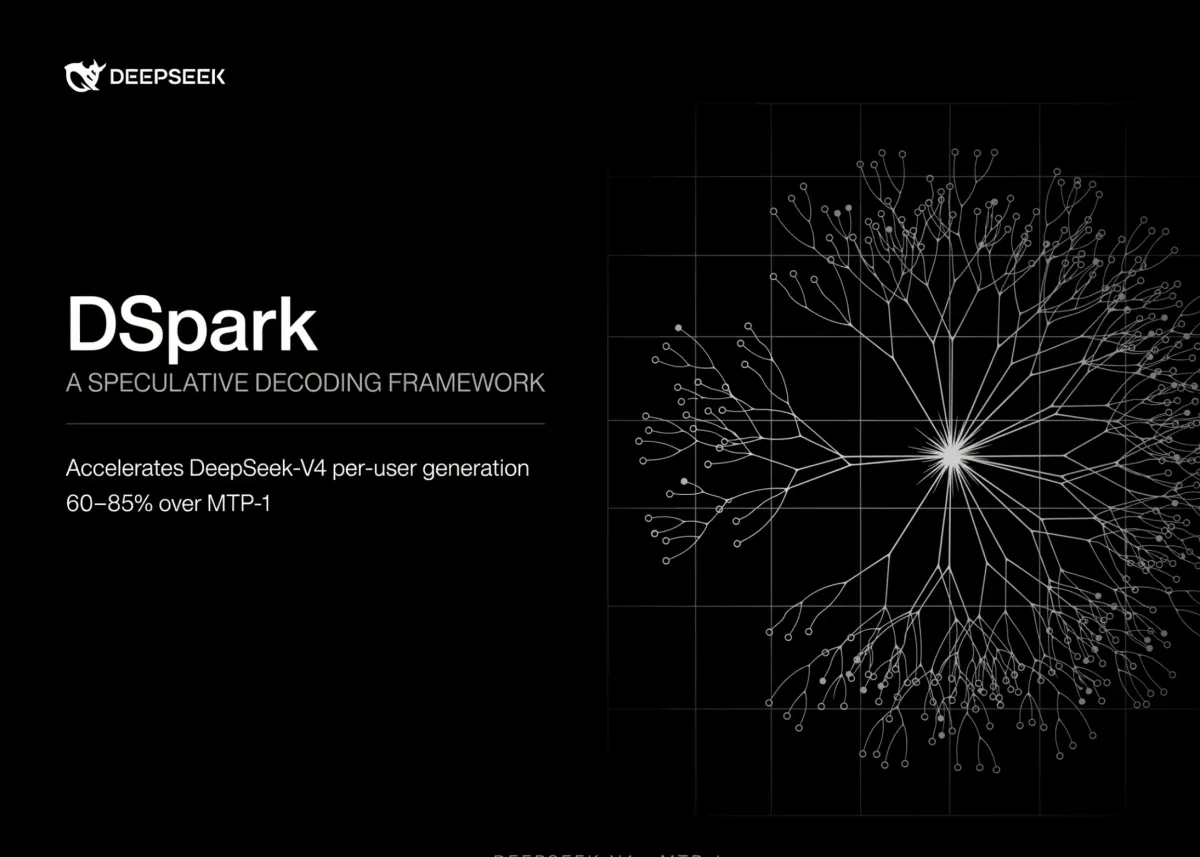
DeepSeek Releases DSpark, a Speculative Decoding Framework That Accelerates DeepSeek-V4 Per-User Generation 60–85% Over MTP-1
DeepSeek released DSpark, a speculative decoding framework, with open-source checkpoints and training code. It is a serving optimization, not a new model. The checkpoints DeepSeek-V4-Pro-DSpark and DeepSeek-V4-Flash-DSpark reuse the existing V4 weights, with a draft module attached. The DeepSeek research team also open-sourced DeepSpec, an MIT-licensed codebase for training and evaluating speculative decoding drafters. The work targets one problem: faster large-model inference in busy produc
DSpark is a serving optimization framework that speeds up text generation from large AI models by combining two different drafting approaches: a fast parallel method and a lightweight sequential component. The system works by having a smaller draft model propose multiple tokens at once, which a larger model then verifies, accepting tokens that match the target distribution without any quality loss. This matters because it reduces latency in production settings where many users are generating text simultaneously, with measured speedups of 60 to 85 percent over previous single-token baselines depending on the workload type. The framework includes a confidence scoring system and load-aware scheduler that adjust how many tokens get verified based on whether the system is busy or idle, allowing it to optimize speed while maintaining output quality.
Explainer: Why AI Is Getting Faster Without Getting Smarter: Speculative Decoding Explained
One short email a day with the stories that matter. Free. Unsubscribe with one click.
Want to go deeper than the news? Explore live, cohort-based AI courses taught by practitioners.
Browse AI courses on Maven
Anthropic releases new Mythos and Fable models amid RSI concerns
Anthropic says the new models "show improvements in areas like coding, reasoning, and vision," as well as in communicating more clearly with users.
Also reported by The Verge, SiliconANGLE and MarkTechPost
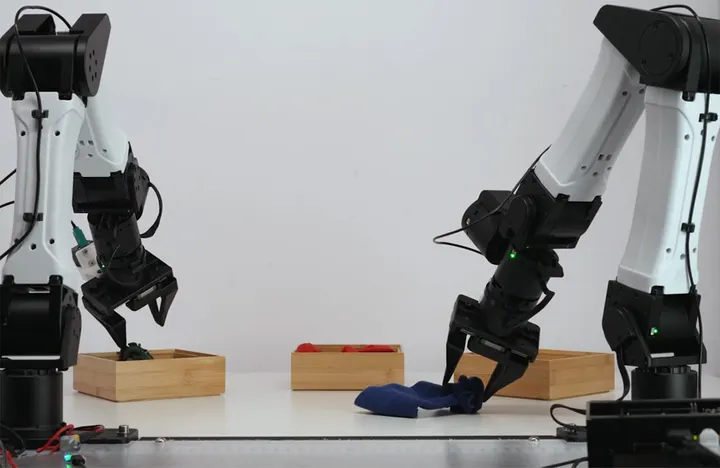
Runway’s Praxis-1 world action model for robotics is now available
Praxis-1 builds on Runway’s work as a founding member of the Cosmos Coalition, advancing open world models for physical AI. | Source: Runway Runway AI Inc. yesterday released Praxis-1, its world action model for robotics. The model is now available to developers with open weights under the Apache 2.0 license. Runway first announced Praxis-1 in September with launch partners including Noble Machines, Standard Bots, and Ultra. Since then, these companies have been running the model on their own ha

Google releases Gemini 4 Carbon with agent ‘swarm’ feature
Google is rolling out its latest AI model, Gemini 4 Carbon, to the general public after releasing it to a select group of "cybersecurity defenders" two weeks ago. Google claims Carbon is its "strongest model" yet, and capable of competing with the very best systems from Anthropic and OpenAI. Google says Gemini 4 Carbon "pushes the frontier even further" than Argon, referring to the company's other frontier model that launched only last month. The company said Argon will likely
Gemini 4 Carbon is now available
The latest version aims to deliver improved performance while reducing the computational resources and energy required for AI operations.
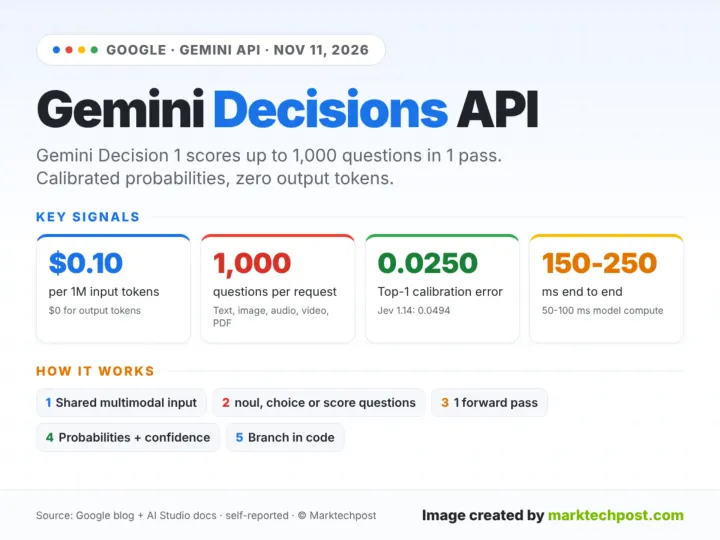
Google Launches Gemini Decisions API With Gemini Decision 1 at $0.10/M Tokens
Google has launched the Gemini Decisions API, powered by a new model, Gemini Decision 1 (gemini-decision-1). The Gemini Decisions API does not generate text. It scores up to 1,000 typed questions against one shared input and returns calibrated probabilities. For developers, this targets the small branching calls inside agents: routing, policy checks, tool selection and grading. Google prices it at $0.10 per 1M input tokens, with zero output tokens billed. TL;DR Size: Context is 262,144 t
Also reported by SiliconANGLE

Introducing AlphaProof Code: a breakthrough in verifying complex software at depth
AlphaProof Code agents wrote three million lines of proofs in Lean to verify Signal’s core encryption.