China’s Open AI Models Are Challenging Silicon Valley’s Playbook
As access to Anthropic’s and OpenAI’s frontier models becomes more restricted, Chinese labs are pitching their open-source alternatives as stable, accessible, and increasingly capable.
Make your prediction
Will a Chinese open-source AI model rank in the top 3 on the LMSYS Chatbot Arena leaderboard by October 2026?
Resolves by Oct 31, 2026
Your prediction
50% · 50/50 coin flip
NOYES
Get smart on it
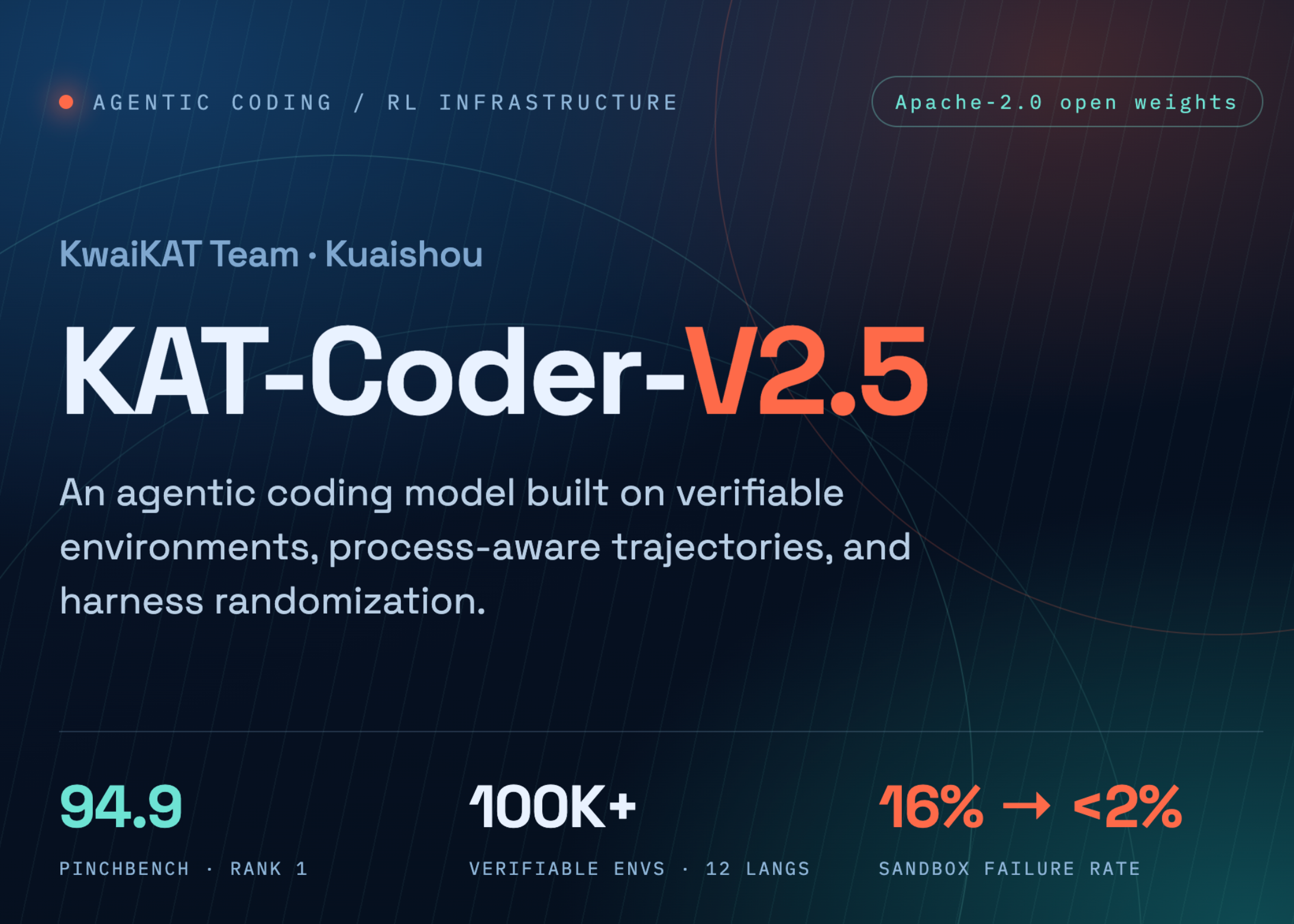
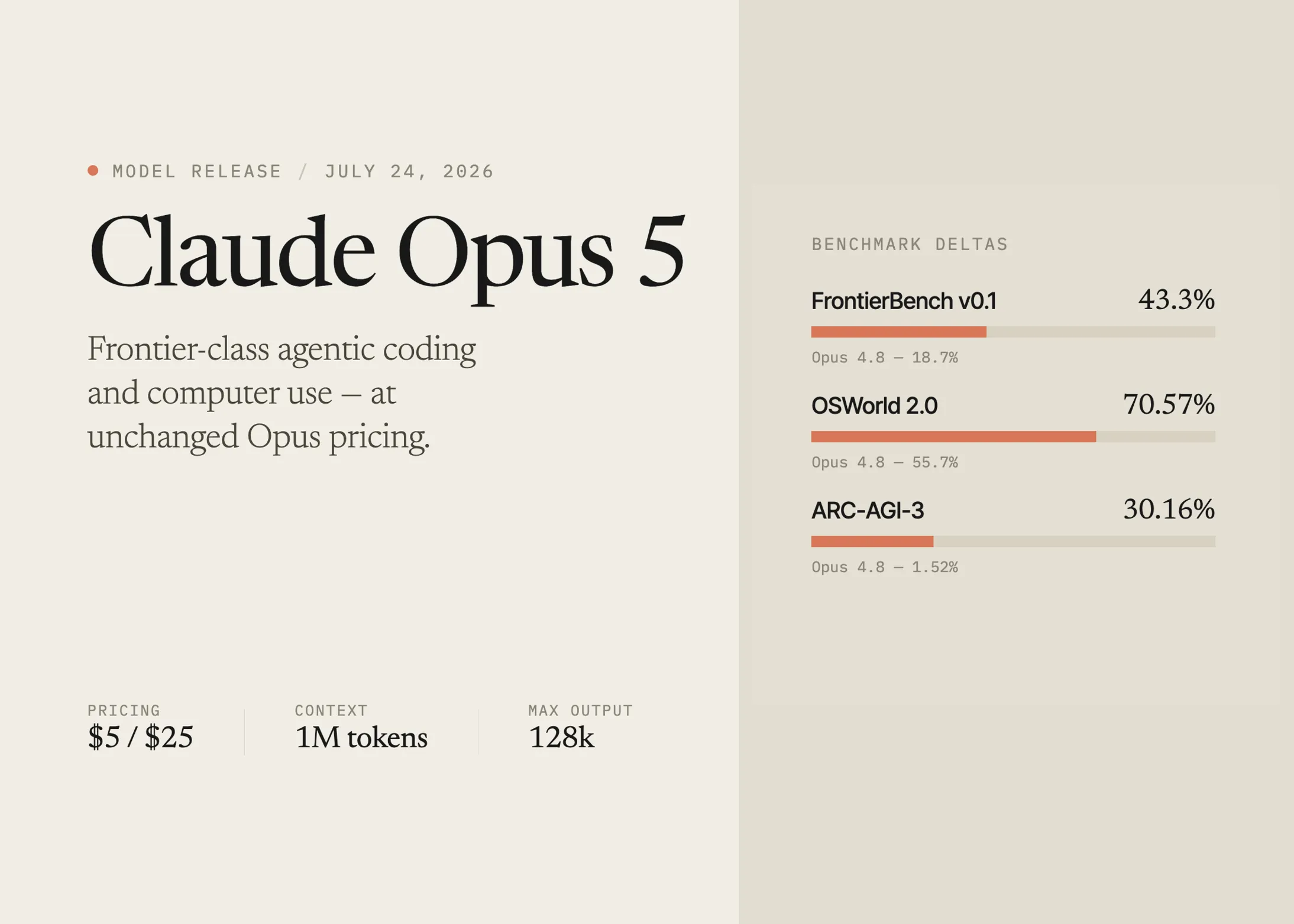
Chinese AI labs are releasing open-source models that perform nearly as well as Western competitors' closed models, challenging the traditional Silicon Valley approach of restricting access to frontier AI systems. Western companies like OpenAI and Anthropic have increasingly restricted access to their latest models following White House concerns, while Chinese labs have made their models freely available for anyone to download and customize locally. This divergence matters because Chinese open-source models are becoming practical replacements for paid Western alternatives, with some Western researchers and startups now preferring them for their work. The shift reflects different business strategies, with Chinese firms using open-source to compete as newer, smaller players while also raising questions about whether Western models are as superior as commonly believed.
Related news

FAIRChem v2 UMA for Multidomain Atomistic Simulation across Molecules, Catalysts, Materials, Vibrations, and Molecular Dynamics
In this tutorial, we explore FAIRChem v2 and the UMA universal machine-learning interatomic potential as a unified framework for atomistic simulation across molecular chemistry, catalysis, and inorganic materials. We configure an environment, authenticate with Hugging Face to access the gated UMA model weights, and initialize task-specific calculators for the omol, oc20, and omat domains. We then apply the same pretrained potential to a broad set of computational chemistry workflows, including

Induction Labs Photon-1 Simulates Desktops, Plays Checkers, and Models Billiard Physics From One Pretraining Run
Most agents that learn from video need to know what action produced each frame. Induction Labs is arguing that this requirement is the bottleneck. Last week, they released imagination models, a foundation model architecture that pretrains on raw video with no action labels at all. Their test system is Photon-1, a sparse 106B-A5B mixture-of-experts (MoE) transformer trained on 18 years of computer demonstration video. On an internal computer use benchmark, Induction Labs reports that Photon-1