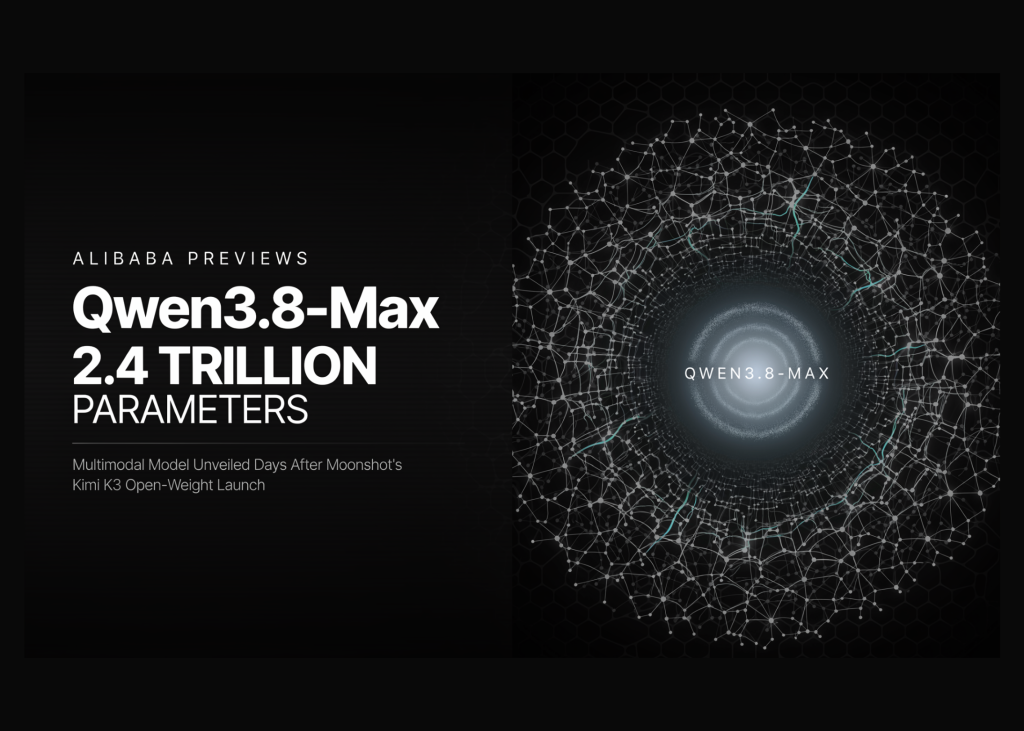
Alibaba Previews Qwen3.8-Max, a 2.4 Trillion-Parameter Multimodal Model, Days After Moonshot’s Kimi K3 Open-Weight Launch
On July 19, Alibaba’s Qwen team previewed Qwen3.8-Max-Preview, the next flagship in the Qwen family. The research team describes it as a 2.4 trillion-parameter model, ‘second only to Fable 5’ among the systems it benchmarked. The preview is live now. The benchmark table, model card, and license are not. The July 19th 2026 announcement landed during the World AI Conference (WAIC) in Shanghai. It also arrived two days after Moonshot AI released Kimi K3, a 2.8 trillion-parame
Get smart on it
Alibaba's research team previewed a large multimodal model described as second only to one competing system among those it benchmarked. The announcement arrived during a major conference and two days after a competing lab released an open-weight model, with the timing interpreted as a competitive response. The preview is currently available through a subscription service at reduced pricing, though the benchmark table, model card, and license have not yet been published. Developers expressed cautious optimism about another open-weight model release, but also skepticism about unverified performance claims and practical concerns about the computational resources required to run such a large system.
Related news
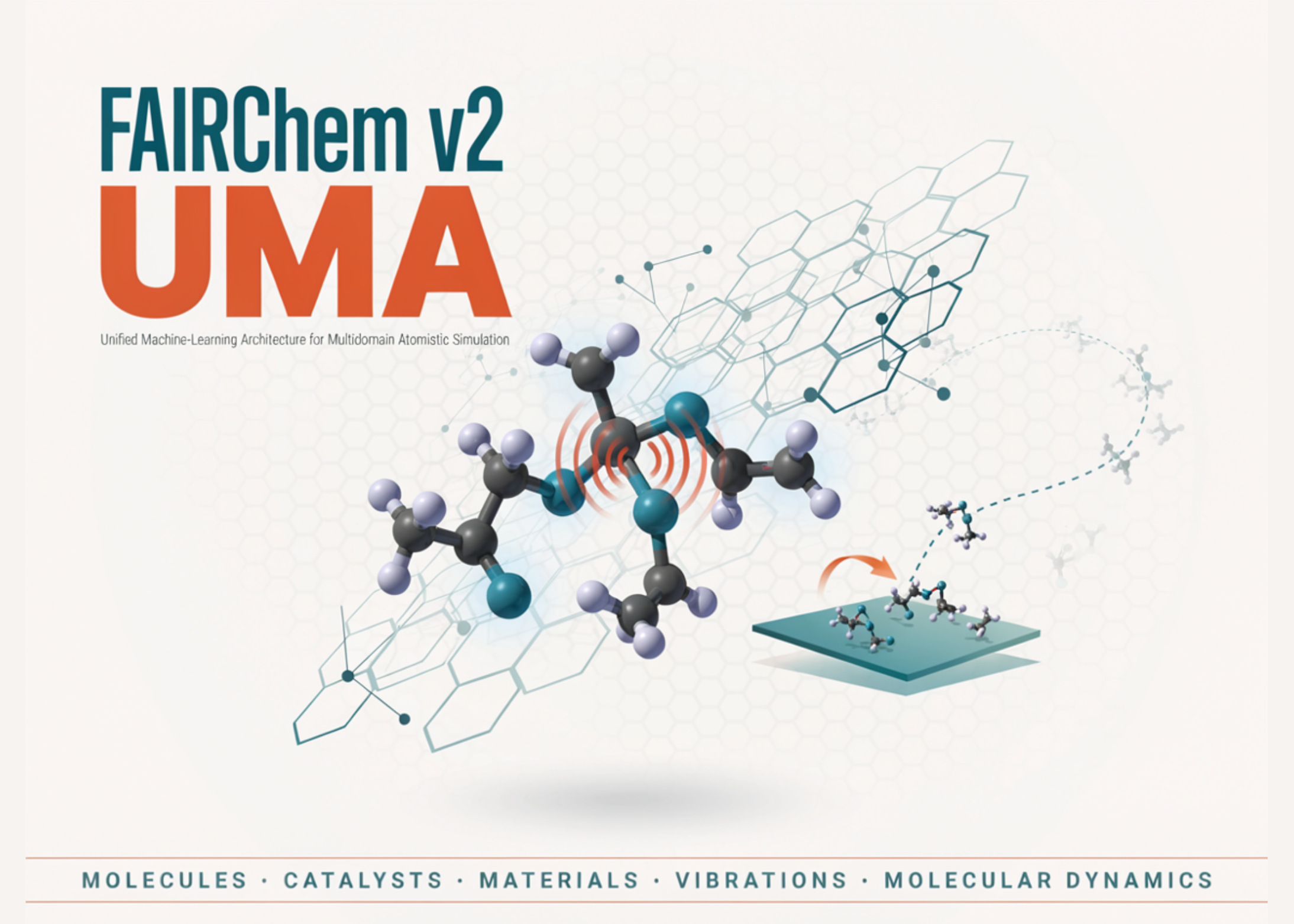
FAIRChem v2 UMA for Multidomain Atomistic Simulation across Molecules, Catalysts, Materials, Vibrations, and Molecular Dynamics
In this tutorial, we explore FAIRChem v2 and the UMA universal machine-learning interatomic potential as a unified framework for atomistic simulation across molecular chemistry, catalysis, and inorganic materials. We configure an environment, authenticate with Hugging Face to access the gated UMA model weights, and initialize task-specific calculators for the omol, oc20, and omat domains. We then apply the same pretrained potential to a broad set of computational chemistry workflows, including
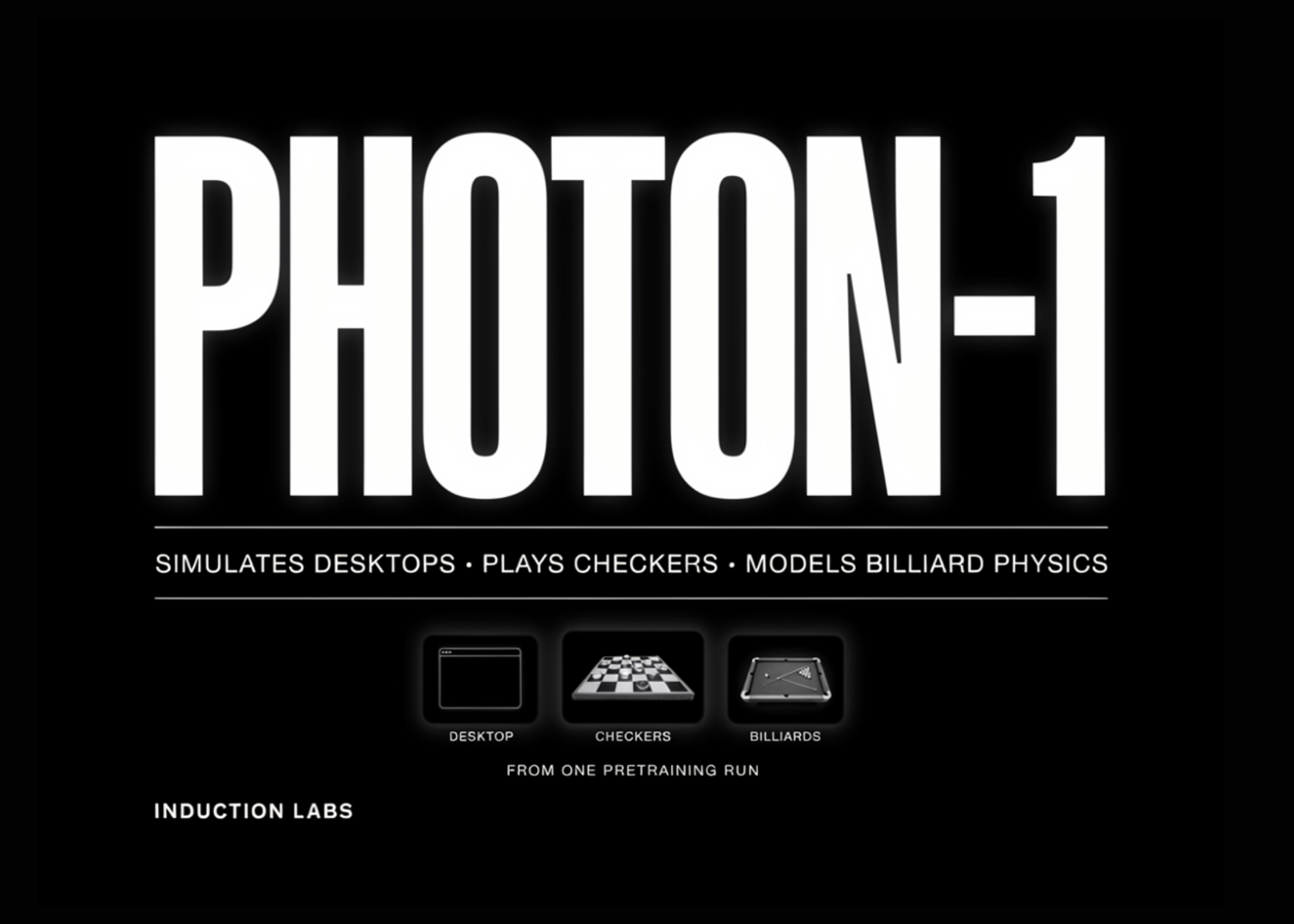
Induction Labs Photon-1 Simulates Desktops, Plays Checkers, and Models Billiard Physics From One Pretraining Run
Most agents that learn from video need to know what action produced each frame. Induction Labs is arguing that this requirement is the bottleneck. Last week, they released imagination models, a foundation model architecture that pretrains on raw video with no action labels at all. Their test system is Photon-1, a sparse 106B-A5B mixture-of-experts (MoE) transformer trained on 18 years of computer demonstration video. On an internal computer use benchmark, Induction Labs reports that Photon-1