AI Models Built From Rat Brains Just Got Closer to Reality
The Biological Computing Company is bringing its AI tools to Amazon Web Services in a major boost for a once-fringe field that aims to marry nature with code.
Get smart on it
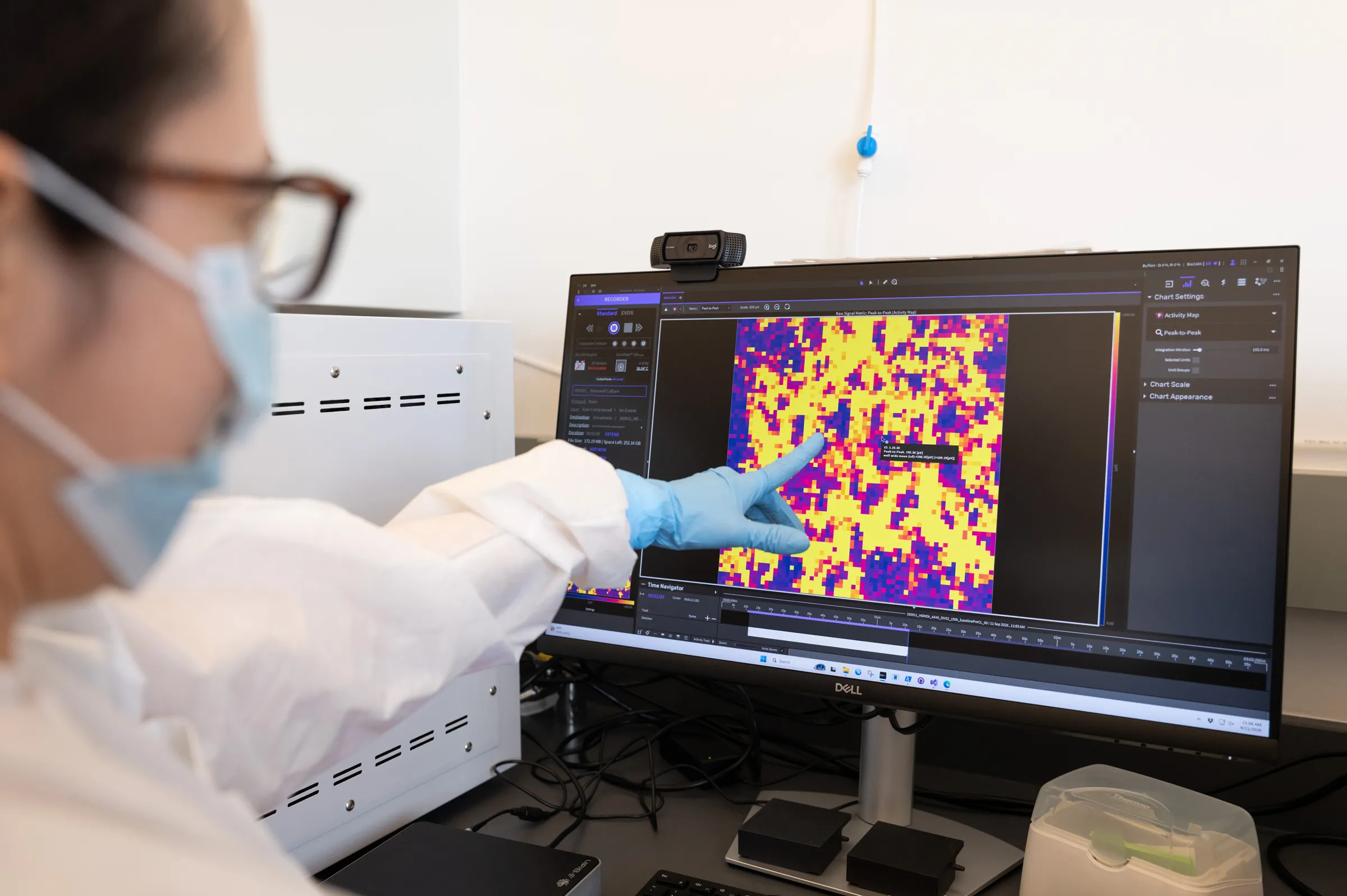
A startup is developing artificial intelligence models based on how rat brain cells process information, aiming to make video generation more efficient. The company codes images into rat brain cells on special silicon arrays, records how the neurons respond to electrical stimulation, and translates those neural patterns into software improvements. A major cloud computing company is now offering this technology to select customers as part of a limited preview, potentially expanding access to what was once considered a fringe field. The startup claims its approach is five times faster at video generation and significantly lowers processing costs compared to existing open-source models, though questions remain about whether the technology can scale effectively for longer and more complex tasks.
Related news
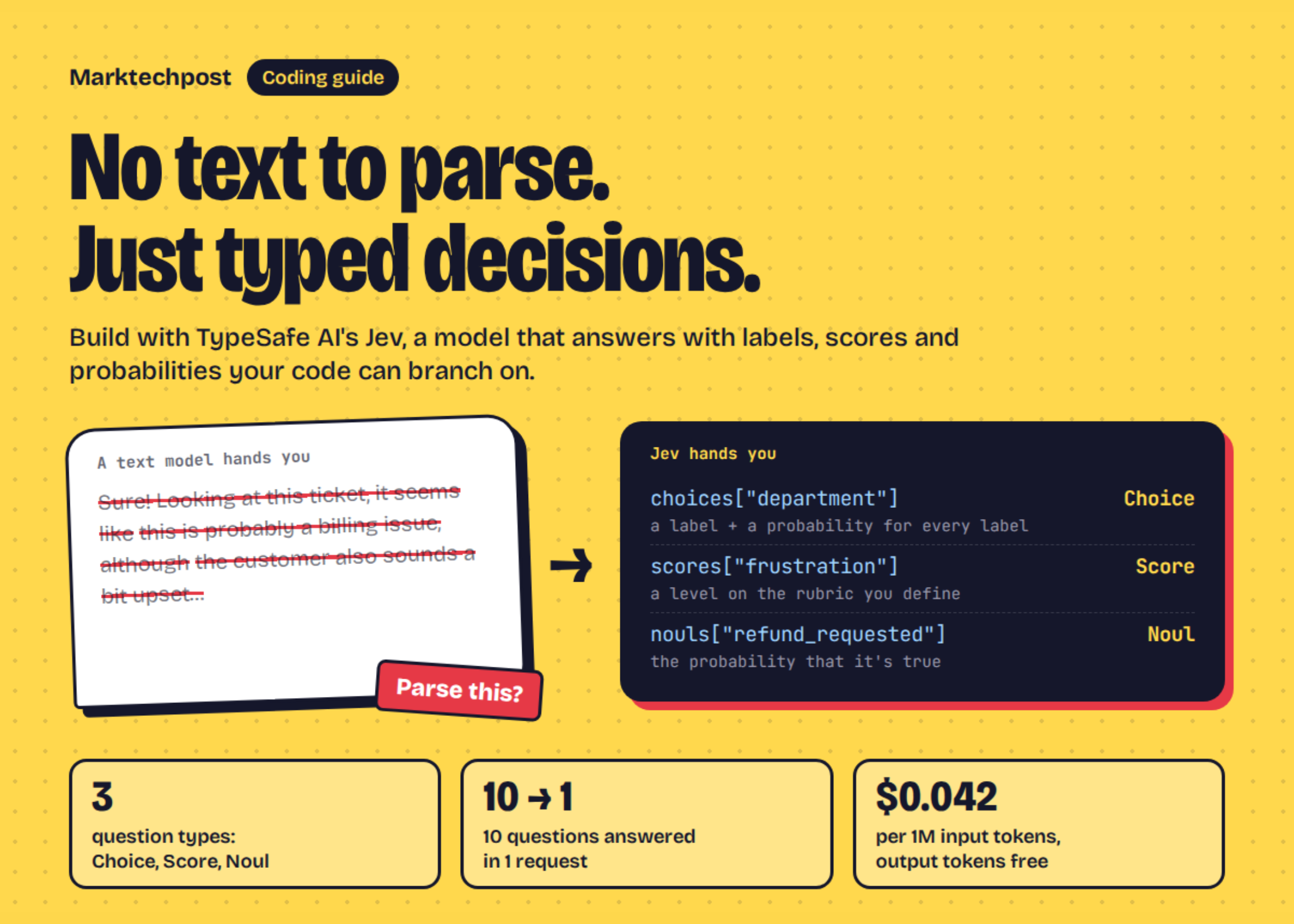
A Coding Guide to TypeSafe AI Jev: Typed Decisions, Calibrated Confidence, and Speculative Fan-Out with a System One Model
In this tutorial, we work with Jev, TypeSafe AI’s first System One model, which does not generate text at all: we send it a piece of program state and a set of typed questions, and it returns choices, scores, and yes/no probabilities that our code can branch on directly. We install the official Python SDK, make a first call that uses all three question primitives at once, and look at how the shape of the state changes what the model can know. We then recompute the published confidence sta
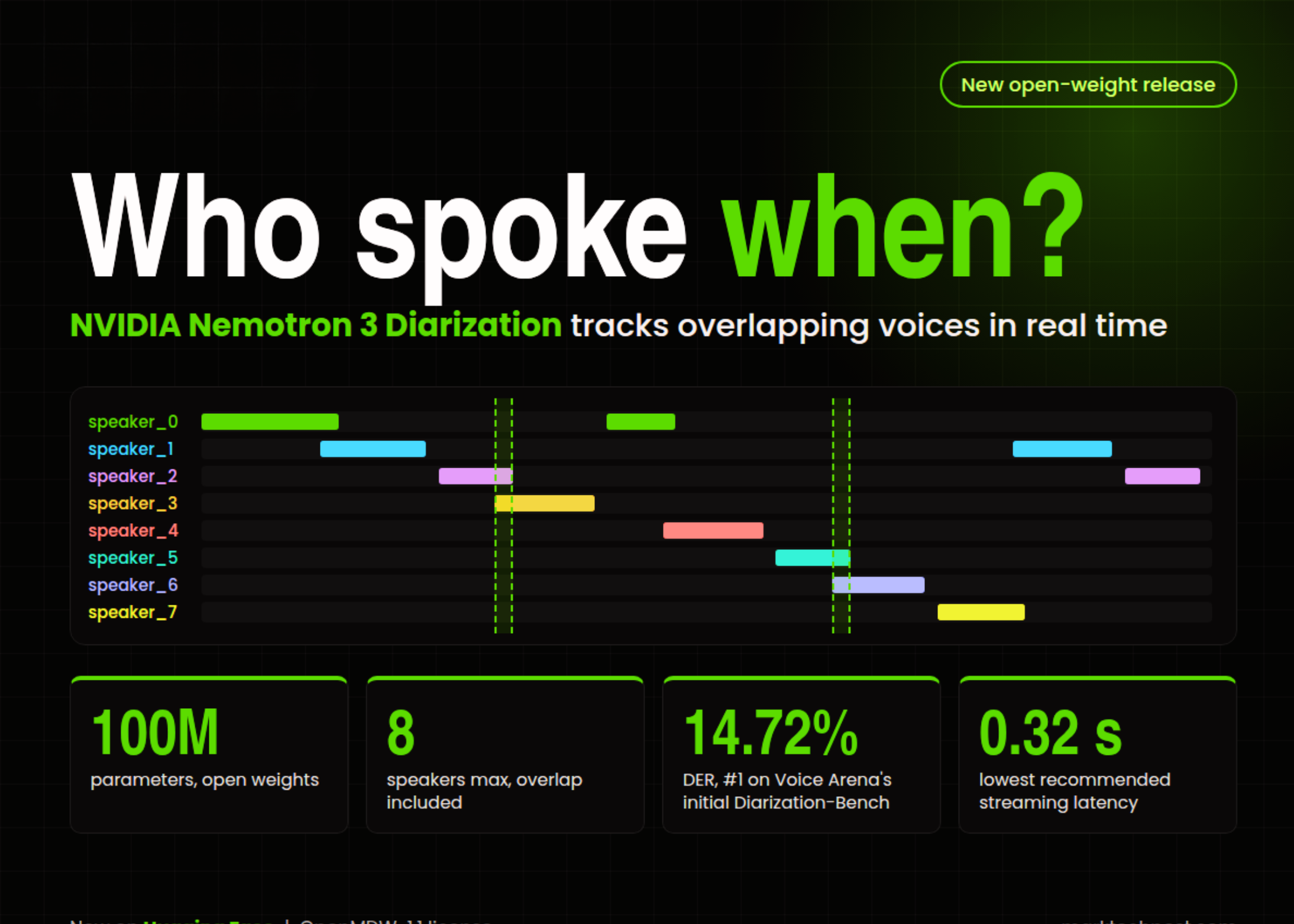
NVIDIA Releases Nemotron 3 Diarization: A 100M-Parameter Open-Weight Model That Tracks 8 Speakers in Real Time
NVIDIA has released Nemotron 3 Diarization, an open-weight speaker diarization model on Hugging Face. It answers one question about any conversation: who spoke when. The 100M-parameter model tracks up to 8 speakers, including when voices overlap. One checkpoint handles both offline recordings and real-time streaming. Is it deployable? Yes. The weights are released under the OpenMDW License 1.1, which permits commercial use. It runs on Linux through NVIDIA NeMo, using Ampere, Ada Lovelace, Ho