AI Isn’t Smarter Than a Baby, Yet
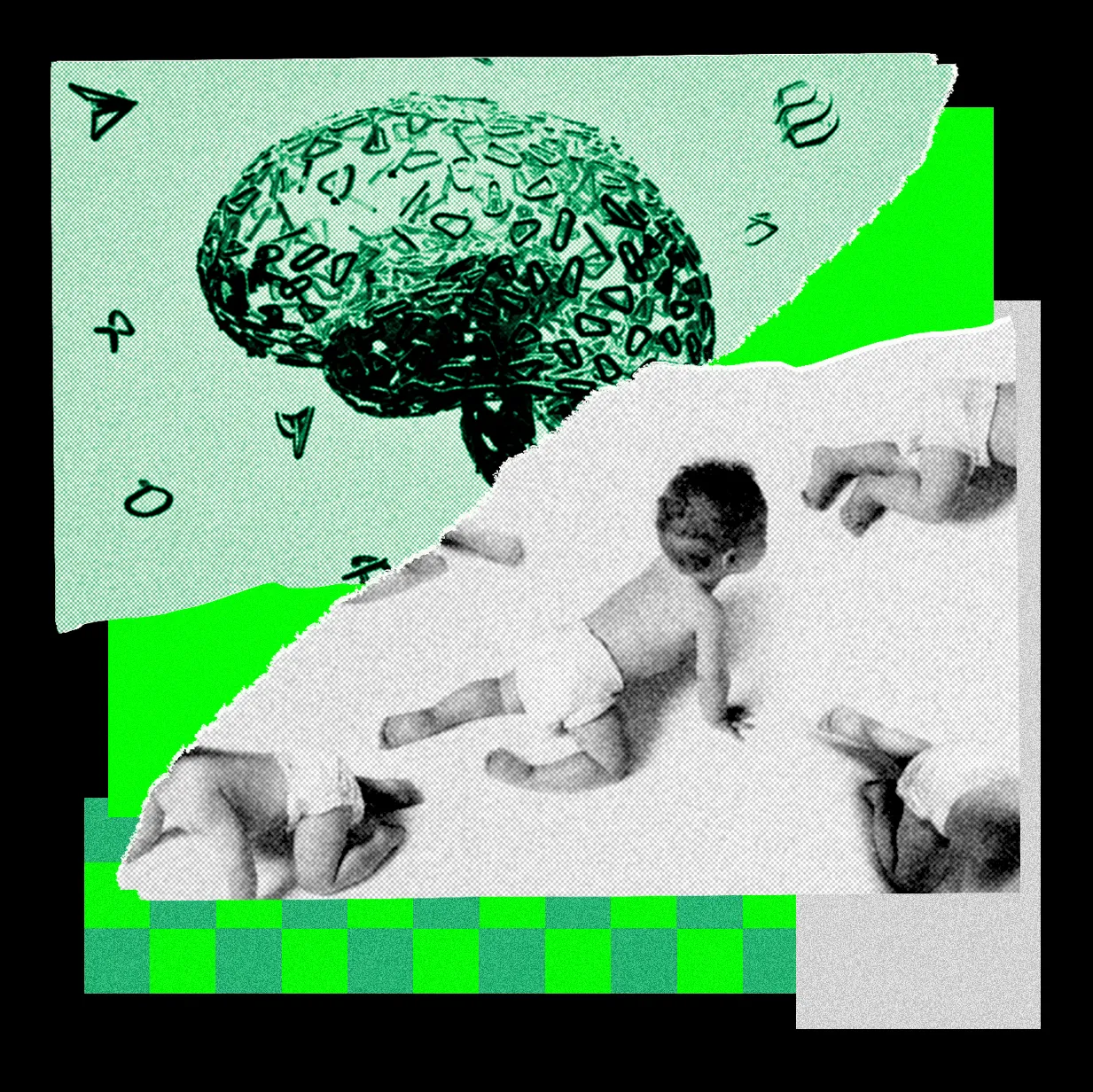
Babies are tremendous learning machines, and key advances for AI may soon be found in the architecture of their little brains.
Get smart on it
Researchers created a test called EgoBabyVLM that evaluates how well AI vision language models can understand the world from video footage recorded on cameras attached to infants and toddlers. Current cutting-edge AI models perform poorly on this test, suggesting that babies learn from their environment in fundamentally different ways than existing AI systems, which require vast amounts of curated data and energy to operate. Babies learn efficiently through multimodal experiences including language, physical interaction, and observing social cues, while current AI models struggle to extract meaningful understanding from the messy, realistic video data that reflects how babies actually perceive the world. Understanding how baby brains learn could help researchers design more efficient AI systems that require less data and energy while potentially improving how AI-powered robots interact with their environments.
Related news
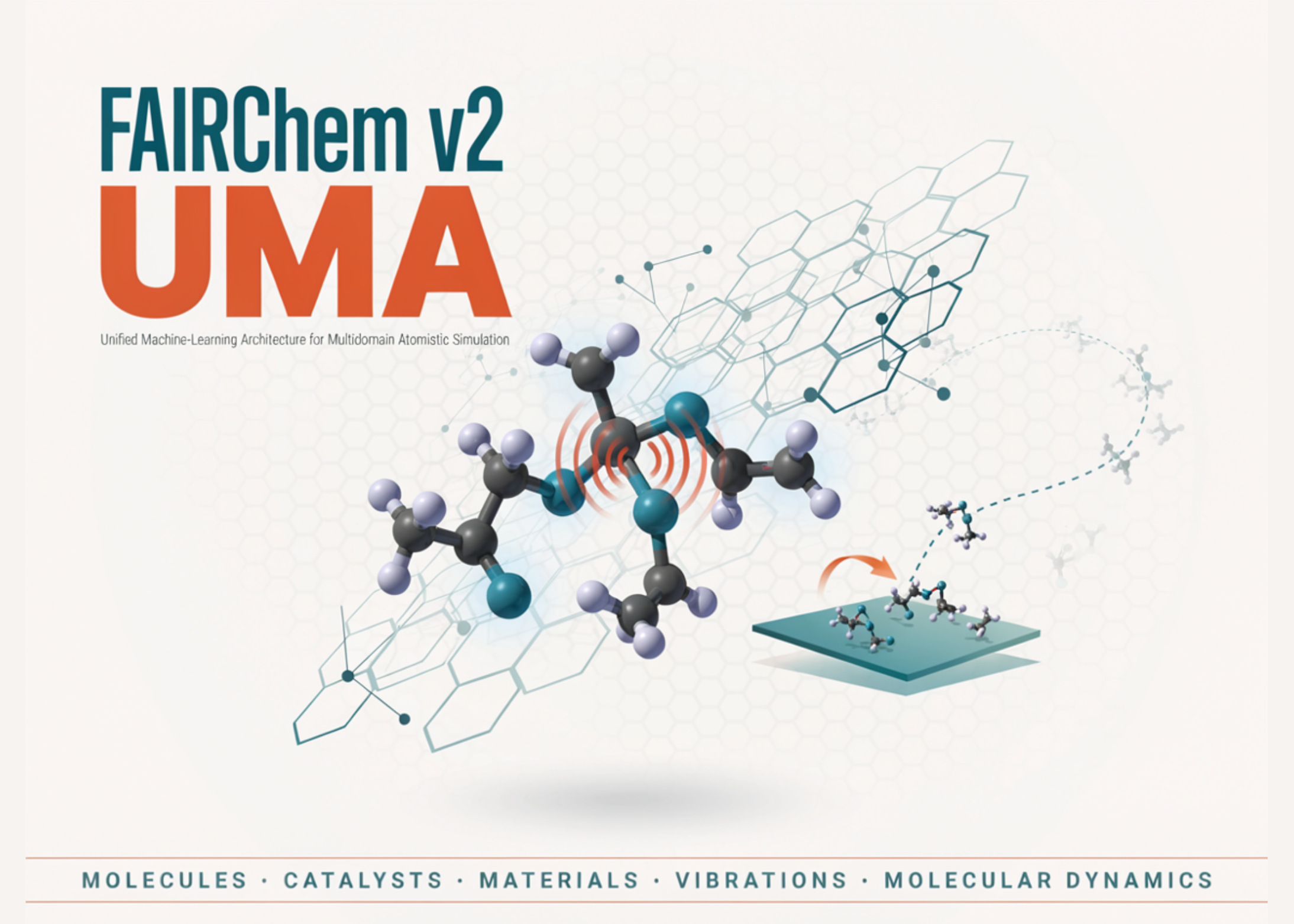
FAIRChem v2 UMA for Multidomain Atomistic Simulation across Molecules, Catalysts, Materials, Vibrations, and Molecular Dynamics
In this tutorial, we explore FAIRChem v2 and the UMA universal machine-learning interatomic potential as a unified framework for atomistic simulation across molecular chemistry, catalysis, and inorganic materials. We configure an environment, authenticate with Hugging Face to access the gated UMA model weights, and initialize task-specific calculators for the omol, oc20, and omat domains. We then apply the same pretrained potential to a broad set of computational chemistry workflows, including
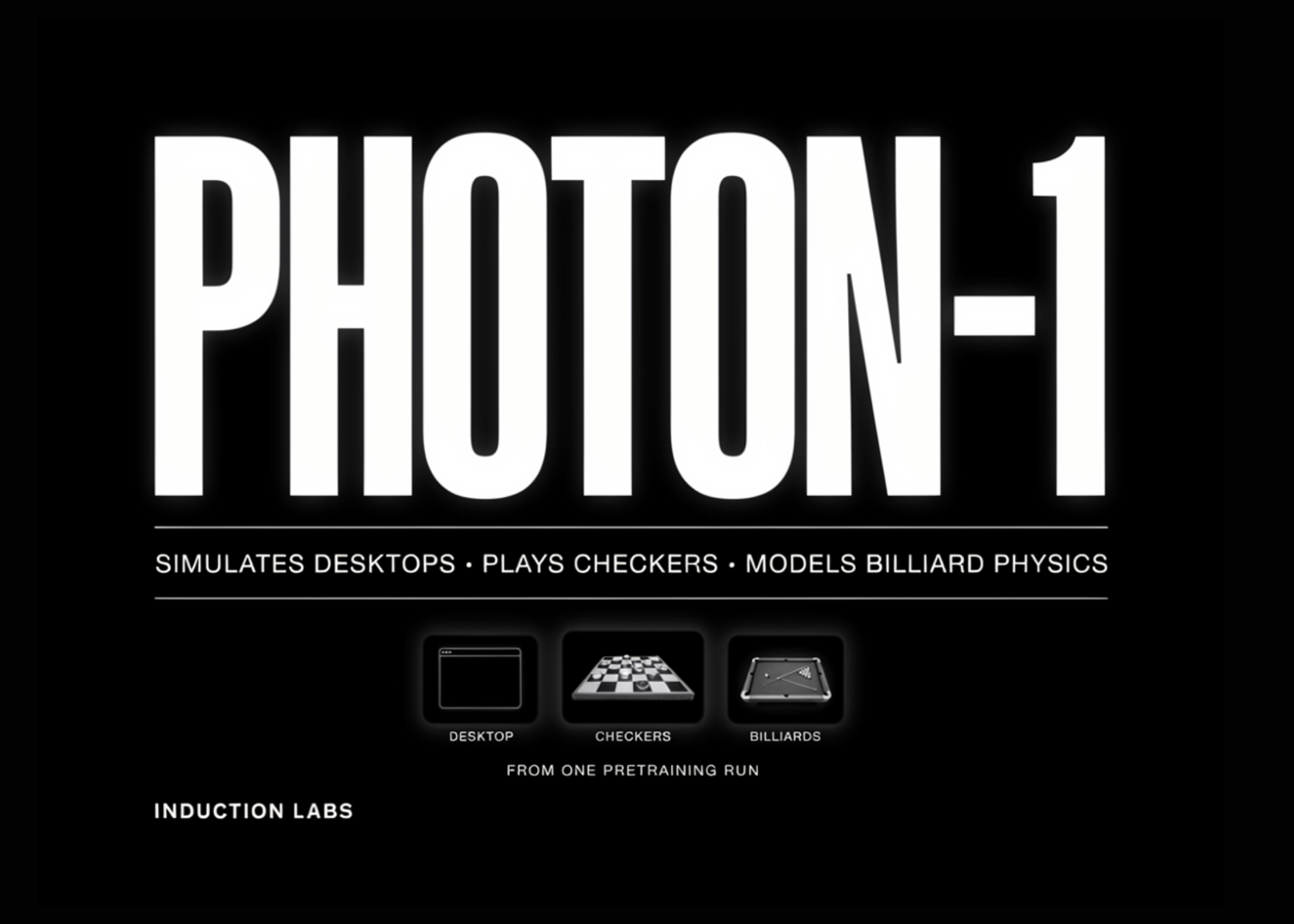
Induction Labs Photon-1 Simulates Desktops, Plays Checkers, and Models Billiard Physics From One Pretraining Run
Most agents that learn from video need to know what action produced each frame. Induction Labs is arguing that this requirement is the bottleneck. Last week, they released imagination models, a foundation model architecture that pretrains on raw video with no action labels at all. Their test system is Photon-1, a sparse 106B-A5B mixture-of-experts (MoE) transformer trained on 18 years of computer demonstration video. On an internal computer use benchmark, Induction Labs reports that Photon-1