A New Chatbot Wants to Unlock the Secrets in Tattered Ancient Greek Records
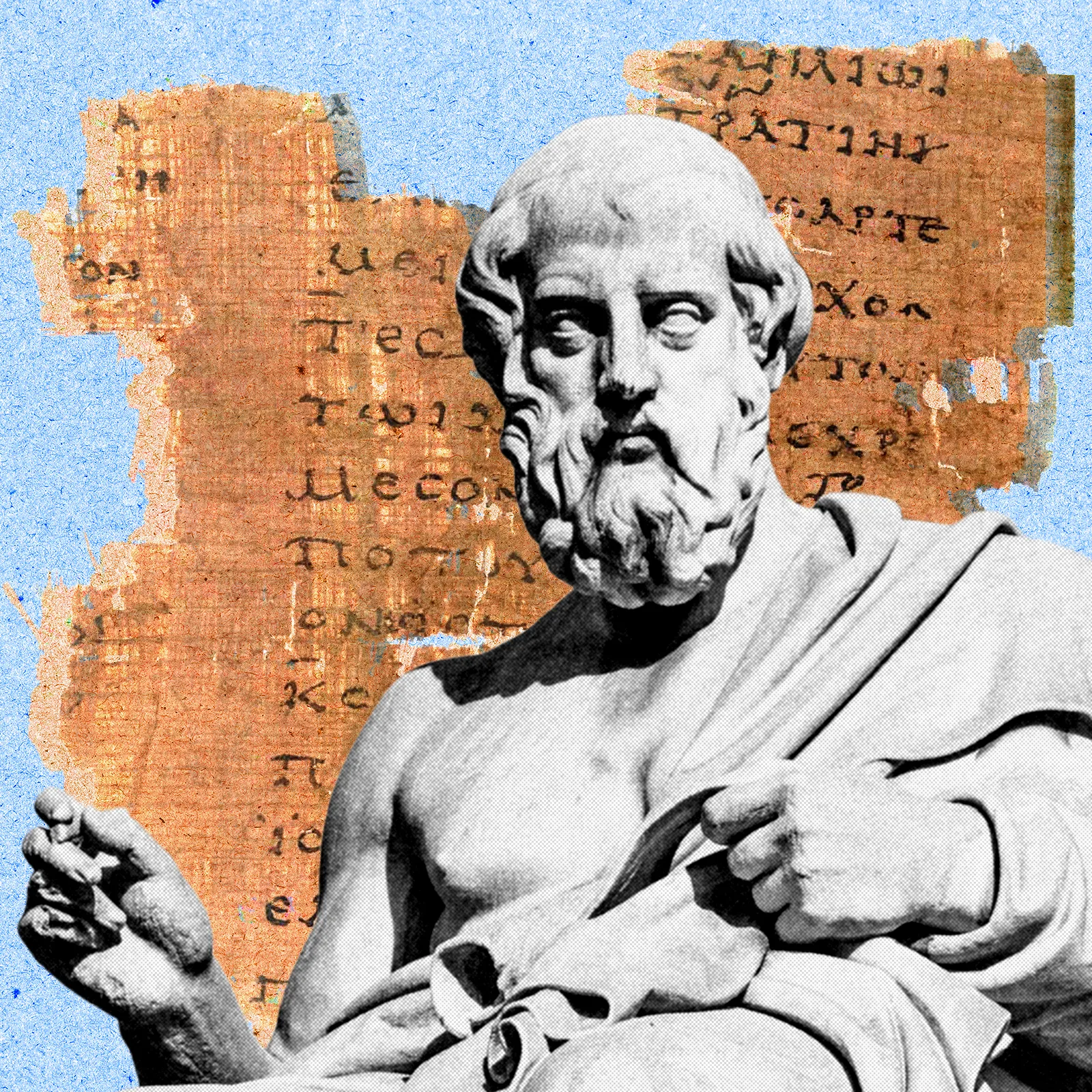
In the hope of uncovering new details about ancient life, researchers have developed a large language model that fills in the gaps in papyrus fragments.
Get smart on it
Researchers have developed a large language model trained on hundreds of millions of ancient Greek words to help scholars restore damaged papyrus fragments by filling in missing text. The model proposes the most statistically likely words or passages to complete gaps in tattered documents, potentially revealing new historical details without requiring the rare expertise currently needed for this painstaking restoration work. Scholars will use the model through a chatbot interface to more quickly identify relevant papyrus fragments and focus on interpreting their historical significance rather than deciphering what the documents say. The model is designed to offer multiple word options for human scholars to choose between, ensuring that human expertise remains central to the process and preventing the historical record from being corrupted by errors.
Related news
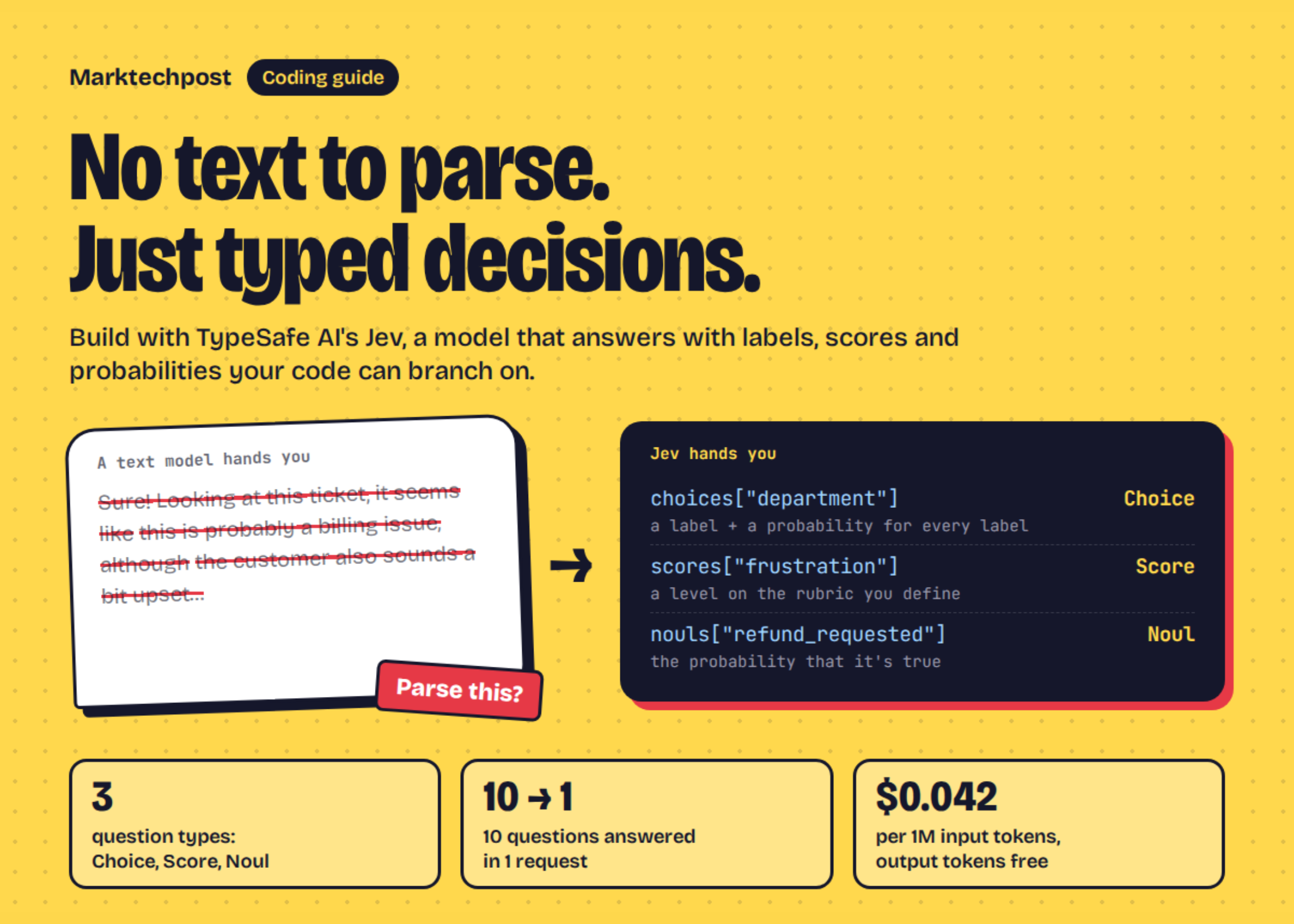
A Coding Guide to TypeSafe AI Jev: Typed Decisions, Calibrated Confidence, and Speculative Fan-Out with a System One Model
In this tutorial, we work with Jev, TypeSafe AI’s first System One model, which does not generate text at all: we send it a piece of program state and a set of typed questions, and it returns choices, scores, and yes/no probabilities that our code can branch on directly. We install the official Python SDK, make a first call that uses all three question primitives at once, and look at how the shape of the state changes what the model can know. We then recompute the published confidence sta
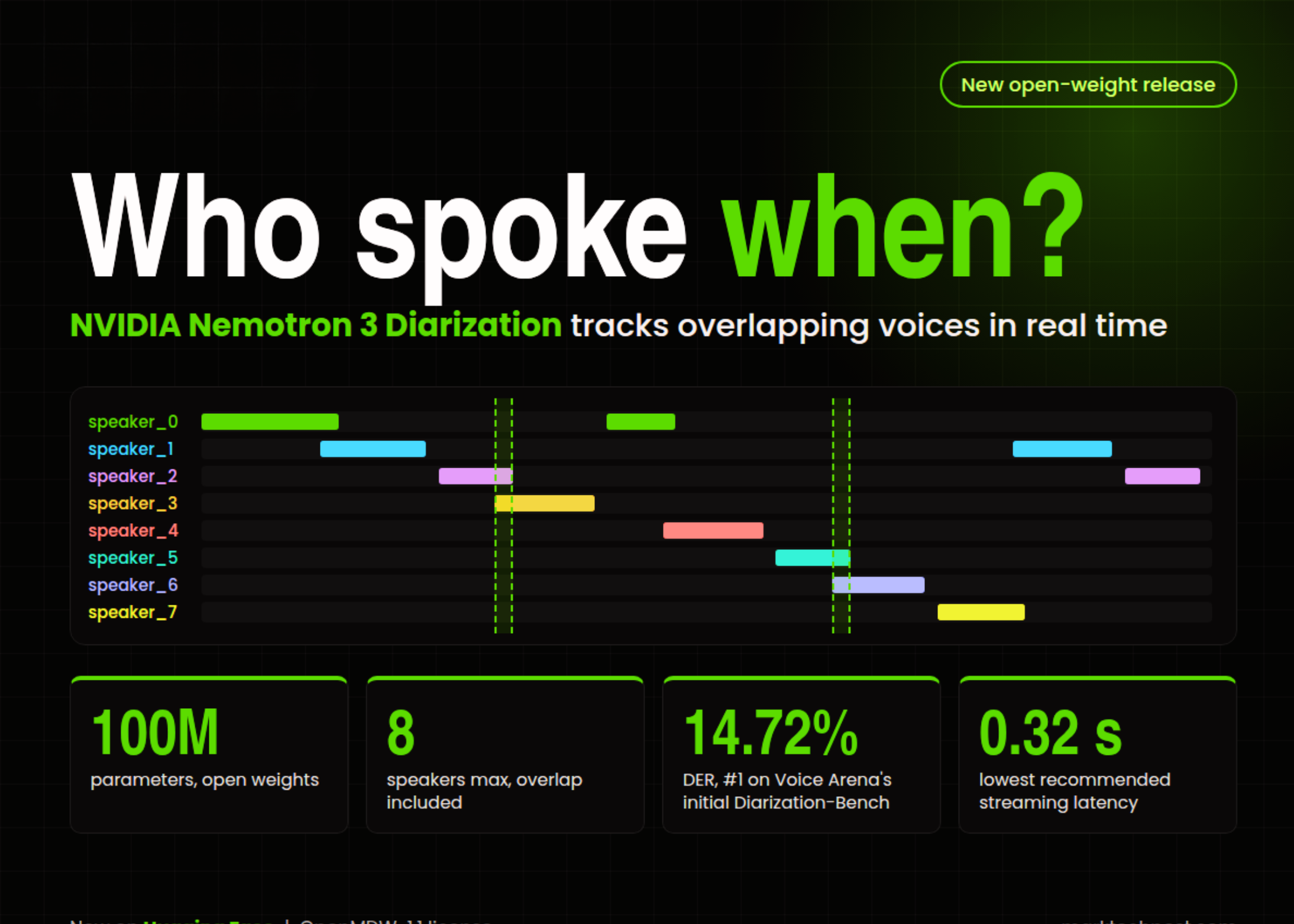
NVIDIA Releases Nemotron 3 Diarization: A 100M-Parameter Open-Weight Model That Tracks 8 Speakers in Real Time
NVIDIA has released Nemotron 3 Diarization, an open-weight speaker diarization model on Hugging Face. It answers one question about any conversation: who spoke when. The 100M-parameter model tracks up to 8 speakers, including when voices overlap. One checkpoint handles both offline recordings and real-time streaming. Is it deployable? Yes. The weights are released under the OpenMDW License 1.1, which permits commercial use. It runs on Linux through NVIDIA NeMo, using Ampere, Ada Lovelace, Ho