Zinc Whiskers: The Hidden Contamination Risk Beneath Data Center Floors
As AI density and airflow rise, legacy raised-floor and zinc-plated components can shed conductive whiskers that jeopardize equipment reliability.
Get smart on it
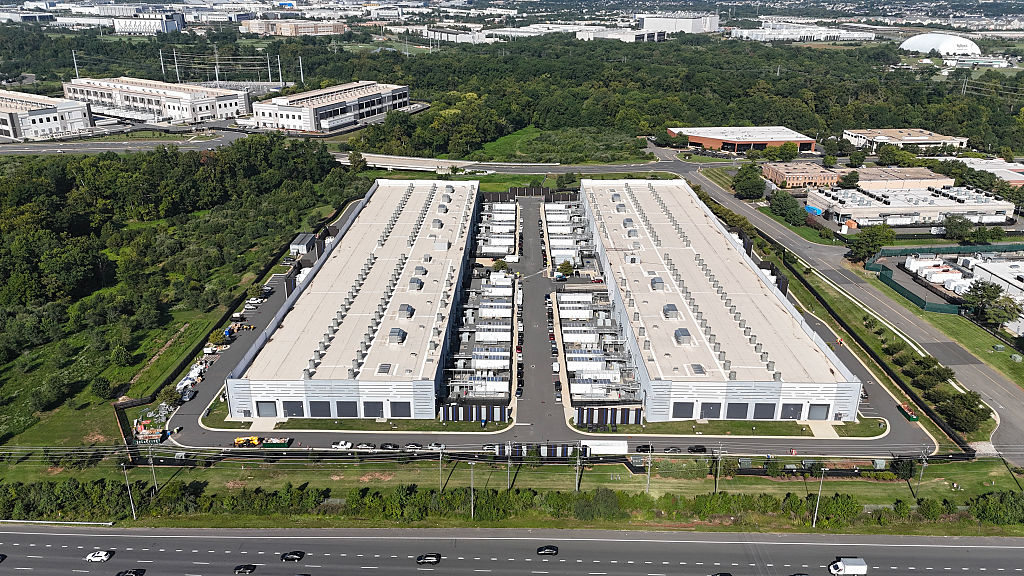
Zinc whiskers are microscopic, electrically conductive crystalline filaments that grow from electroplated zinc surfaces commonly found in older data center raised-floor tiles and other legacy infrastructure components. When these whiskers detach and become airborne through cooling airflow, they can settle on circuit boards and create unintended conductive paths that lead to equipment failures. As data centers increasingly adopt high-density AI infrastructure that moves significantly more air than traditional computing, this contamination risk becomes more serious because greater airflow carries whiskers toward equipment more readily. The problem is difficult to identify without proper inspection, and routine maintenance activities like moving floor tiles or cleaning can actually worsen the situation by disturbing whiskers and spreading them through the facility.
Related news

Rural Data Centers Are in for a Big Federal Tax Break
Under the One Big Beautiful Bill Act, data center projects in rural areas could be eligible for major tax benefits starting next year. Some hyperscalers do not seem eager to take the free cash.
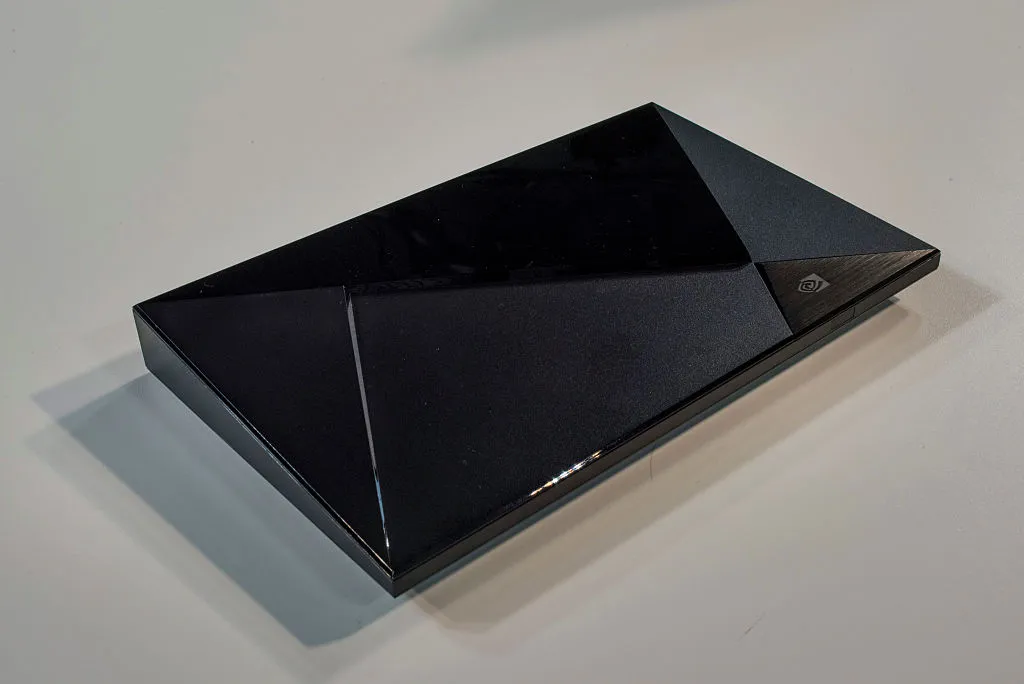
The Nvidia Shield TV Is 7 Years Old. It Just Got a $100 Price Hike
The price of anything with memory is skyrocketing thanks to AI. Aging streaming devices are no exception.