
Why Data Centers Rarely Reuse Cooling Water
While alternatives to evaporative cooling exist, most data centers don’t adopt them because the economics currently don’t justify the higher capital costs and operational complexity.
Get smart on it
Data centers consume enormous amounts of water for cooling their servers, with a 100 MW facility using roughly as much water annually as 5,000 homes. Most data centers use evaporative cooling systems that release water as vapor into the atmosphere, making on-site reuse impractical since recapturing that vapor would require condensing it back into heat, defeating the cooling purpose. The residual water that remains in these systems concentrates minerals that foul the equipment, so it cannot be reused without treatment and is typically discharged as wastewater. While alternatives exist such as closed-loop systems, treatment and reuse of blowdown, or graywater applications, most data centers have not adopted these options because the higher capital costs and operational complexity do not currently justify the investment in most markets.
Related news

The Corrosion Blind Spot in the AI Buildout
AI data centers' massive capital investments are at risk from corrosion, which begins during construction – not operations – yet preservation is rarely included in project governance or early planning.
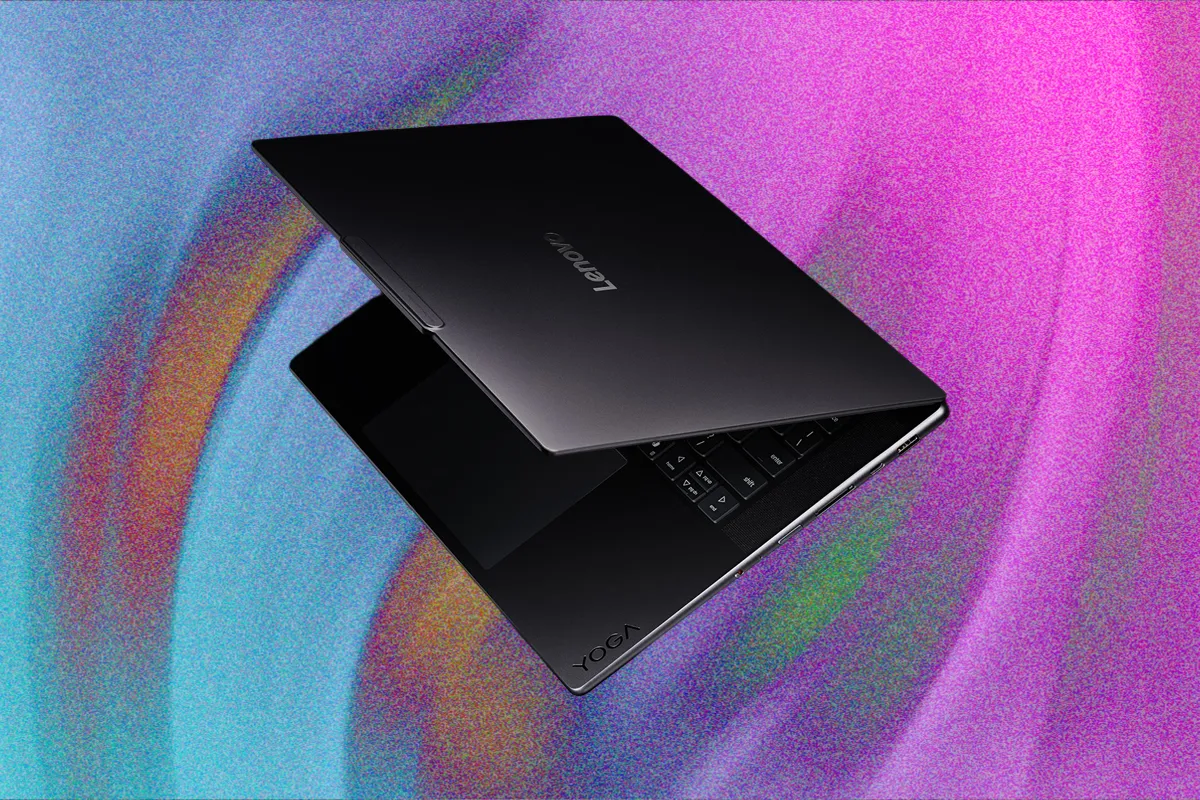
Nvidia RTX Spark ‘Superchip’: The First AI PCs Are Here
At IFA 2026, Nvidia and its partners showed off the first RTX Spark-powered laptops and mini PCs, designed to run AI models right on your computer.


