This Former Intel CEO Wants to Jumpstart Moore’s Law With Light
Pat Gelsinger wants to pave the way to ever more powerful artificial intelligence using tiny beams of light.
Get smart on it
A former semiconductor industry CEO has joined a venture capital firm focused on deep tech investments, aiming to support semiconductor startups working to revive Moore's Law, the prediction that computing power doubles roughly every two years. The semiconductor industry has struggled to maintain this pace as transistors have become harder and more expensive to shrink further. The CEO believes advances in lithography, the process of etching chips using nanometer-scale light beams, are key to breaking through current limitations and enabling more powerful processors. He has taken a board position at a portfolio company developing new lithography techniques using light, with the goal of making artificial intelligence capabilities significantly better through improved chip technology.
Related news
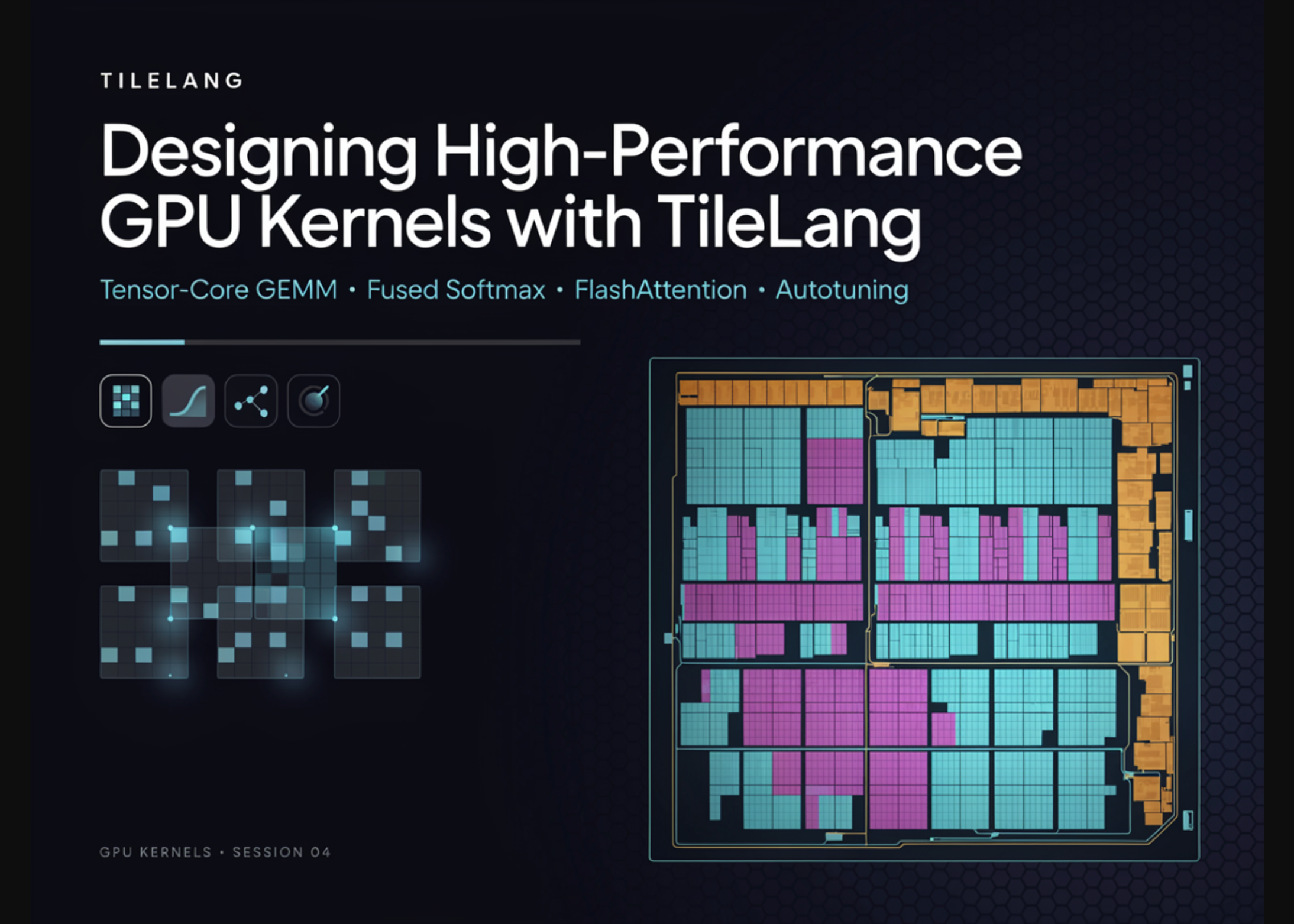
Designing High-Performance GPU Kernels with TileLang: Tensor-Core GEMM, Fused Softmax, FlashAttention, and Autotuning
In this tutorial, we explore TileLang as a high-level Python domain-specific language for designing and compiling performance-oriented GPU kernels through TVM. We begin by validating the CUDA environment and establishing reusable benchmarking and numerical-verification utilities, then progressively implement vector addition, tiled tensor-core matrix multiplication, schedule exploration, fused GEMM epilogues, row-wise softmax, and FlashAttention. Throughout the tutorial, we work directly with Ti

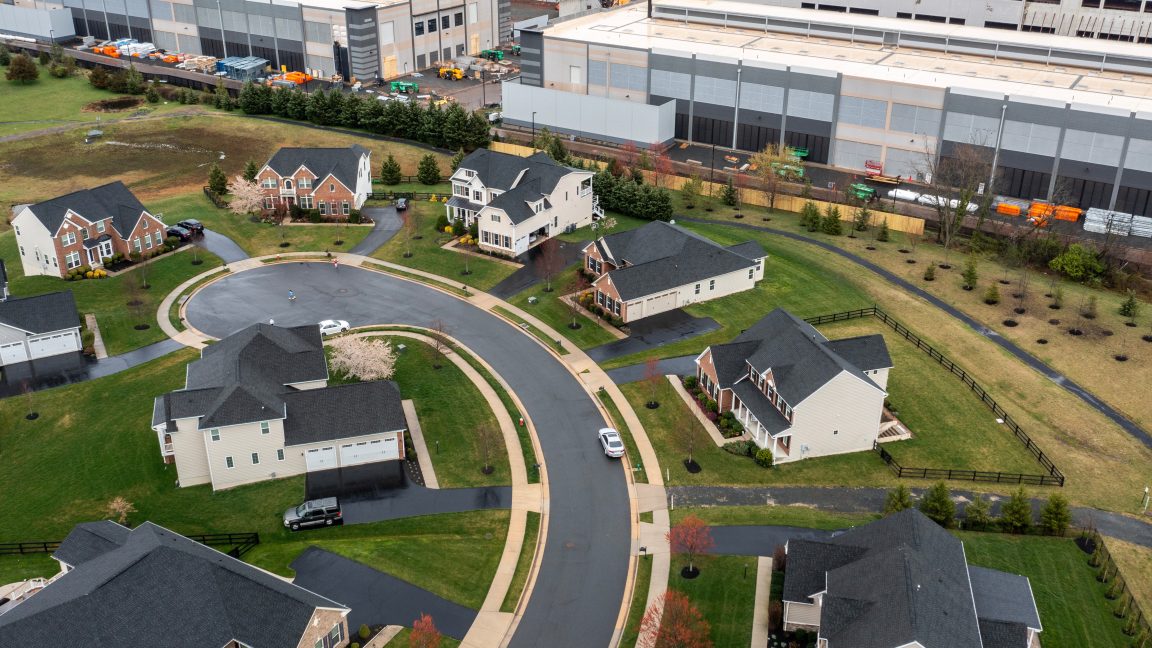
One fallen power line exposed a growing AI data center problem. Here’s how to fix it.
A close call in Northern Virginia revealed just how poorly data centers respond to grid disruptions. Here's how to fix the problem.

.jpg%3Fwidth%3D720%26quality%3D80%26disable%3Dupscale&s=kAmg5aaORKYzlMWL0upGuDAjzwWxVE-6xoVpfMYWKf4)