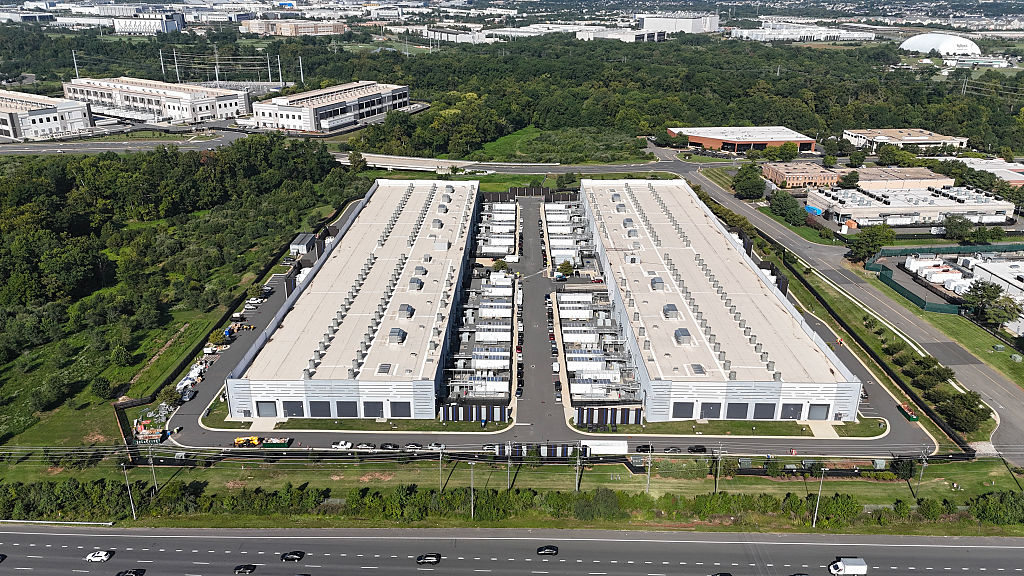
The Next Generation of AI Infrastructure Design Starts with Efficiency
AI infrastructure requires a systems-level design approach that integrates power, cooling, and compute to optimize efficiency, resilience, and adaptability – not just capacity.
Get smart on it
AI data centers are shifting from being designed purely for maximum capacity to being designed around efficiency across multiple interconnected systems like power, cooling, and computing. This matters because efficiency gains can lower operating costs, improve resilience, and reduce the need for expensive retrofits as workloads change. With thousands of data centers in development, operators now have the chance to build these integrated, efficient systems from the start rather than retrofitting them later. The approach requires looking beyond traditional single metrics like power usage effectiveness and instead measuring multiple factors including water consumption, carbon impact, energy reuse, compute utilization, and how facilities respond to grid conditions.
Related news

Rural Data Centers Are in for a Big Federal Tax Break
Under the One Big Beautiful Bill Act, data center projects in rural areas could be eligible for major tax benefits starting next year. Some hyperscalers do not seem eager to take the free cash.

The Nvidia Shield TV Is 7 Years Old. It Just Got a $100 Price Hike
The price of anything with memory is skyrocketing thanks to AI. Aging streaming devices are no exception.