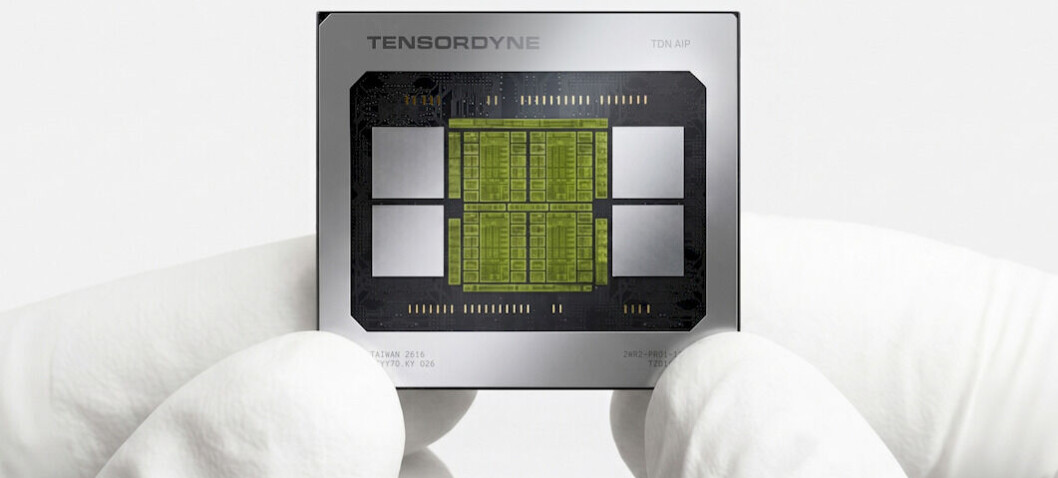
Tensordyne Converts AI Matrix Math To Logs To Crank Up Inference Oomph
Get smart on it
Tensordyne is a chip startup developing AI inference engines that use a mathematical transformation to convert matrix multiplication into addition of logarithms, which computers can perform more efficiently. This approach claims to deliver more than an order of magnitude better performance, lower cost, and lower power consumption compared to competing AI inference architectures. The company's "Napier" chip is designed to handle this logarithmic conversion automatically and transparently, addressing the computational intensity that currently makes AI inference expensive and power-hungry. The context matters because controlling AI inference costs has become economically significant as demand for AI systems drives major IT spending globally.
Related news
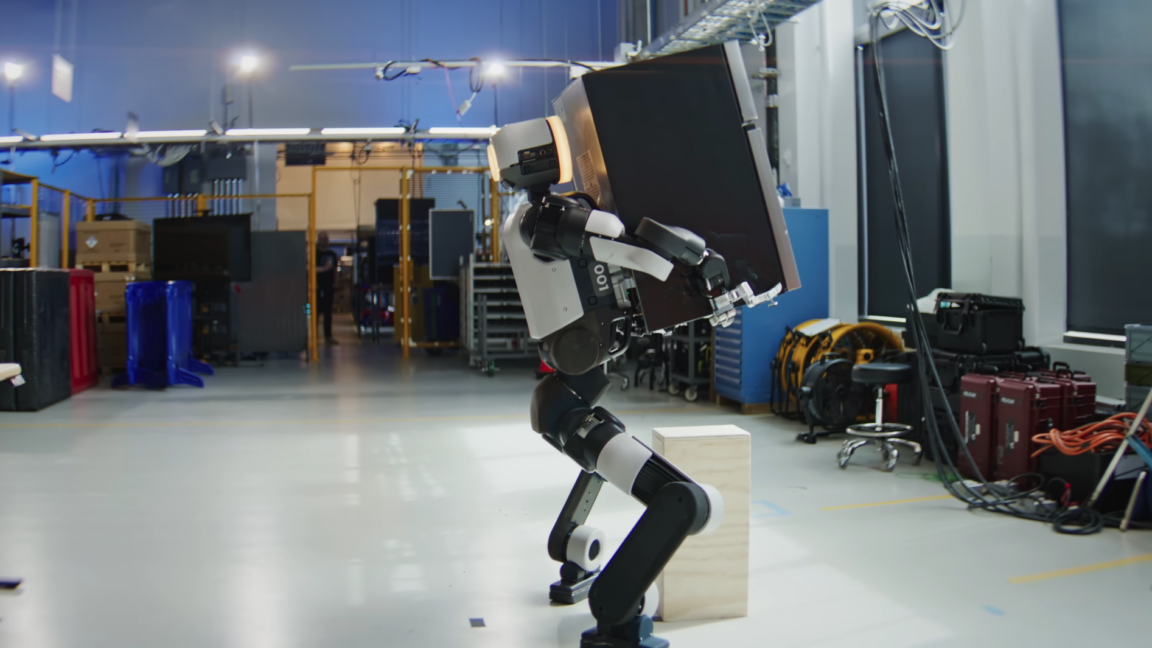
South Korea to spend $1T on more memory chip production and humanoid robots
South Korea’s government and top tech companies are committing $1 trillion to several flagship megaprojects that could bolster global memory chip supply, build new AI data centers and spur commercial deployment of humanoid robots by 2028. The announcement comes as South Korean companies such as Samsung and SK Hynix have enjoyed record profits and stock valuations due to the AI industry’s demand for memory chips—with the subsequent supply strain leading to memory chip shortages and higher prices

South Korean tech giants commit over $550B to ease ‘RAMageddon’
The world's two largest memory chip companies vow to build more memory lab fabs as South Korea positions itself as an AI tech powerhouse country.