AI’s Duplicate Demand Problem Spurs Grids to Commitment-First Planning
FERC filings show AI developers and grid operators converging on stricter readiness rules to separate real power demand from speculative projects.
Get smart on it
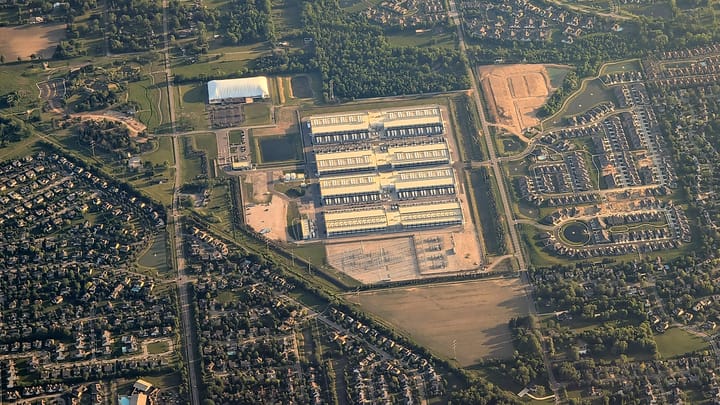
AI data center developers have been submitting duplicate power requests to multiple utilities while deciding where to build, causing regional electrical demand forecasts to be artificially inflated. Grid operators and regulators are now adopting "commitment-first" planning that requires meaningful commercial evidence of a project before it counts toward long-term transmission planning, filtering out speculative capacity requests from forecasts. This matters because inflated demand projections have driven unnecessary transmission infrastructure investments and influenced capacity pricing in organized markets. Various stakeholders including major technology companies, energy providers, and grid operators are converging on the principle that actual commitments, not announced plans, should shape how electricity grids invest in and plan for large-load projects.
Related news

Why Wall Street thinks US memory maker Micron is the next Nvidia
Eager to find more public AI-related companies that may do as well as Nvidia, Wall Street investors think they've found a winner with Micron.

SoftBank’s CEO isn’t the only one with questions about Elon Musk’s orbital data center hype
Not everyone is buying Elon Musk’s vision for orbital data centers.