Powering Behind-The-Meter Power: Where LNG and Process Safety Meet Digital Resilience
As LNG becomes critical infrastructure for data center resilience, operators must use performance-based fire modeling and proactively integrate fuel systems into their overall safety strategy.
Get smart on it
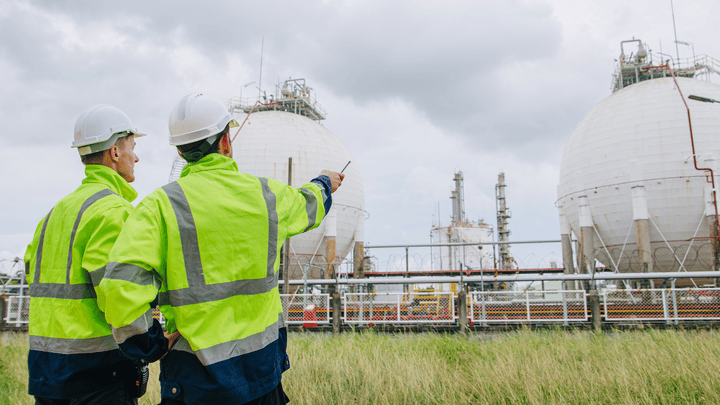
Data centers are increasingly using natural gas and liquefied natural gas (LNG) as backup power sources to support their massive energy needs, rather than relying solely on local utilities. LNG is efficient for storage because it takes up about 1/600th the volume of natural gas in vapor form, and when vaporized on demand, it can provide reliable fuel to keep backup generators running during gas supply interruptions. Fire safety is a critical concern when storing LNG near data centers, since the fire risk comes from unintended releases where LNG vaporizes and reaches an ignition source, requiring strategic facility layouts, detection systems, and performance-based fire modeling to separate potential leak points from occupied buildings. Data center operators who treat fuel systems as core infrastructure and coordinate fire protection needs across entire sites, rather than treating power generation and data center fire protection separately, will achieve more resilient operations.
Related news
ICF Warns Grid Deliverability May Limit AI-Era Power Growth
US electricity demand could rise 39% by 2035, but a new ICF report suggests the bigger challenge may be delivering power to fast-growing load centers.
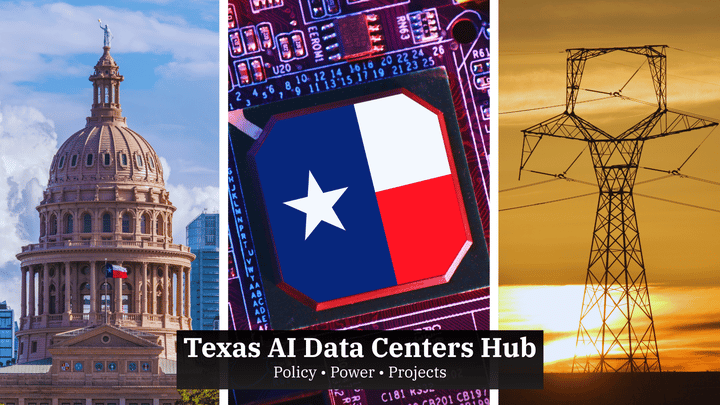
Texas AI Data Centers: Power, Policy, and Progress
The future of AI infrastructure is taking shape in Texas, where policy reform, power-first strategies, and transmission constraints are determining which gigawatt-scale campuses move from announcement to actual operation.