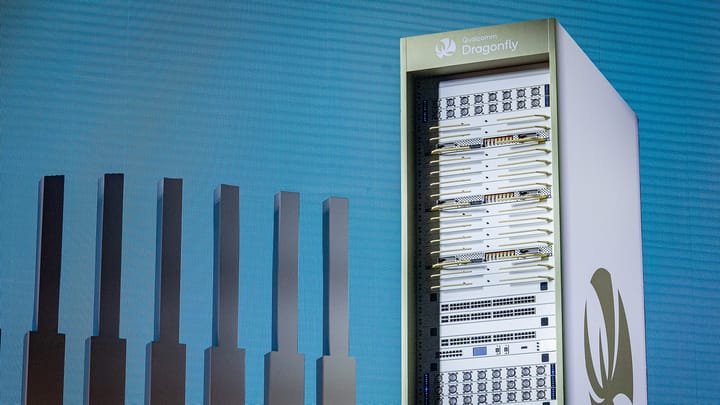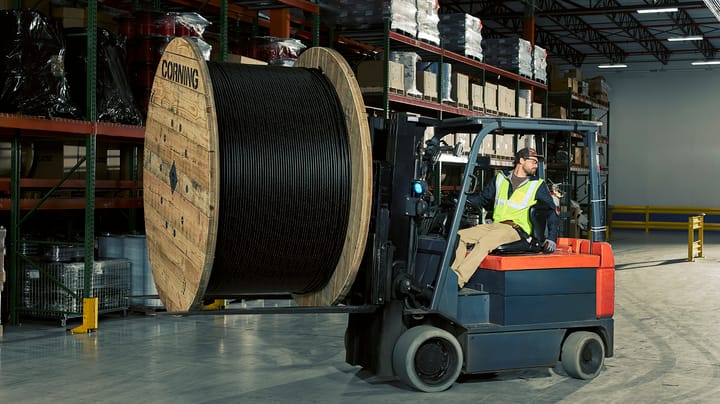
How Corning Became One of the Biggest Winners in AI Infrastructure
Corning’s AI deals with Meta, Amazon, and Nvidia show how optical infrastructure has become a strategic capacity as hyperscalers race to build AI clusters.
Get smart on it
Optical fiber and connectivity infrastructure has become a critical bottleneck for artificial intelligence deployment. Major technology companies have begun signing multibillion-dollar long-term agreements with suppliers to secure optical manufacturing capacity years in advance, signaling a shift from viewing this infrastructure as a standard commodity to treating it as a strategic dependency. Training and operating large language models requires thousands of accelerators working together in clusters that demand dramatically higher fiber density than traditional networks, creating compounding demand as systems grow larger. This represents a fundamental change in how the technology industry plans infrastructure, with customers now engaging suppliers on five to ten-year planning horizons focused on manufacturing capacity rather than purchasing products on conventional cycles.
Related news

ICF Warns Grid Deliverability May Limit AI-Era Power Growth
US electricity demand could rise 39% by 2035, but a new ICF report suggests the bigger challenge may be delivering power to fast-growing load centers.
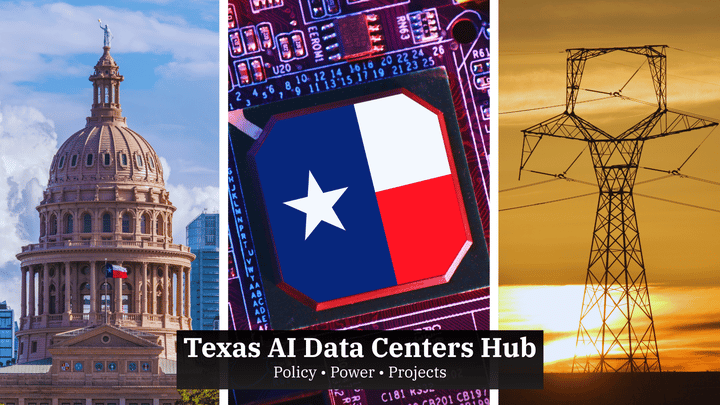
Texas AI Data Centers: Power, Policy, and Progress
The future of AI infrastructure is taking shape in Texas, where policy reform, power-first strategies, and transmission constraints are determining which gigawatt-scale campuses move from announcement to actual operation.