
Nvidia shifts from selling chips to selling AI factories
SiliconANGLE: Nvidia turns the AI factory into a product, and agents into the workload
For most of the past half-decade, the narrative around Nvidia Corp. has largely centered on the graphics processing unit. The questions have been who has allocation, how much faster the next generation is and whether anyone can close the gap. At GTC Berlin early today, Chief Executive Jensen Huang spent surprisingly little of his keynote […] The post Nvidia turns the AI factory into a product, and agents into the workload appeared first on SiliconANGLE.
Get smart on it
Nvidia announced new products designed to shift its business from selling individual components to selling complete systems for running artificial intelligence as a manufacturing operation. The announcements include containerized factory designs that reduce deployment time, power management systems that make data centers more flexible grid partners, security architecture that isolates autonomous agents from networks and data they shouldn't access, and data models that help agents work with enterprise databases rather than just documents. These moves matter because the constraints in AI have shifted from hardware availability to deployment speed, power efficiency, security, and the ability to put enterprise data to work, which requires solving problems at the infrastructure level rather than just the chip level.
Relevant courses
Want to go deeper than the news? Explore live, cohort-based AI courses taught by practitioners.
Browse AI courses on MavenRelated news

Nvidia Unveils DSX Pod for Faster AI Data Center Builds
Nvidia said the DSX Pod, a prebuilt containerized AI data center, reduces deployment time from six months to 14 days.
Also reported by The Decoder
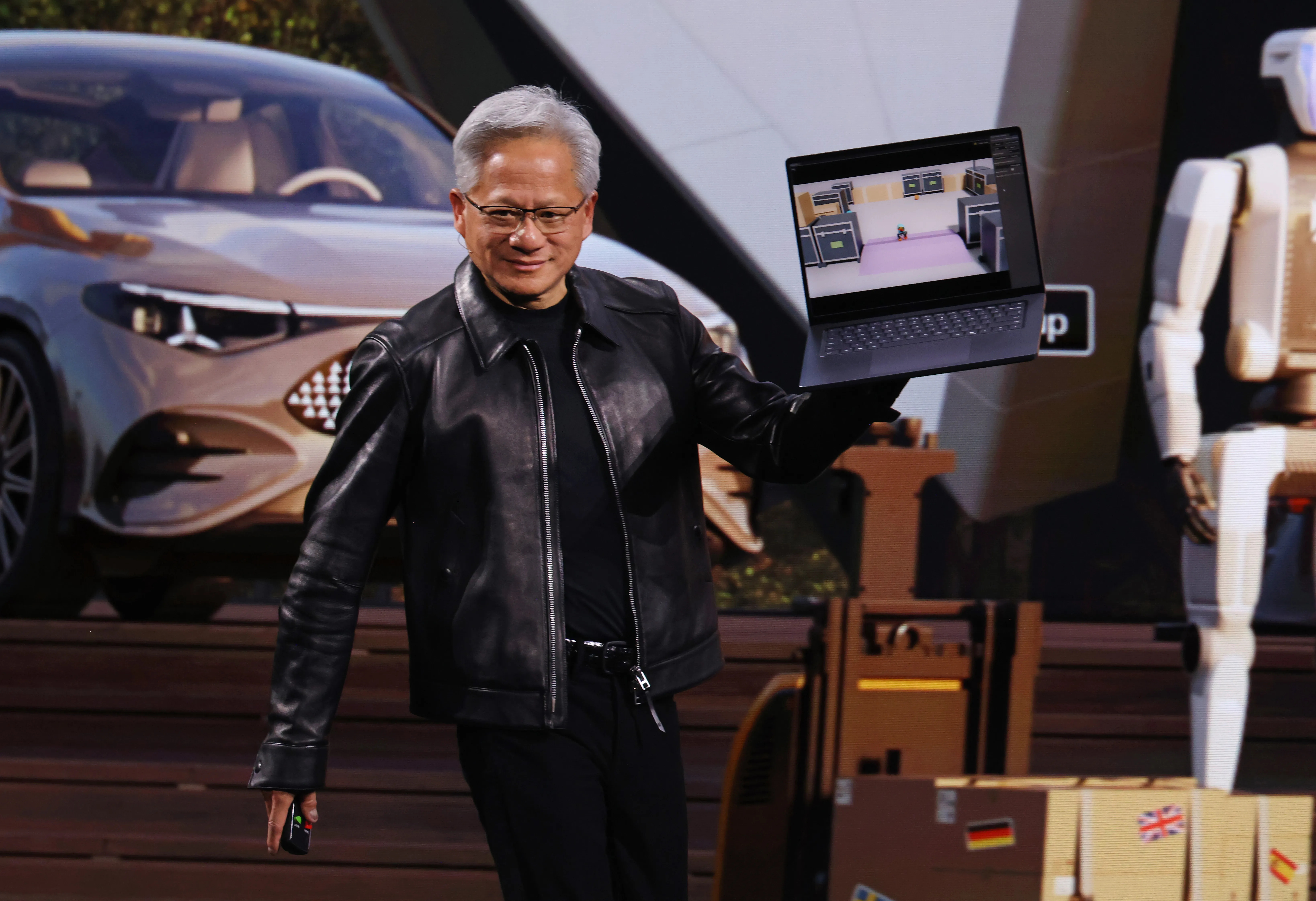
Jensen Huang’s Vision for Europe Runs on Plug-In Data Centers
At Nvidia’s GTC in Berlin, Huang unveiled their new plug-in data center—the DSX Pod—as the key to unlocking Europe’s AI infrastructure lag. Oh, and autonomous humanoid robotics.
Mistral Advances AI for Engineering with NVIDIA
Mistral is collaborating with NVIDIA to develop a new generation of AI-native engineering workflows powered by NVIDIA accelerated computing.
Also reported by The Decoder

The Huawei-DeepSeek Symbiosis
Right before China’s national day holidays, DeepSeek released Ascend support for TileLang, DeepGEMM, DeepEP, TileKernels, FlashMLA, and DeepSelect.Neither can do this alone. Although they have Pangu, Huawei has no frontier lab to prove their chip can train or infer models, DeepSeek has models but cannot buy the compute it needs. Each supplies exactly what the other lacks: Huawei provides the hardware and native software stack; DeepSeek brings the workloads and engineering needed to make th

Hugging Face ❤️ TorchTPU: TPUs, Natively
Tighter integration between the popular open-source platform and Google's specialized processors could lower barriers for researchers training large models.
Also reported by MarkTechPost and SiliconANGLE
Google Cloud and NVIDIA Announce General Availability of NVIDIA Vera Rubin Infrastructure
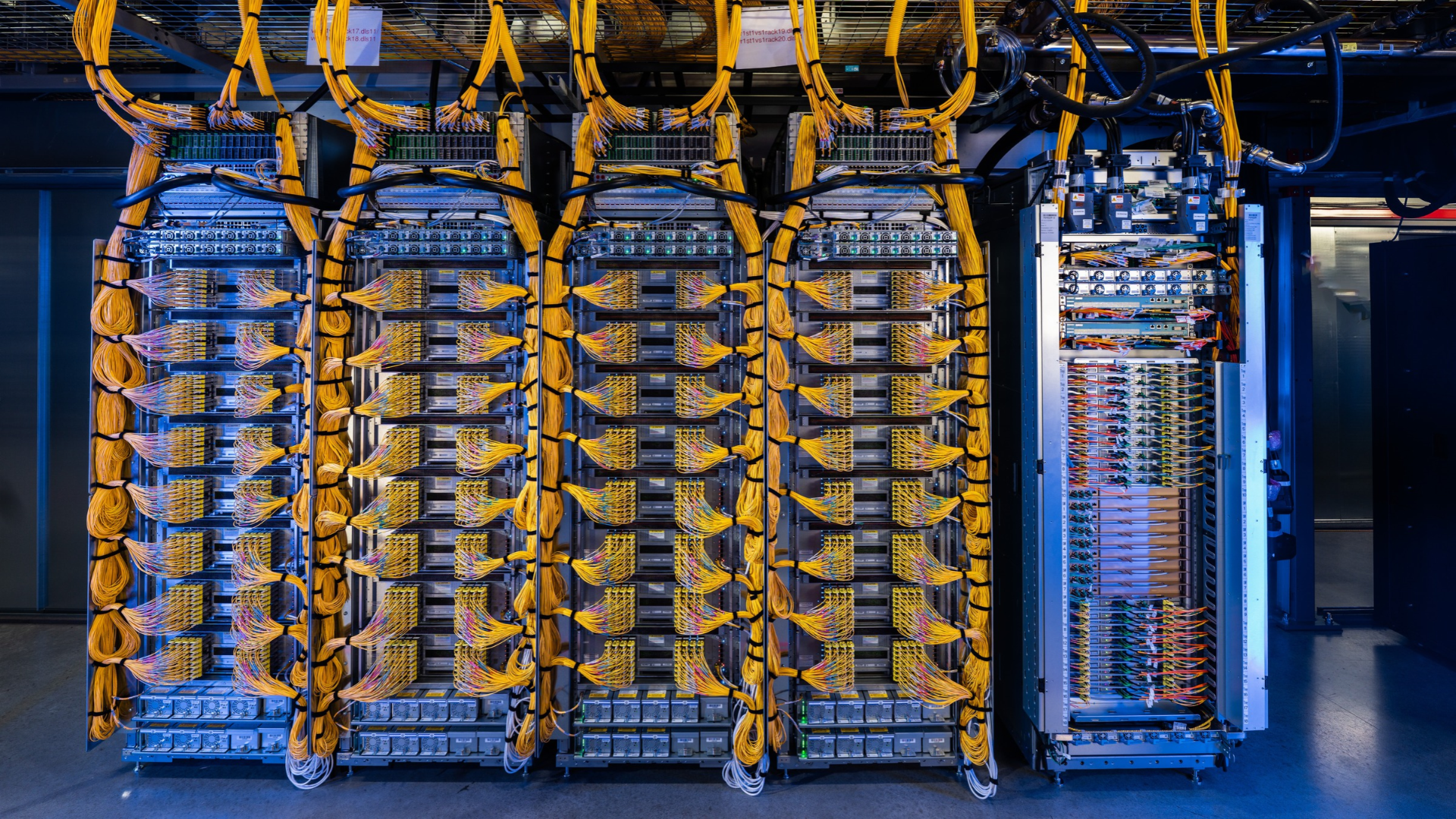
General availability of the instances is coming next month, with planned expansion of availability to Europe — bringing an integrated platform for training, inference and large-scale reinforcement learning to cloud customers. A5X instances bring together NVIDIA Vera Rubin NVL72, NVIDIA ConnectX-9 SuperNICs, Google Cloud Virgo Network and Google Cloud’s fourth-generation advanced liquid-cooling technology for demanding agentic inference and reinforcement learning workloads at scale. Google Cloud