
Meeting AI Demand: Alternate Power, Design, and Site Strategy
AI’s explosive growth is forcing a fundamental reimagining of data center infrastructure.
Get smart on it
AI data centers require fundamental changes to traditional infrastructure because their computational demands far exceed what existing power grids and building designs can support. Power demand from AI data centers in the United States could grow more than thirtyfold by 2035, with grid stress being the leading obstacle to development. Companies are addressing this by adopting alternative energy sources such as small modular reactors and on-site power generation, while redesigning facilities to handle much higher power densities in server racks and relocating support systems outside buildings. Strategic site selection now prioritizes access to alternative fuels, less strained grids, and regulatory environments that support innovative energy solutions rather than relying solely on traditional connectivity and climate considerations.
Related news

The Corrosion Blind Spot in the AI Buildout
AI data centers' massive capital investments are at risk from corrosion, which begins during construction – not operations – yet preservation is rarely included in project governance or early planning.
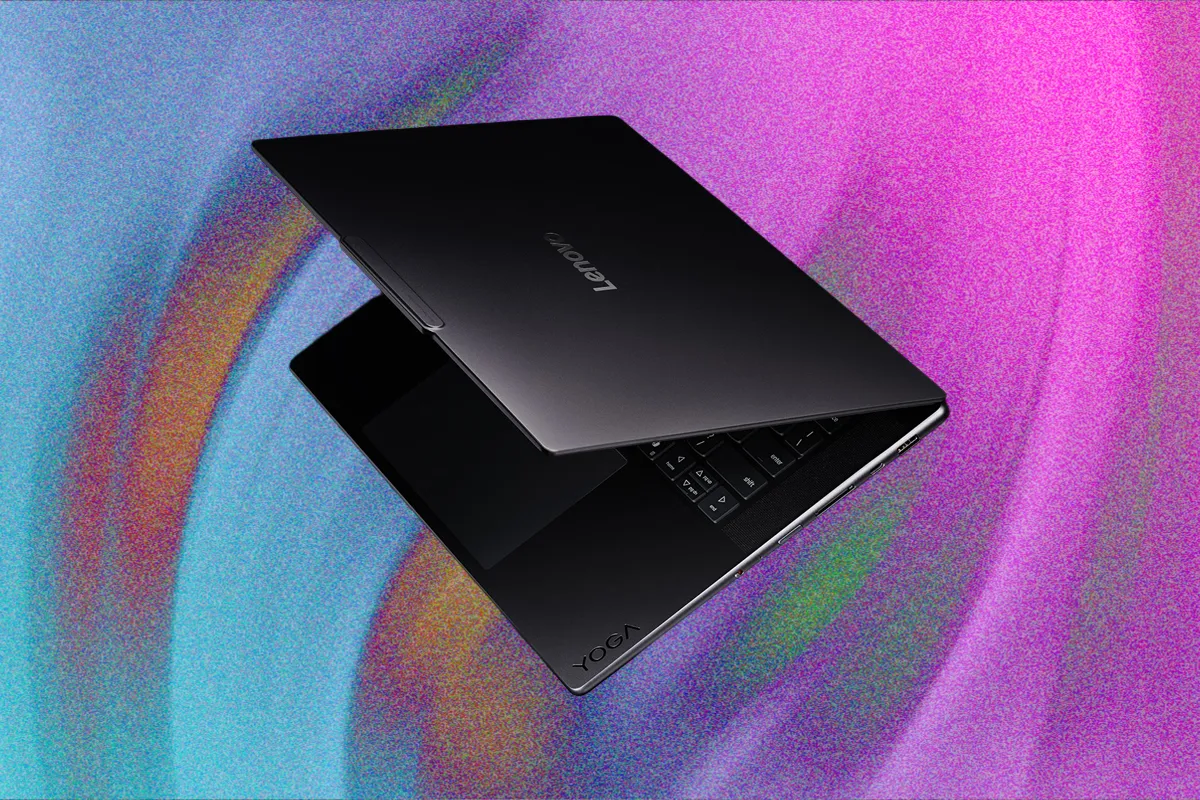
Nvidia RTX Spark ‘Superchip’: The First AI PCs Are Here
At IFA 2026, Nvidia and its partners showed off the first RTX Spark-powered laptops and mini PCs, designed to run AI models right on your computer.


