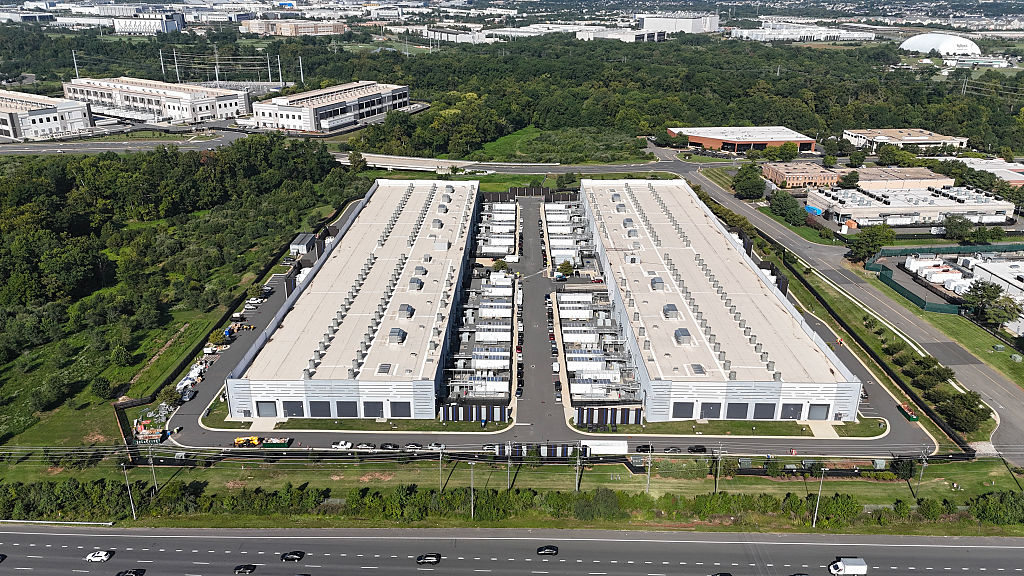
Low-Frequency Noise and Data Centers: What to Know
Infrasound produced by data centers is increasingly scrutinized by communities, making proactive mitigation and transparent communication essential for operators.
Get smart on it
Infrasound is low-frequency acoustic energy below 20 Hz that most people cannot hear but may perceive as pressure changes, vibrations, or buzzing in structures. Data centers generate infrasound from cooling towers, large axial fans, and standby generators, with the latter being a major contributor during testing or outages. Although infrasound is often not covered by local noise ordinances and scientific evidence remains limited, residents near data centers increasingly complain that low-frequency noise causes headaches, nausea, and anxiety, making infrasound mitigation and community communication increasingly important for data center operators. Practical mitigation strategies include regularly cleaning fans and mechanical components and installing larger fans that operate at lower speeds.
Related news

Rural Data Centers Are in for a Big Federal Tax Break
Under the One Big Beautiful Bill Act, data center projects in rural areas could be eligible for major tax benefits starting next year. Some hyperscalers do not seem eager to take the free cash.
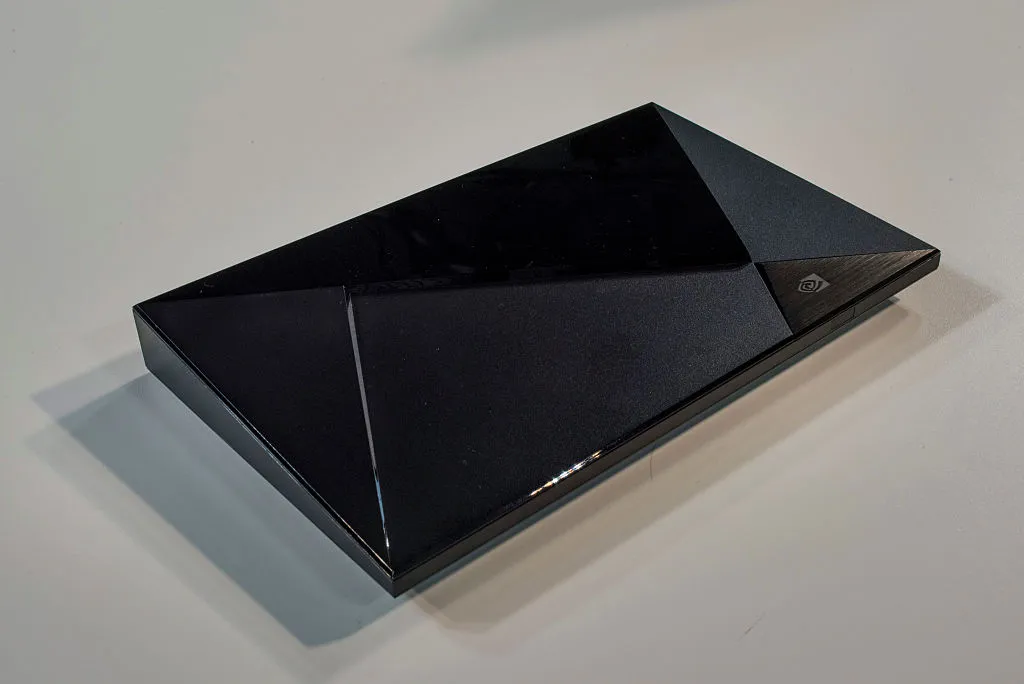
The Nvidia Shield TV Is 7 Years Old. It Just Got a $100 Price Hike
The price of anything with memory is skyrocketing thanks to AI. Aging streaming devices are no exception.