HPE’s Datacenter Networking Picture Comes Into Clearer Focus
Get smart on it
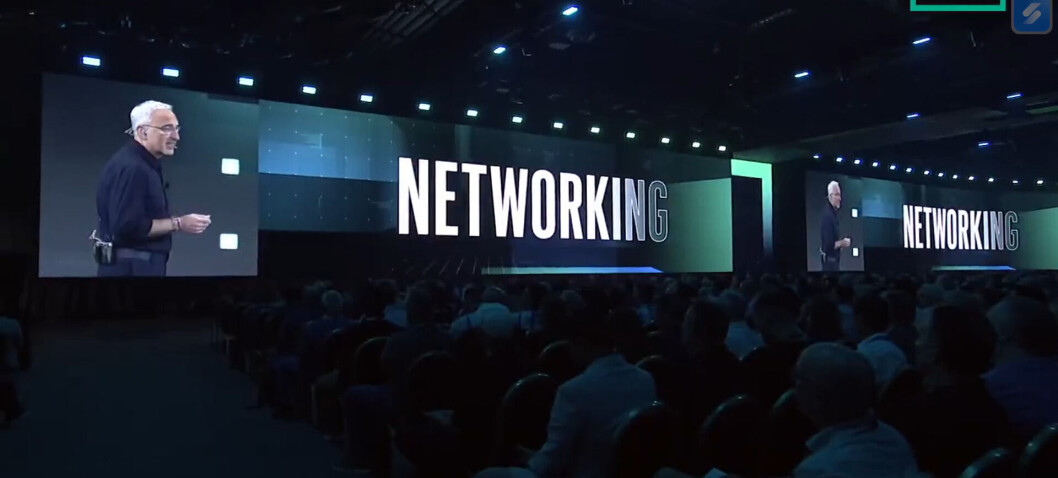
A major technology company has integrated networking equipment from a recently acquired rival to create what it calls a "self-driving network" that uses artificial intelligence to automatically configure, optimize, and repair itself with minimal human involvement. The company embedded AI technology throughout its network systems, from cloud datacenters to edge locations, combining platforms and AI engines to provide automated troubleshooting that can resolve problems in minutes rather than hours or days. This matters because artificial intelligence workloads, particularly AI agents and inference tasks, generate significantly more network traffic than traditional tools and require different network performance characteristics, making the network layer critical to overall AI infrastructure performance. The shift reflects how both this company and its competitors view networking as foundational to supporting the emerging demands of large-scale AI deployment.
Related news
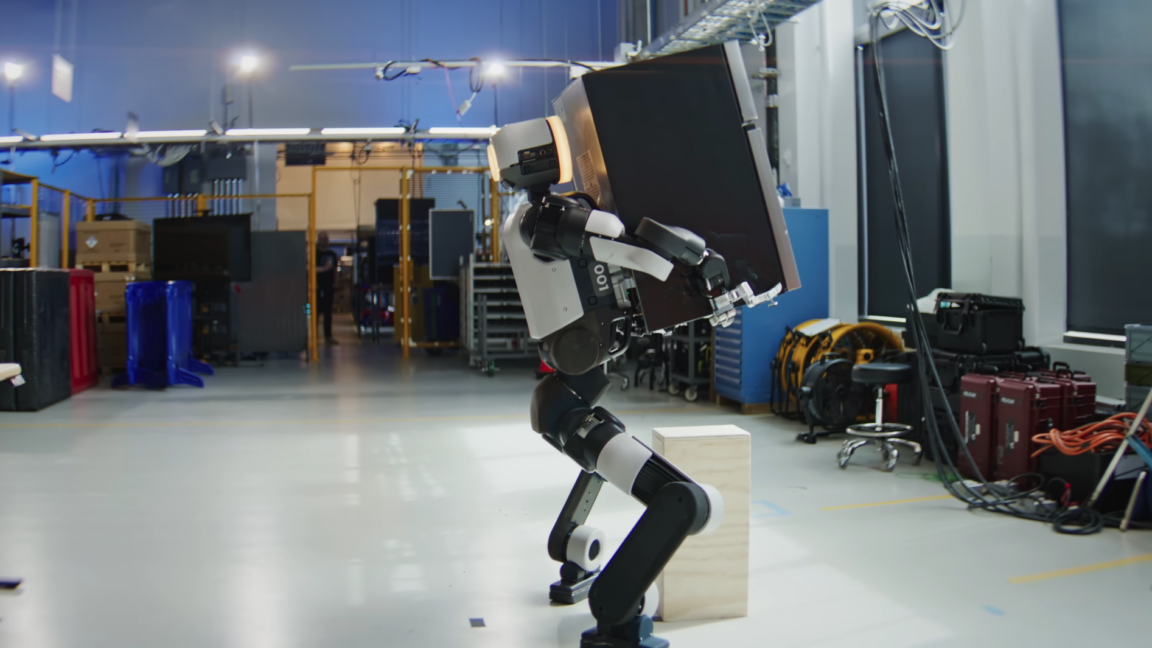
South Korea to spend $1T on more memory chip production and humanoid robots
South Korea’s government and top tech companies are committing $1 trillion to several flagship megaprojects that could bolster global memory chip supply, build new AI data centers and spur commercial deployment of humanoid robots by 2028. The announcement comes as South Korean companies such as Samsung and SK Hynix have enjoyed record profits and stock valuations due to the AI industry’s demand for memory chips—with the subsequent supply strain leading to memory chip shortages and higher prices

South Korean tech giants commit over $550B to ease ‘RAMageddon’
The world's two largest memory chip companies vow to build more memory lab fabs as South Korea positions itself as an AI tech powerhouse country.