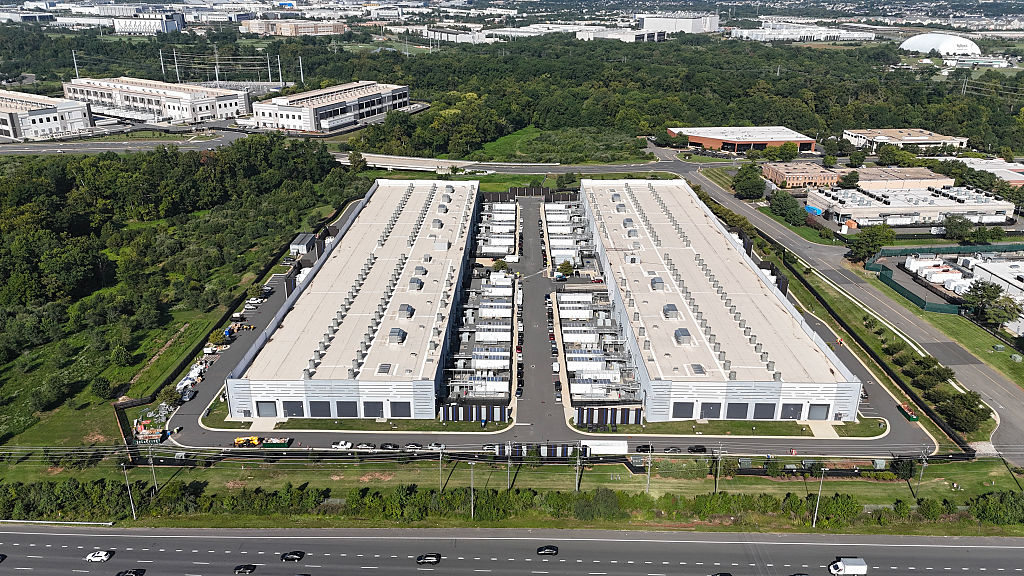
How Carbon-Aware Scheduling Can Cut Data Center Emissions
Aligning flexible workloads to cleaner hours and locations turns variability into measurable Scope 2 reductions.
Get smart on it
Carbon-aware scheduling is a practice of running flexible computing tasks, such as data backups and AI model training, during times when electricity grids have lower carbon intensity or when on-site renewable energy is available. Data center operators can reduce emissions by aligning these time-flexible workloads with periods and locations where cleaner energy is most abundant, rather than treating carbon footprints as fixed to a facility's size. Implementation requires tracking which workloads can shift without violating service requirements, measuring power consumption at detailed levels, and potentially installing on-site renewable energy and battery storage to guarantee low-carbon power during scheduled tasks. This approach complements longer-term renewable energy procurement and efficiency programs while addressing regulatory expectations around data center electricity demand.
Related news

Rural Data Centers Are in for a Big Federal Tax Break
Under the One Big Beautiful Bill Act, data center projects in rural areas could be eligible for major tax benefits starting next year. Some hyperscalers do not seem eager to take the free cash.

The Nvidia Shield TV Is 7 Years Old. It Just Got a $100 Price Hike
The price of anything with memory is skyrocketing thanks to AI. Aging streaming devices are no exception.