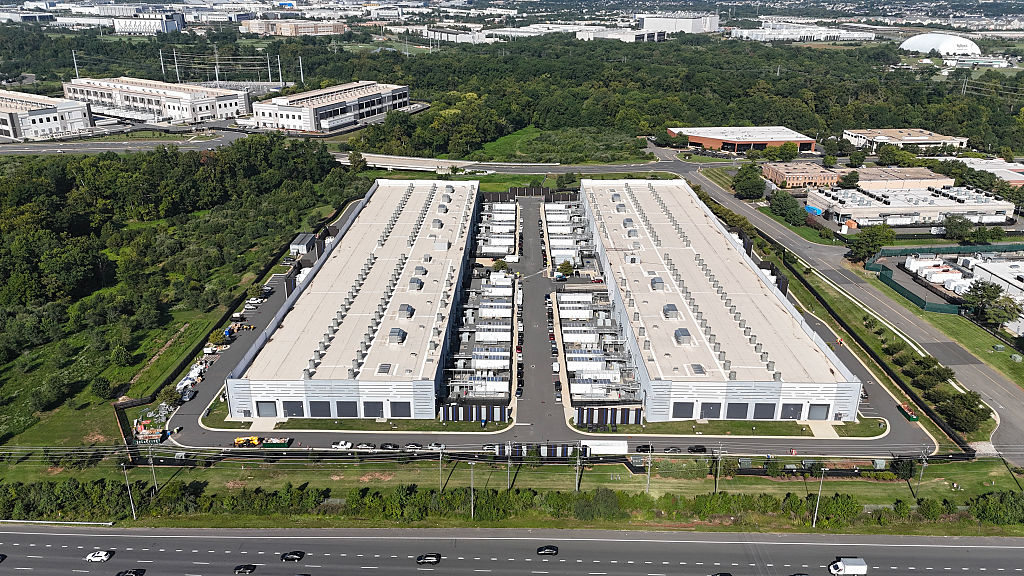
Google’s Grid-Interactive AI Data Centers: From Backup to Grid Partner
At Data Center World Power, Google’s Tom Garvens detailed how full-stack design, LVDC power, BESS, and liquid cooling are reshaping hyperscale AI while supporting local grids.
Get smart on it
AI data centers are being redesigned to actively support electrical grids rather than simply draw power from them. As AI infrastructure expands at unprecedented pace, data centers are implementing technologies like battery energy storage systems, low-voltage direct current architectures, and liquid cooling to make their power consumption more efficient and grid-friendly. This matters because the rapid growth of AI compute demand is outpacing utility companies' ability to expand grid capacity, so hyperscale data centers must become partners in grid stability rather than competitors for constrained power resources. The approach involves optimizing entire systems from chip design through facility layout and using software to shift workloads across multiple locations to smooth power demand and reduce strain on local grids.
Related news

Rural Data Centers Are in for a Big Federal Tax Break
Under the One Big Beautiful Bill Act, data center projects in rural areas could be eligible for major tax benefits starting next year. Some hyperscalers do not seem eager to take the free cash.

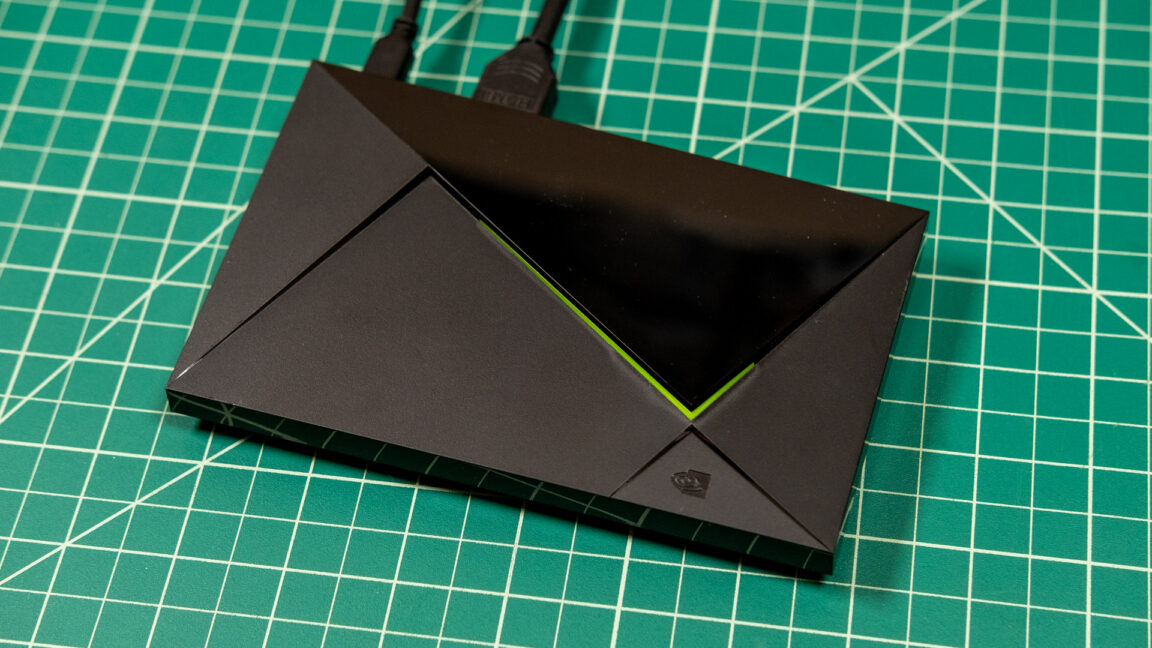
The Nvidia Shield TV Is 7 Years Old. It Just Got a $100 Price Hike
The price of anything with memory is skyrocketing thanks to AI. Aging streaming devices are no exception.