Google's first Suncatcher orbital data center test launches October 1
Google is taking its first step toward making Project Suncatcher a reality. Announced last year, Suncatcher is Google's "moonshot" effort to design orbital AI data centers, which AI boosters like Elon Musk and Jeff Bezos have pitched as an alternative to divisive terrestrial data centers. Google's first experimental satellite will launch on October 1 with the aim of validating Google's vision for a constellation of AI satellites. The satellite, dubbed MVP, is about the size of a refrigerator. In
Get smart on it
Google is launching an experimental satellite on October 1 to test whether AI processing hardware can operate effectively in space. The satellite, about refrigerator-sized, will contain custom AI accelerator chips powered by solar panels and will only run for brief 15-minute periods because cooling the chips in space presents a major engineering challenge. This test is part of a larger effort to eventually build networks of orbiting satellites for AI computing, which supporters see as an alternative to power-intensive ground-based data centers. The mission will help Google understand what technical obstacles need to be solved before such orbital AI systems become practical.
Related news

Rural Data Centers Are in for a Big Federal Tax Break
Under the One Big Beautiful Bill Act, data center projects in rural areas could be eligible for major tax benefits starting next year. Some hyperscalers do not seem eager to take the free cash.
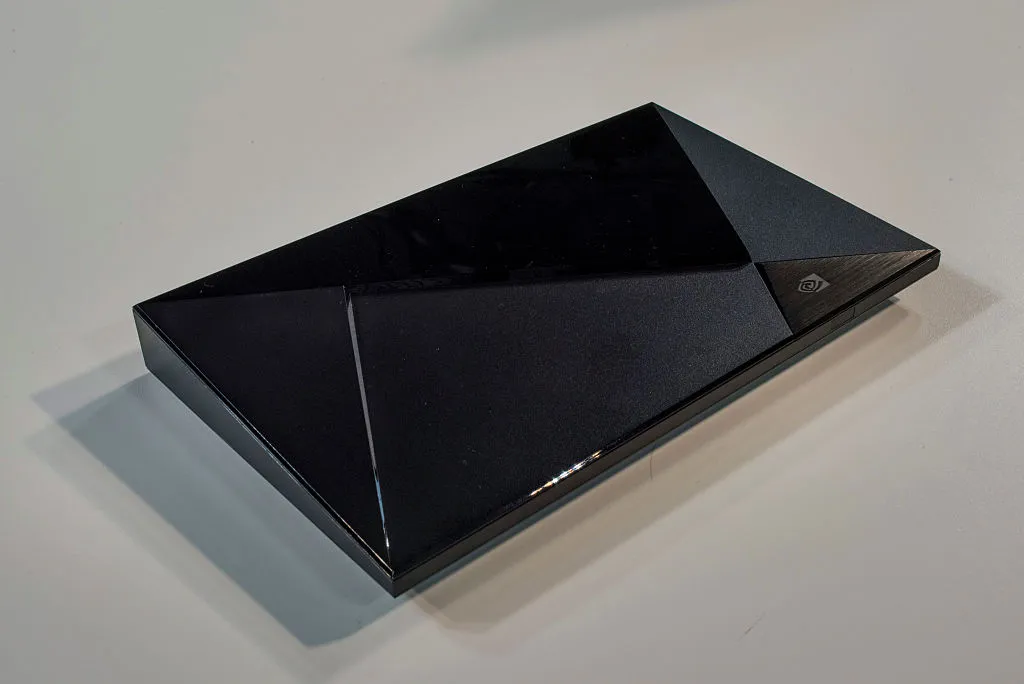
The Nvidia Shield TV Is 7 Years Old. It Just Got a $100 Price Hike
The price of anything with memory is skyrocketing thanks to AI. Aging streaming devices are no exception.