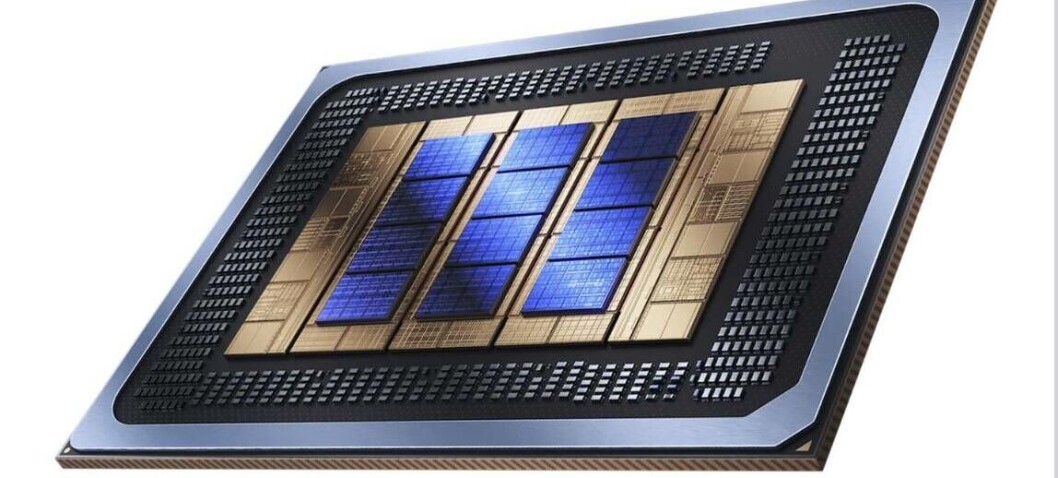
Enhanced Performance For Server Consolidation With Intel Xeon 6+
Get smart on it
AI workloads are consuming datacenter capacity faster than operators can expand it, creating an immediate need for server consolidation rather than treating it as a long-term efficiency project. A new processor has been engineered with high core density and efficiency to help organizations consolidate older servers onto denser, more efficient platforms, recovering physical space and power budget for future AI deployments. This consolidation approach is particularly relevant for environments where building new datacenters or expanding existing ones is difficult, such as at the edge. The shift toward consolidation and AI expansion means that retiring legacy server equipment is becoming a precondition for enabling next-generation AI infrastructure.
Related news
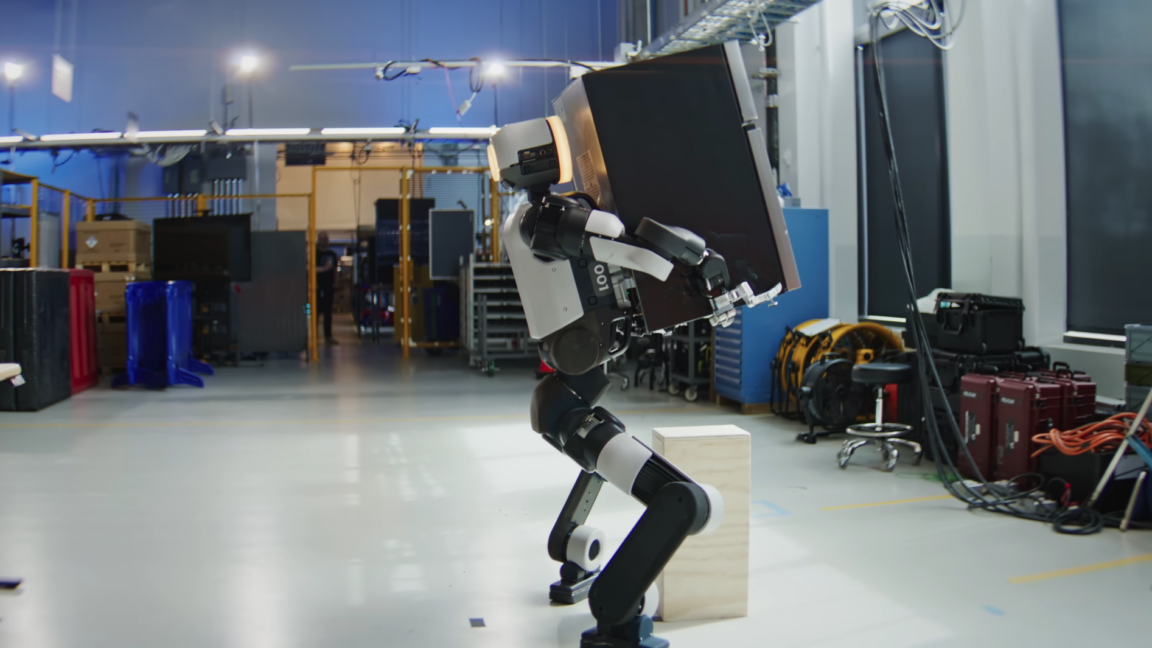
South Korea to spend $1T on more memory chip production and humanoid robots
South Korea’s government and top tech companies are committing $1 trillion to several flagship megaprojects that could bolster global memory chip supply, build new AI data centers and spur commercial deployment of humanoid robots by 2028. The announcement comes as South Korean companies such as Samsung and SK Hynix have enjoyed record profits and stock valuations due to the AI industry’s demand for memory chips—with the subsequent supply strain leading to memory chip shortages and higher prices

South Korean tech giants commit over $550B to ease ‘RAMageddon’
The world's two largest memory chip companies vow to build more memory lab fabs as South Korea positions itself as an AI tech powerhouse country.