Dell Makes The Profits Up In Volume For Booming AI Servers
Get smart on it
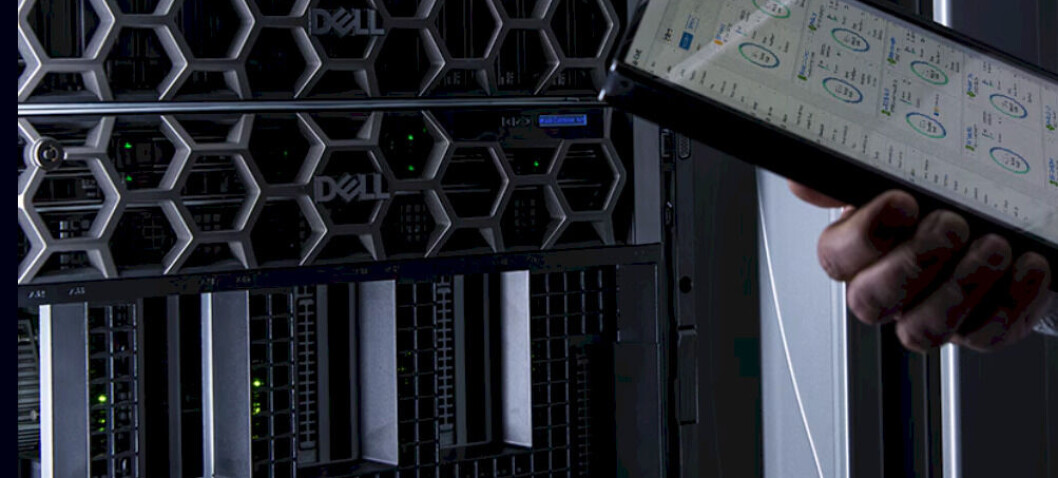
Dell's datacenter business is experiencing dramatic growth driven primarily by demand for AI servers, with revenues increasing nearly 2.8 times year-over-year. The company is making relatively low profit margins on these AI systems but compensates by selling in high volume, while also profiting more substantially from traditional server sales to enterprise customers at higher margins. This growth is possible because Nvidia has allocated GPU supplies to Dell, making the company a key supplier for AI infrastructure in the United States and potentially Europe. The broader context is that Nvidia controls the flow of AI compute through its GPU allocations, giving it significant influence over which companies can capitalize on the AI boom.
Related news
South Korea to spend $1T on more memory chip production and humanoid robots
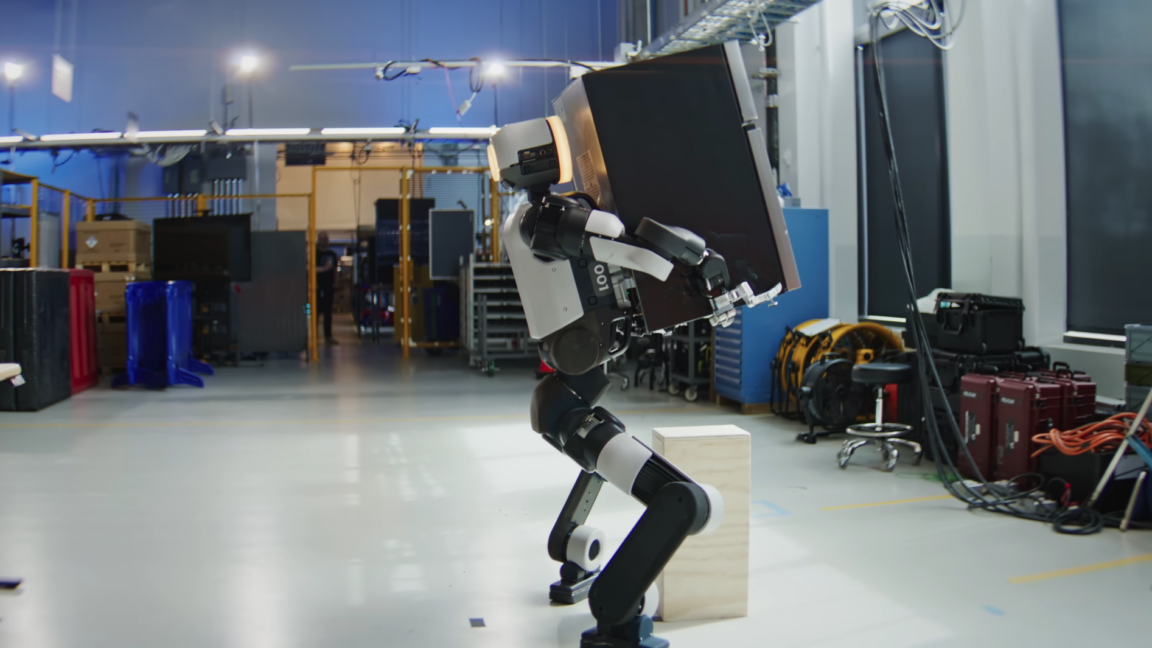
South Korea’s government and top tech companies are committing $1 trillion to several flagship megaprojects that could bolster global memory chip supply, build new AI data centers and spur commercial deployment of humanoid robots by 2028. The announcement comes as South Korean companies such as Samsung and SK Hynix have enjoyed record profits and stock valuations due to the AI industry’s demand for memory chips—with the subsequent supply strain leading to memory chip shortages and higher prices

South Korean tech giants commit over $550B to ease ‘RAMageddon’
The world's two largest memory chip companies vow to build more memory lab fabs as South Korea positions itself as an AI tech powerhouse country.