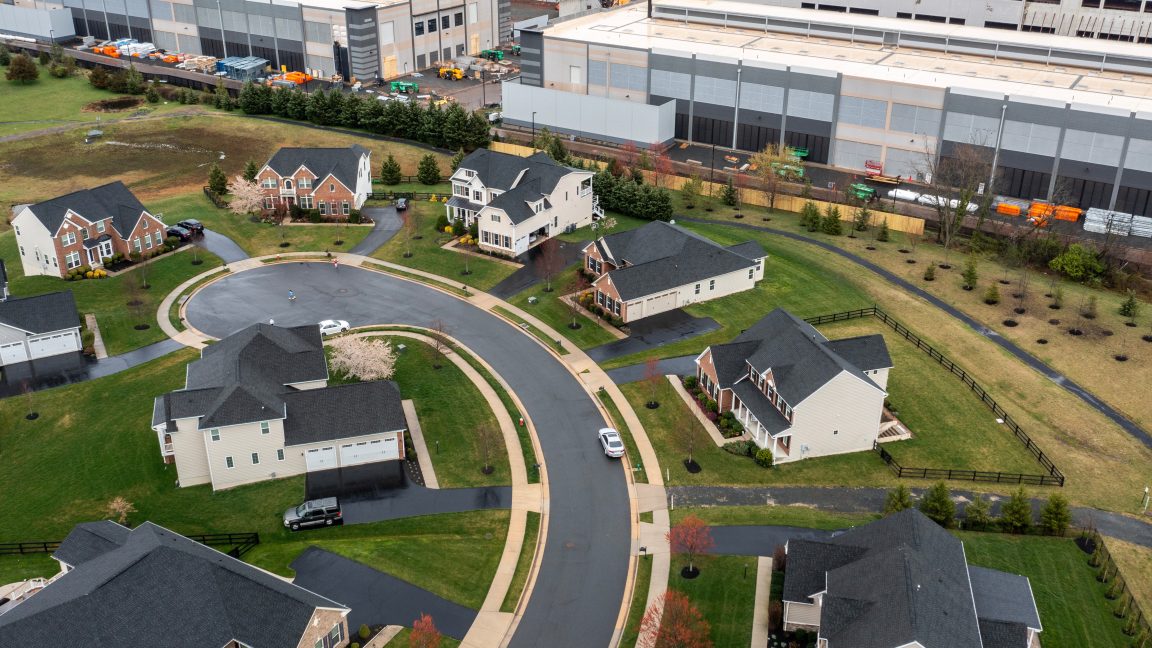
Data centers expected to use 4x more electricity by 2035
New data centers built through 2033 could consume as much electricity as India uses today.
Get smart on it
Data centers are projected to consume four times more electricity by 2035 than they do today, driven by a surge in AI compute demand. By 2035, data centers are expected to use one-fifth of all electricity generated in the U.S., with nearly half of that capacity devoted to training and inference. This rapid growth is straining electrical grids across the country, particularly in regions like the PJM Interconnection and Texas, where data centers will require substantial portions of available generating capacity. Multiple forecasting organizations have significantly raised their electricity demand estimates in recent months, reflecting the accelerating pace of data center development.
Related news

Designing High-Performance GPU Kernels with TileLang: Tensor-Core GEMM, Fused Softmax, FlashAttention, and Autotuning
In this tutorial, we explore TileLang as a high-level Python domain-specific language for designing and compiling performance-oriented GPU kernels through TVM. We begin by validating the CUDA environment and establishing reusable benchmarking and numerical-verification utilities, then progressively implement vector addition, tiled tensor-core matrix multiplication, schedule exploration, fused GEMM epilogues, row-wise softmax, and FlashAttention. Throughout the tutorial, we work directly with Ti

One fallen power line exposed a growing AI data center problem. Here’s how to fix it.
A close call in Northern Virginia revealed just how poorly data centers respond to grid disruptions. Here's how to fix the problem.

.jpg%3Fwidth%3D720%26quality%3D80%26disable%3Dupscale&s=kAmg5aaORKYzlMWL0upGuDAjzwWxVE-6xoVpfMYWKf4)