Data And Storage At The Center Of The AI Stack
Get smart on it
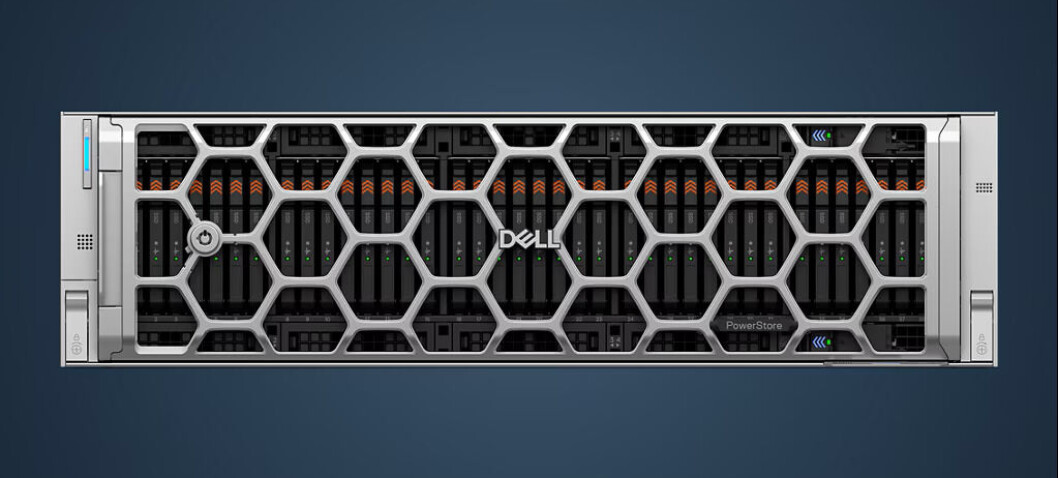
Data and storage technology have become central to artificial intelligence infrastructure, particularly for keeping processors fed with information during AI operations. Enterprise executives have historically underestimated how critical data management is to building effective AI systems, whether for training models or running them. The challenge involves organizing, cleaning, and preparing data from multiple sources and storage locations so that processors can continuously access it at the speeds needed for AI workloads. Without proper data infrastructure, expensive computing hardware cannot deliver business value, making storage systems and data management capabilities as important as the processors themselves.
Related news
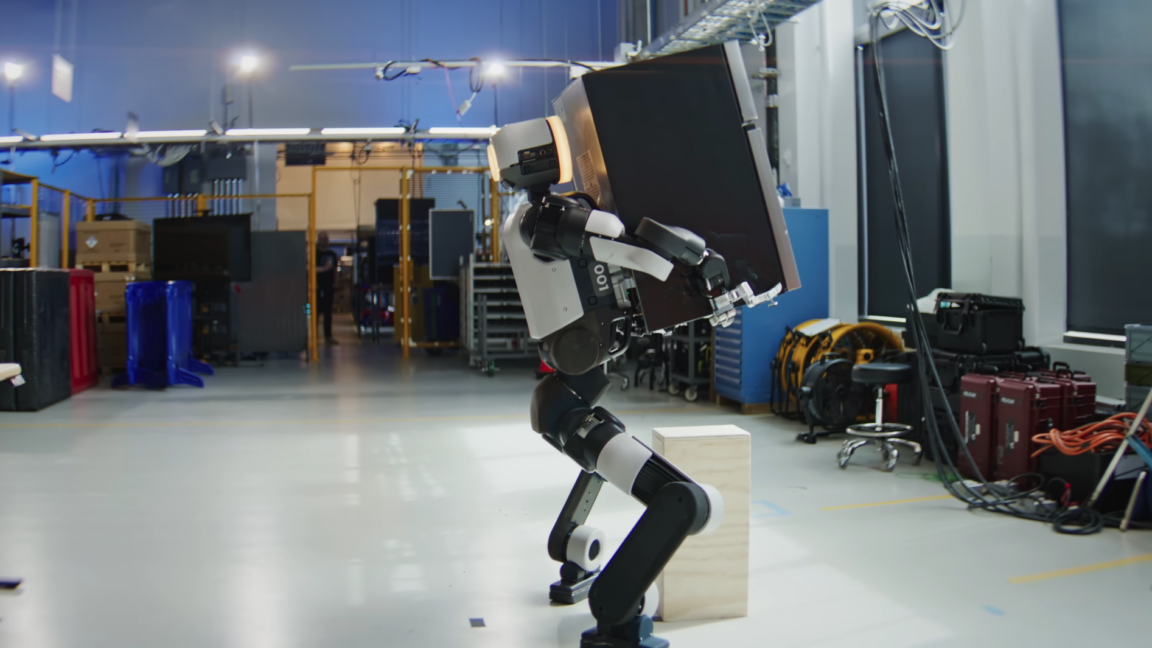
South Korea to spend $1T on more memory chip production and humanoid robots
South Korea’s government and top tech companies are committing $1 trillion to several flagship megaprojects that could bolster global memory chip supply, build new AI data centers and spur commercial deployment of humanoid robots by 2028. The announcement comes as South Korean companies such as Samsung and SK Hynix have enjoyed record profits and stock valuations due to the AI industry’s demand for memory chips—with the subsequent supply strain leading to memory chip shortages and higher prices

South Korean tech giants commit over $550B to ease ‘RAMageddon’
The world's two largest memory chip companies vow to build more memory lab fabs as South Korea positions itself as an AI tech powerhouse country.